
How to Care for Pansy
Grow cheerful, cool-season pansies with even moisture, rich soil, and steady deadheading for months of face-like blooms.
Read the full Pansy encyclopedia entry →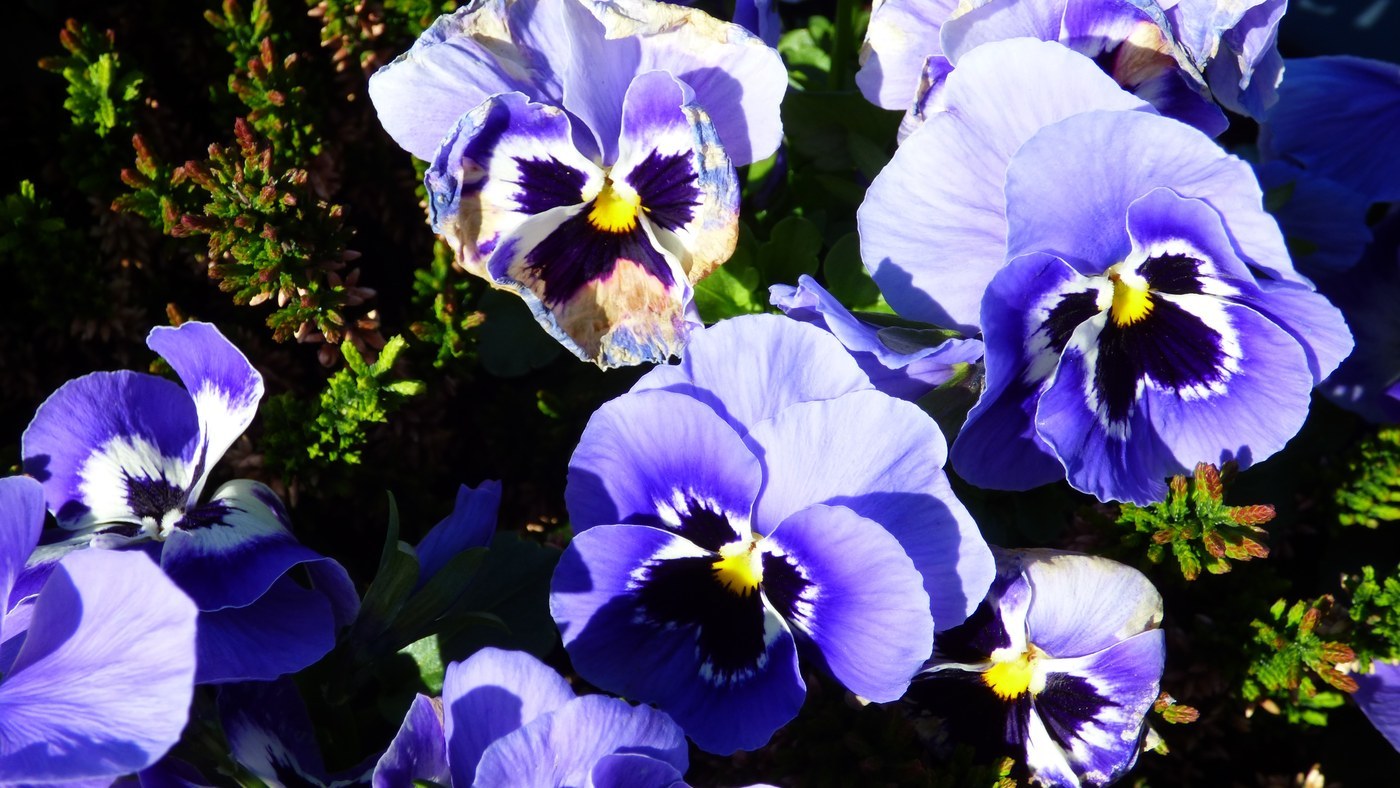
Pansies (Viola × wittrockiana) are beloved cool-season bedding and container flowers prized for their broad, velvety, often "faced" blooms in nearly every color. They are easy to grow and thrive in the chilly shoulder seasons of spring and fall.
Light
Pansies flower best in full sun to partial shade. In cool climates and early spring, give them as much sun as possible for the heaviest bloom and most compact growth. Where afternoons turn hot, site them in morning sun with light afternoon shade to keep them from stalling and stretching. Too much shade produces leggy plants and fewer flowers.
Water
Keep the soil evenly moist but never waterlogged. Pansies have shallow roots that dry out quickly, especially in containers, so check the top inch of soil often and water when it begins to feel dry. Aim to water at the base in the morning so foliage dries by evening, which reduces the chance of fungal issues. Avoid letting plants wilt repeatedly, as drought stress shortens their bloom life.
Soil & Potting
Plant in a rich, well-drained soil high in organic matter with a slightly acidic to neutral pH. Amend garden beds with compost before planting. For containers, use a quality peat- or coir-based potting mix that holds moisture yet drains freely, and make sure every pot has drainage holes. Space plants about 6 to 10 inches apart so air can circulate.
Humidity & Temperature
Pansies are true cool-season plants. They perform best when daytime temperatures sit in the 40s to 60s F and can shrug off light frost; many even bloom under snow in mild-winter regions. Sustained heat above the mid-70s F causes them to fade, stretch, and stop flowering. Ordinary outdoor humidity is fine; good airflow matters more than humidity level.
Feeding
Because they bloom heavily, pansies are hungry plants. Work a slow-release fertilizer into the bed at planting, then supplement with a balanced or bloom-boosting liquid feed every two to three weeks during active growth. In cold weather look for a formula that supplies nitrogen in nitrate form, since plants take it up better when soil is cold. Avoid overfeeding with high nitrogen, which favors floppy leaves over flowers.
Propagation
Pansies are most often grown from seed. Sow indoors in a cool spot roughly 8 to 12 weeks before your target transplant date; seeds germinate best in darkness and cool soil around 60 to 65 F, so cover them lightly. Transplant hardened seedlings out while weather is still cool. You can also take softwood cuttings of favorite plants, though seed and nursery starts are the usual routes.
Repotting / Pruning
Pansies are typically treated as short-lived seasonal plants, so repotting is rarely needed within a single season. The key maintenance task is deadheading: pinch off spent blooms regularly to prevent seed set and drive continuous flowering. If plants grow leggy mid-season, shear them back by about a third to encourage fresh, bushy growth and a new flush of blooms.
Common Problems & Pests
Aphids can cluster on tender new growth; dislodge them with a water spray or treat with insecticidal soap. Slugs and snails chew ragged holes in leaves and petals in damp weather. Overly wet, poorly drained soil invites root rot, crown rot, and gray mold (botrytis), while stressed plants may show powdery mildew or leaf spot. Prevent most issues with good spacing, morning watering, and prompt removal of dead foliage.
Seasonal Care Tips
Set out pansies in early spring and again in fall for the two windows they love; in mild-winter areas fall plantings can bloom right through winter. As summer heat arrives, expect performance to decline—either shear and feed to nurse them along or replace them with heat-tolerant annuals. Refresh mulch to keep roots cool and moisture steady, and resume regular feeding and deadheading when cool weather returns.
Frequently asked questions
Why has my pansy stopped blooming and gotten leggy?
This almost always signals heat stress or too much shade. Pansies are cool-season plants that stretch and stall once temperatures climb into the mid-70s F. Move containers to a brighter, cooler spot, shear the plant back by a third, and feed to encourage a fresh flush; in high summer they may simply need replacing.
How often should I deadhead pansies?
Deadhead every few days during peak bloom. Removing spent flowers before they set seed keeps the plant channeling energy into new buds, extending the flowering season dramatically. Pinch or snip the faded bloom along with its stalk down to the next set of leaves.
Can pansies survive frost?
Yes. Pansies are remarkably cold-hardy and tolerate light frosts, and in mild-winter regions established plants often keep blooming through winter. A layer of mulch helps protect the shallow roots during cold snaps, and plants usually perk back up once temperatures rise.
Why are the leaves turning yellow?
Yellowing leaves usually point to overwatering and poor drainage, or to nutrient depletion in heavy-blooming plants. Make sure containers drain freely, let the top inch of soil dry between waterings, and apply a balanced liquid feed every couple of weeks during active growth.