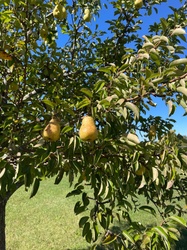
How to Care for Pear Tree
Grow a healthy European pear tree (Pyrus communis) with full sun, deep regular watering, well-drained soil and yearly pruning.
Read the full Pear Tree encyclopedia entry →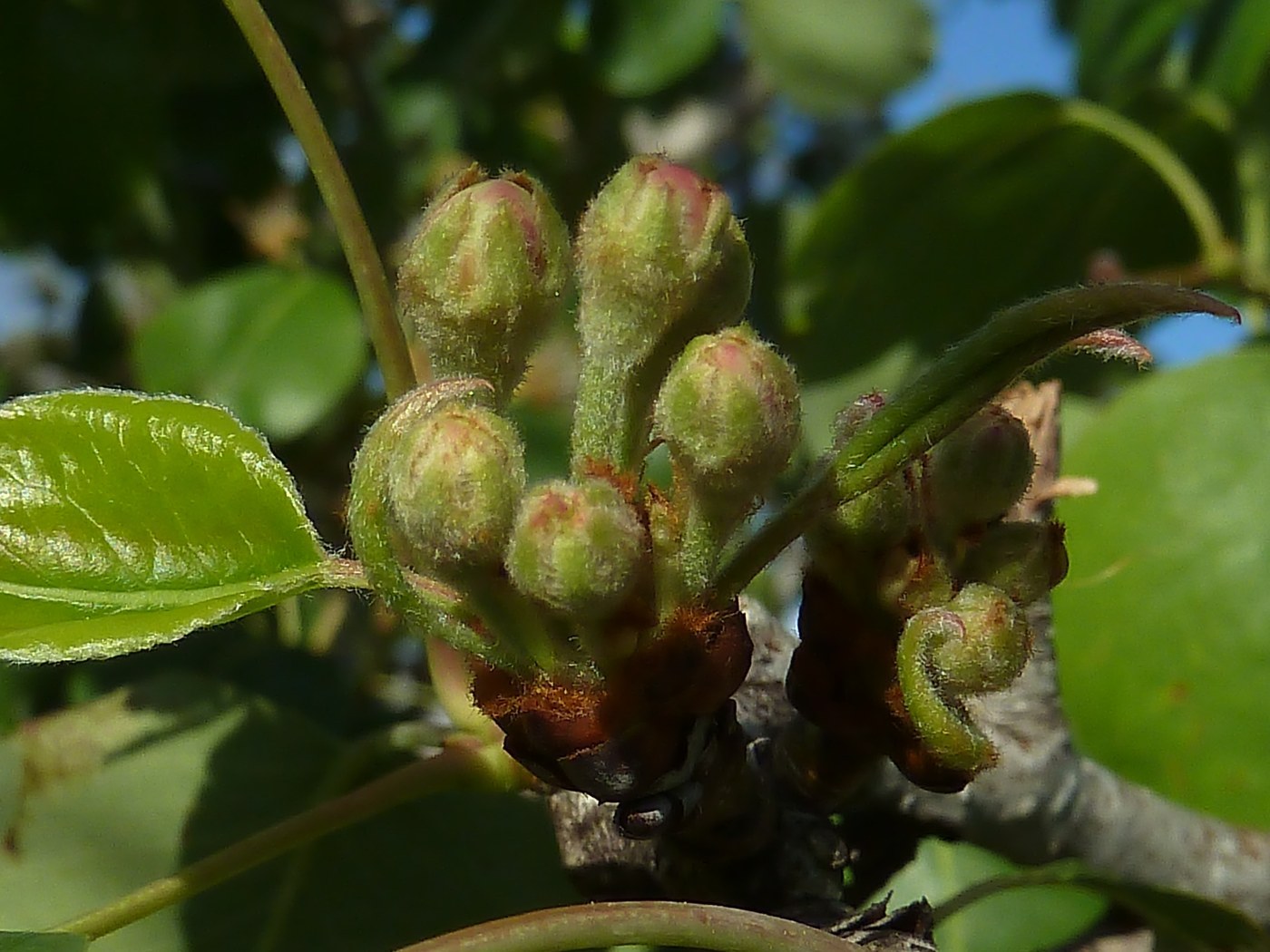
The European pear, Pyrus communis, is a long-lived deciduous fruit tree grown for its handsome spring blossom, upright form and glossy foliage. It is a moderately demanding tree that rewards a sunny site, deep watering and consistent annual pruning with decades of ornamental interest.
Light
Plant pear trees in full sun, ideally six or more hours of direct light daily. Full sun drives strong growth, abundant spring flowering and good branch structure. Trees in too much shade grow sparse, weak and bloom poorly. Choose an open site with room for the canopy to develop and good air movement around the branches.
Water
Give regular, deep watering, especially for young and newly planted trees, soaking the root zone thoroughly rather than sprinkling the surface. Deep watering encourages roots to grow down and makes the tree more resilient. Established trees need supplemental water during dry spells and hot summers. Maintain even moisture without waterlogging, and reduce watering as the tree goes dormant in autumn.
Soil & Potting
Pears prefer deep, fertile, well-drained loam but tolerate a range of soils, including heavier ground, better than many fruit trees. Avoid sites that stay waterlogged. Slightly acidic to neutral soil is ideal. Improve poor soil with organic matter at planting and apply a loose organic mulch over the root zone, keeping it clear of the trunk, to conserve moisture and moderate soil temperature.
Humidity & Temperature
As a temperate deciduous tree, the pear needs a period of winter cold to break dormancy and flower well, and it is hardy through cold winters. Late spring frosts can damage the early blossom, so a sheltered site helps in frost-prone areas. The tree tolerates normal outdoor humidity, though damp, still conditions increase disease pressure, making airflow important.
Feeding
Feed in early spring as growth resumes with a balanced fertilizer suited to fruit trees. Avoid excess nitrogen, which pushes soft, leafy growth that is prone to disease and produces fewer flowers. A yearly top-dressing of compost around the root zone supports steady health. Young trees benefit from modest, consistent feeding; mature trees need less once well established.
Propagation
Pear trees are almost always propagated by grafting or budding a desired variety onto a compatible rootstock, which controls tree size and ensures the variety comes true. Rootstock choice determines whether you get a dwarf, semi-dwarf or standard tree. Seed-grown pears are unpredictable and slow, so grafting onto quince or pear rootstock is the standard method for reliable, named trees.
Repotting / Pruning
Prune annually in late winter while the tree is dormant to build a strong framework, remove crossing, dead or diseased wood, and open the canopy to light and air. Pears naturally grow upright, so train young trees to well-spaced scaffold branches. Light summer pruning can tidy vigorous shoots. Container-grown dwarf pears should be repotted every couple of years into fresh, well-drained mix.
Common Problems & Pests
The most serious concern is fire blight, a bacterial disease that blackens shoots and blossoms; prune out affected wood well below the damage and avoid heavy nitrogen. Pear scab causes dark blotches on leaves and fruit, while codling moth, pear psylla, aphids and mites can also appear. Good sanitation, cleaning up fallen leaves, annual pruning for airflow, and prompt removal of diseased wood keep most problems in check.
Seasonal Care Tips
Plant bare-root trees in dormancy. In late winter, carry out the main pruning and apply dormant care. In spring, feed lightly, watch for frost on the blossom and monitor for early pests. Through summer, water deeply during dry spells and remove any diseased shoots promptly. In autumn, clear fallen leaves to reduce disease carryover and ease back on watering as the tree enters dormancy.
Frequently asked questions
How much sun does a pear tree need?
Full sun, at least six hours of direct light a day. Ample sun produces strong growth, generous spring blossom and good branch structure, while shade leads to sparse, weak trees that flower poorly.
How often should I water a pear tree?
Water deeply and regularly, especially for young trees, soaking the whole root zone rather than the surface. Established trees still need extra water during dry spells and hot summers. Avoid waterlogged soil.
When should I prune my pear tree?
Do the main pruning in late winter while the tree is dormant. Remove dead, diseased and crossing wood, and open the canopy to light and air. Light summer pruning can tidy overly vigorous shoots.
What is fire blight and how do I handle it?
Fire blight is a bacterial disease that blackens shoots and blossoms as if scorched. Prune affected wood well below the visible damage, keep tools clean, and avoid heavy nitrogen feeding that encourages susceptible soft growth.
Can I grow a pear tree from seed?
You can, but seedlings are slow and unpredictable and rarely match the parent. Named pear trees are propagated by grafting onto a chosen rootstock, which controls tree size and guarantees the variety.
Pear Tree identified by the community
Recent Pear Tree specimens identified with Plant Identifier.