
How to Care for Peperomia Raindrop
Care for Peperomia polybotrya, the Raindrop Peperomia, with bright indirect light, airy soil, and moderate watering.
Read the full Peperomia Raindrop encyclopedia entry →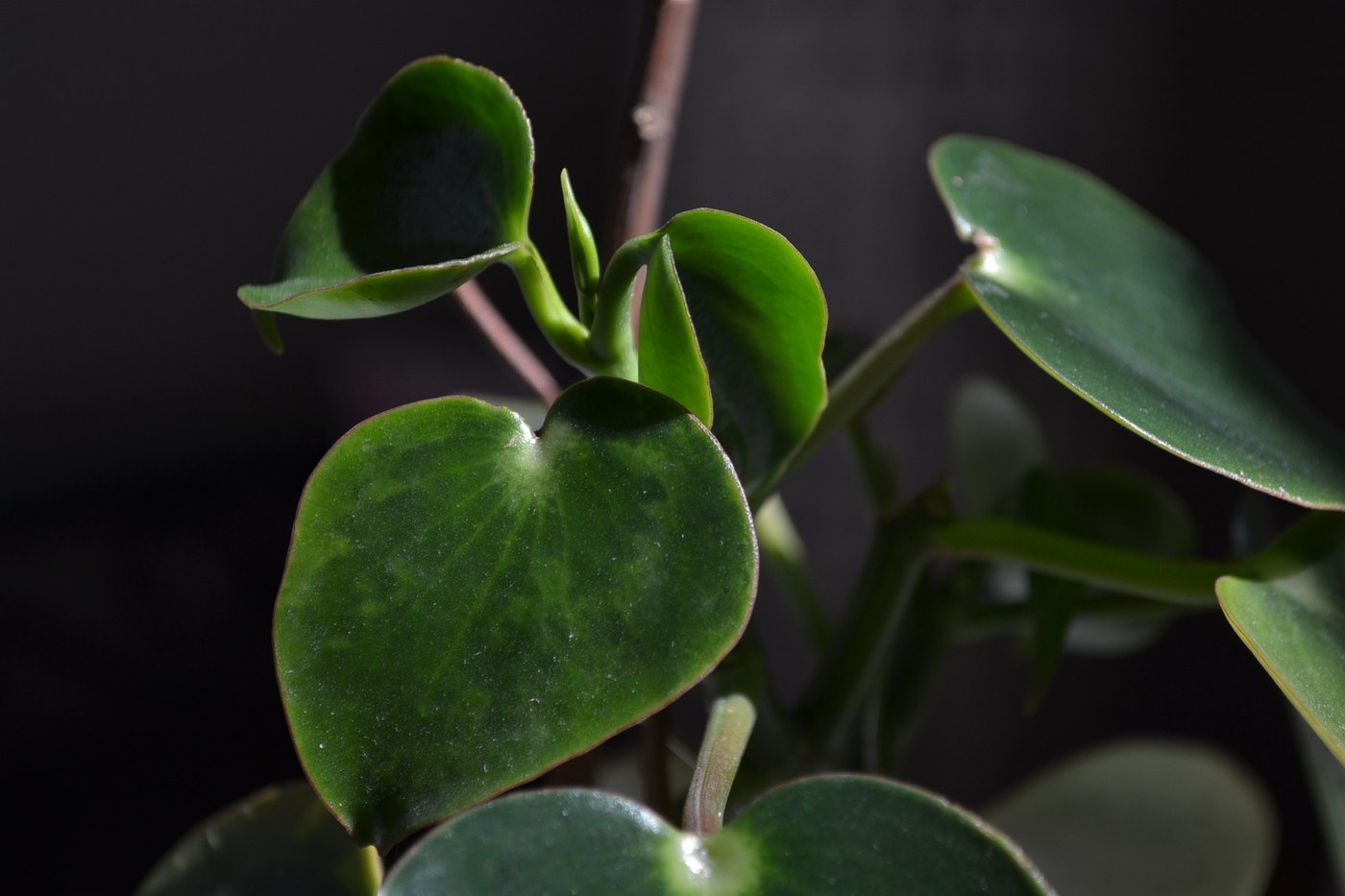
Peperomia Raindrop (Peperomia polybotrya) is an easygoing, compact houseplant loved for its glossy, teardrop-shaped leaves on upright stems. Its semi-succulent foliage makes it forgiving of occasional neglect.
Light
Provide bright indirect light for the fullest, most upright growth and the deepest green leaves. An east-facing window or a spot a few feet back from a brighter window is ideal. It tolerates medium light but grows leggier and slower there. Keep it out of harsh, prolonged direct sun, which can bleach or scorch the thick leaves.
Water
Let the top inch or two of soil dry between waterings, then water thoroughly and let the excess drain. The plant stores moisture in its leaves and stems, so it is more sensitive to overwatering than to short dry spells. Drooping, soft stems often signal soggy roots, while slightly curled leaves suggest it is thirsty. Water less in the darker months.
Soil & Potting
Use a light, airy, well-draining mix; a peat- or coir-based houseplant blend with added perlite and a little orchid bark works well. The roots are fine and shallow, so avoid dense, water-retentive soil. Always use a pot with drainage, and choose a snug container since this peperomia prefers to be slightly rootbound.
Humidity & Temperature
Average household humidity suits it fine, though it appreciates moderate humidity. Keep it in comfortable warm room temperatures and away from cold drafts, heating vents, and windows that get very cold in winter. It has no need for high-humidity setups.
Feeding
Feed monthly during spring and summer with a balanced houseplant fertilizer diluted to half strength. This is a light feeder, so err on the side of less. Stop feeding in fall and winter when growth slows.
Propagation
Propagate easily from leaf or stem cuttings. Take a healthy leaf with a bit of petiole, or a short stem cutting, and root it in moist soil or water. Leaf cuttings will eventually push out small plantlets at the base. Warmth and bright indirect light speed rooting.
Repotting / Pruning
Repot only every two to three years or when clearly rootbound, moving up just one pot size. Spring is the best time. Pinch or prune leggy stems to keep the plant bushy and compact, and remove any yellowing lower leaves.
Common Problems & Pests
Overwatering is the main risk, leading to limp stems and root rot. Yellowing leaves usually mean the soil stays too wet. Occasional pests include mealybugs, fungus gnats (a sign of overly damp soil), and spider mites in dry conditions; treat with insecticidal soap and correct watering habits.
Seasonal Care Tips
Growth is most active in spring and summer, when regular watering and feeding pay off. In fall and winter cut back on water and pause fertilizing, keeping the plant in the brightest indirect light available as days shorten.
Frequently asked questions
Why are the leaves on my Peperomia Raindrop turning yellow?
Yellowing leaves most often mean the soil is staying too wet. Let the top inch or two dry between waterings and make sure the pot drains freely.
Is Peperomia Raindrop easy to grow?
Yes, it is one of the more forgiving houseplants. Give it bright indirect light, water when the topsoil dries, and it will thrive with minimal fuss.
How do I propagate Peperomia Raindrop?
Take a leaf with a bit of stalk or a short stem cutting and root it in moist soil or water in bright indirect light. New plantlets form at the base of leaf cuttings over a few weeks.
Why is my Peperomia Raindrop drooping?
Drooping usually points to overwatering and soggy roots, though a very dry, thirsty plant can also wilt. Check the soil moisture and adjust; if it is wet, let it dry out well before watering again.