
How to Care for Peperomia
Care guide to Peperomia: an easy, compact houseplant that thrives in bright indirect light with sparing watering.
Read the full Peperomia encyclopedia entry →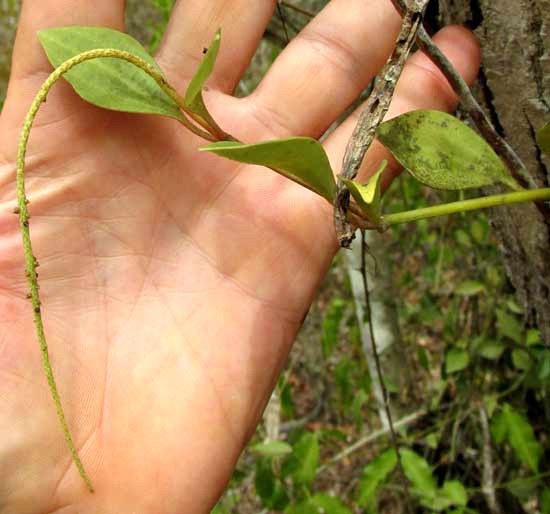
Peperomia is a large genus of compact, slow-growing tropical houseplants prized for their thick, often succulent leaves in an endless variety of shapes, colors, and textures. Their forgiving nature and small size make them ideal easy-care companions for windowsills, desks, and shelves.
Light
Peperomias grow best in bright, indirect light, which keeps their compact form and preserves the vivid colors and variegation many varieties display. Avoid harsh direct midday sun, which can scorch the fleshy leaves, but do not push them into deep shade where growth becomes leggy and variegation fades. An east-facing window or a spot a few feet back from a brighter window is ideal, and they adapt well to bright fluorescent or grow lighting.
Water
Water when the top inch of soil has dried, then water thoroughly and let excess drain away. Peperomias store moisture in their thick leaves and stems, so they tolerate a little neglect far better than overwatering. Soggy soil is the single most common cause of failure, leading to stem and root rot. Let the mix approach dryness between drinks, and water less frequently in winter. Their semi-succulent nature means underwatering causes only slight leaf wilting that quickly rebounds after a drink.
Soil & Potting
Use a light, airy, fast-draining mix; a peat- or coir-based houseplant mix amended with perlite, orchid bark, or coarse sand works well, mimicking the loose organic debris these epiphytic and semi-epiphytic plants root in naturally. Always plant in a container with drainage holes. Peperomias have small, fine root systems and prefer to be slightly snug in their pots, so avoid oversized containers that hold excess wet soil.
Humidity & Temperature
Average room temperatures of 65-75F (18-24C) suit peperomias well; keep them above about 50F (10C) and away from cold drafts and heat vents. They appreciate moderate to higher humidity and reward it with plumper foliage, but their succulent leaves let them tolerate ordinary indoor humidity better than many tropicals. A pebble tray or occasional misting benefits thinner-leaved types.
Feeding
Feed lightly with a balanced houseplant fertilizer diluted to half strength once a month during the spring and summer growing season. Peperomias are light feeders, and over-fertilizing can cause leaf spotting or salt buildup. Stop or greatly reduce feeding in fall and winter when growth slows.
Propagation
Peperomias root easily from stem or leaf cuttings, making them fun to multiply. Take a healthy leaf with a bit of petiole, or a short stem cutting, and set it in moist potting mix or water until roots and new plantlets form. Leaf cuttings of some varieties can be cut in half and inserted cut-edge down. Warmth and bright indirect light speed rooting; a covered tray to hold humidity helps.
Repotting / Pruning
Repot only every two to three years, or when roots fill the pot, moving up just one pot size since these plants like being snug. Spring is the best time. Pinch back leggy stems to encourage bushier, more compact growth, and remove any yellowing or damaged leaves. Occasional pinching keeps trailing and upright types full and tidy.
Common Problems & Pests
Overwatering is the dominant problem, showing up as wilting, mushy stems, and root rot; correct by letting the soil dry and improving drainage. Dropped or scabby leaves can signal erratic watering. Watch for mealybugs tucked in leaf axils, spider mites in dry air, and fungus gnats in constantly damp soil. Treat pests by wiping with a damp cloth or an insecticidal soap and by letting the soil dry between waterings.
Seasonal Care Tips
During spring and summer, water as the top inch dries, feed monthly at half strength, and enjoy active growth. In fall and winter, cut back sharply on water and stop feeding as the plant rests, and keep it away from cold windowpanes and drying heat sources. Rotate the pot occasionally so growth stays even toward the light.
Frequently asked questions
How often should I water my peperomia?
Water only when the top inch of soil has dried out, roughly every 1-2 weeks depending on conditions, and less in winter. Their succulent leaves store water, so err on the drier side to avoid root rot.
Why are my peperomia's leaves wilting or turning mushy?
Soft, wilting, or mushy stems and leaves almost always mean overwatering and the onset of rot. Let the soil dry out, ensure the pot drains freely, and water more sparingly.
Can I propagate peperomia from a single leaf?
Yes. Many peperomias root from a leaf with a bit of petiole set in moist mix or water. Keep it warm and in bright indirect light and small plantlets will eventually sprout at the base.
Does peperomia need a lot of light?
It thrives in bright indirect light, which keeps it compact and colorful. Avoid harsh direct sun, which scorches the leaves, and deep shade, which causes leggy growth and faded variegation.