How to Care for Philodendron Birkin
Care guide for Philodendron 'Birkin', an easy self-heading houseplant with striking creamy-white pinstriped leaves.
Read the full Philodendron Birkin encyclopedia entry →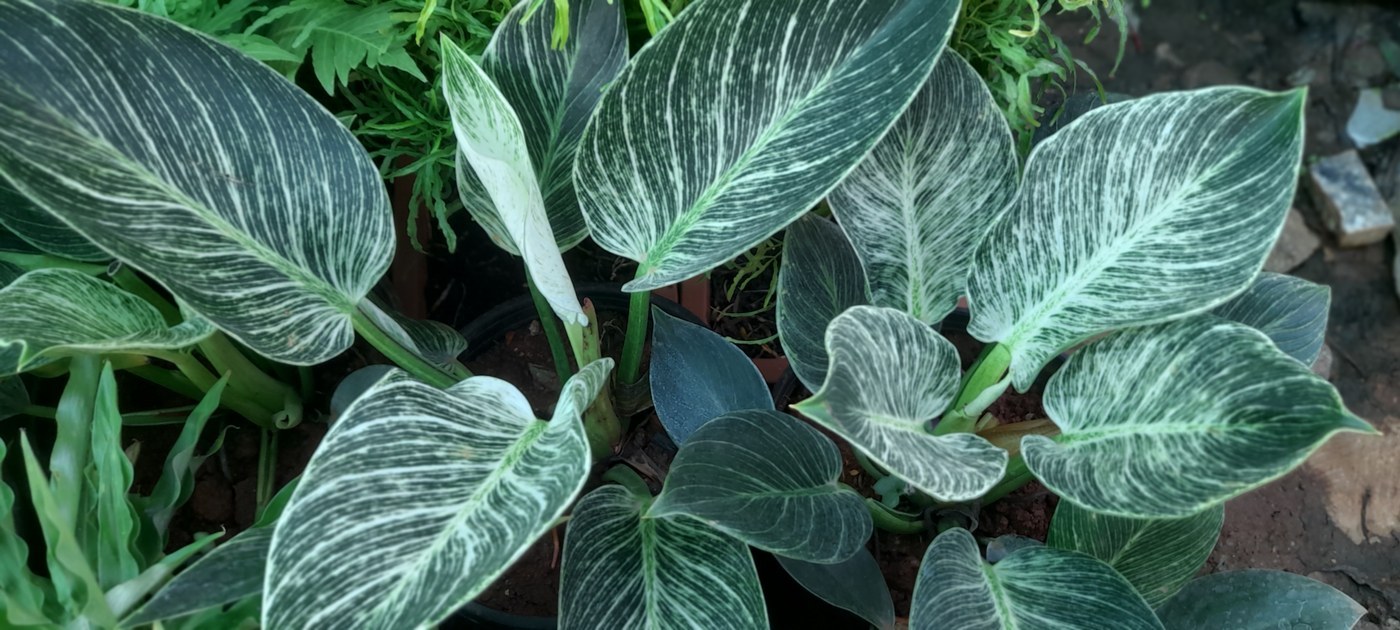
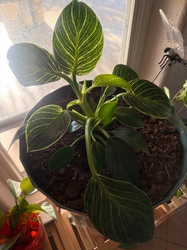
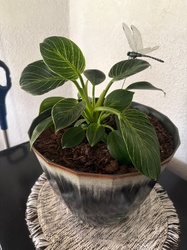
Philodendron 'Birkin' is a compact, self-heading hybrid prized for its dramatic dark green leaves streaked with fine creamy-white to yellow pinstripes. It is an easy, forgiving houseplant that stays neat and upright, making it ideal for shelves and desktops.
Light
Give Birkin bright indirect light to keep its variegation crisp and well defined. Too little light causes new leaves to emerge mostly green with faded striping, while harsh direct sun can scorch the pale variegated areas. A spot near an east window or a few feet from a brighter window is ideal.
Water
Water when the top 2-3 cm of soil feels dry, then water thoroughly and let excess drain. Birkin likes evenly moist but never soggy soil; overwatering leads to yellowing lower leaves and root rot, while extended dryness causes drooping and crispy edges. Reduce watering slightly in winter.
Soil & Potting
Use a light, airy, well-draining aroid mix — for example potting soil blended with perlite, orchid bark, and a little coco coir. This keeps roots oxygenated and prevents sogginess. Always plant in a container with drainage holes.
Humidity & Temperature
Birkin appreciates moderate to high humidity, ideally above 50%, which supports lush new growth, though it adapts to average household humidity. Keep it in warm temperatures of about 65-80F and away from cold drafts and heating or cooling vents. It is not frost-tolerant.
Feeding
Feed with a balanced liquid houseplant fertilizer at half strength every 3-4 weeks during spring and summer. Pause feeding in fall and winter when growth slows. Avoid overfeeding, which can burn roots and cause leaf-tip browning.
Propagation
Because Birkin is self-heading rather than vining, propagation is easiest by division when the plant produces basal offshoots or has multiple crowns — separate them with roots attached and pot up individually. Stem cuttings with a node can also be rooted in water or moist mix, though results are slower than with vining philodendrons.
Repotting / Pruning
Repot every one to two years in spring when roots fill the pot, moving up just one size. Little pruning is needed beyond removing old, yellowing, or damaged leaves at the base. Occasionally a leaf or two reverts to solid green or solid cream; trim these if you want to maintain the striped look.
Common Problems & Pests
Yellowing lower leaves usually signal overwatering, while brown crispy edges point to low humidity or underwatering. Loss of variegation indicates insufficient light. Watch for common houseplant pests such as spider mites, mealybugs, and aphids, and wipe leaves periodically to keep them clean and pest-free.
Seasonal Care Tips
In spring and summer, feed and repot during active growth and enjoy new pinstriped leaves unfurling regularly. In fall and winter, cut back on water and feeding, keep the plant warm and away from cold windows, and maintain humidity as indoor heating dries the air.
Frequently asked questions
Why are my Birkin's new leaves losing their stripes?
Fading variegation is almost always a sign of too little light. Move it to a brighter spot with plenty of indirect light so new leaves emerge with crisp white pinstripes.
How often should I water Philodendron Birkin?
Water when the top 2-3 cm of soil feels dry, soaking thoroughly and letting the excess drain. Keep the soil evenly moist but never soggy, and water a bit less in winter.
Why are the leaf edges turning brown and crispy?
Crispy edges typically mean low humidity or the soil drying out too much. Raise humidity with a pebble tray or humidifier and keep watering more consistent.
Can I propagate a Birkin?
Yes. Because it grows as a self-heading plant, the easiest method is dividing basal offshoots or multiple crowns with roots attached. Node cuttings can also root, though more slowly.
Philodendron Birkin identified by the community
Recent Philodendron Birkin specimens identified with Plant Identifier.