
How to Care for Philodendron Gloriosum
Grow Philodendron gloriosum for its velvety, silver-veined heart-shaped leaves - a crawling tropical prized as a houseplant.
Read the full Philodendron Gloriosum encyclopedia entry →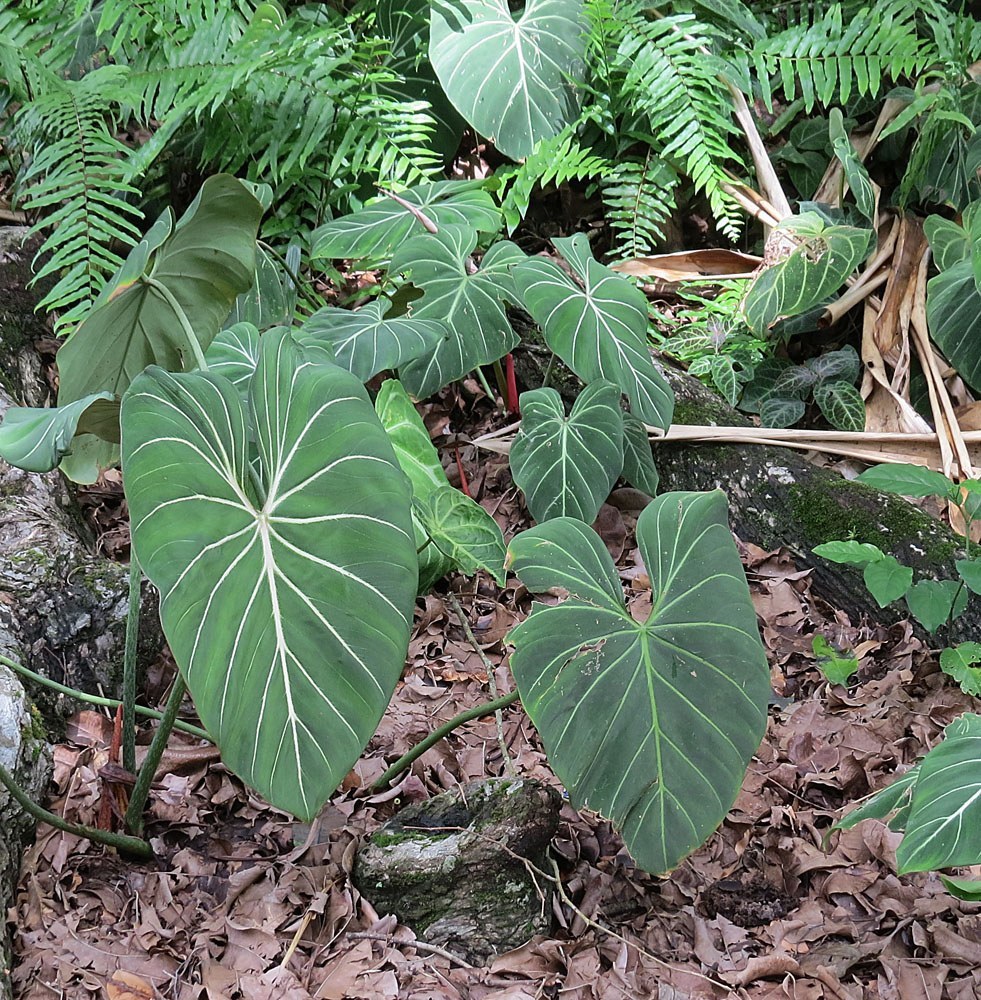
Philodendron gloriosum is a stunning crawling (rather than climbing) tropical aroid famous for its large, velvety, heart-shaped leaves veined in bright silvery white. It grows along the soil surface from a thick creeping rhizome, making it a coveted, moderately demanding houseplant that rewards attentive care with dramatic foliage.
Light
Provide bright, indirect light. A spot near an east window, or set back from a brighter south or west window, is ideal. Direct midday sun scorches the velvety leaves, while deep shade slows growth and shrinks new foliage. Sheer-filtered light or a grow light keeps leaves large and well-colored.
Water
Water when the top few centimeters of mix have dried, then water thoroughly until it drains freely. Gloriosum likes consistent moisture but is prone to rot in soggy conditions - never let it sit wet. Allow slightly more drying in low light or cool weather, and keep it more consistently moist during active summer growth.
Soil & Potting
Use a chunky, airy, fast-draining aroid mix - for example, potting soil blended with orchid bark, perlite, and coco coir or a little sphagnum. Because it crawls, plant it in a wide, shallow pot or long planter that gives the rhizome room to travel forward, keeping the rhizome resting on the surface rather than buried.
Humidity & Temperature
Being tropical, it thrives in warm temperatures and high humidity, ideally 60 percent or more. Keep it warm year-round and away from cold drafts, air conditioning, and sudden chills. Boost humidity with a pebble tray, grouping, or humidifier; dry air causes crisp leaf edges and smaller leaves.
Feeding
Feed with a balanced, diluted liquid fertilizer roughly monthly during spring and summer, or use a gentle slow-release aroid feed. Ease off in fall and winter. Avoid over-feeding, which can burn roots and leaf edges - flush the pot occasionally to prevent salt buildup.
Propagation
Propagate by rhizome division: cut the creeping rhizome so each section has at least one growth node and ideally a leaf and roots, let the cut callus briefly, then pot up in moist aroid mix and keep warm and humid until established.
Repotting / Pruning
Repot when the rhizome reaches the front edge of its pot, moving to a wider (not deeper) container in spring. Prune only to remove old, yellowing, or damaged leaves. When repotting, keep the rhizome near the surface and orient the growing tip toward open space.
Common Problems & Pests
Yellowing lower leaves often mean overwatering; crispy brown edges point to low humidity or salt buildup. Watch for spider mites, mealybugs, thrips, and fungal spots. Wipe leaves, isolate new plants, and treat pests with insecticidal soap. The biggest risk is rhizome or root rot from soggy, dense soil - keep the mix airy.
Seasonal Care Tips
In spring and summer, growth accelerates - water more attentively, feed monthly, and repot or divide as needed. In fall and winter, growth slows, so water less often and pause fertilizing. Maintain warmth and humidity year-round, and add supplemental light through dim winter months to keep new leaves large.
Frequently asked questions
Why does my Philodendron gloriosum grow along the soil instead of climbing?
That is normal - gloriosum is a crawler that grows from a horizontal rhizome across the surface. Give it a wide, shallow pot so the rhizome has room to travel forward.
Why are the new leaves small?
Small new leaves usually mean not enough light, low humidity, or insufficient feeding. Increase bright indirect light, raise humidity, and feed lightly during the growing season.
How do I propagate Philodendron gloriosum?
Divide the rhizome so each piece has a node and ideally a leaf and roots, let the cut callus, then pot in moist airy aroid mix and keep it warm and humid.
Why are the leaf edges turning crispy and brown?
Crispy edges typically indicate humidity that is too low or fertilizer salt buildup. Raise humidity above 60 percent and flush the soil periodically to clear excess salts.