
How to Care for Philodendron Micans
Grow Philodendron Micans for its velvety, heart-shaped leaves in shifting shades of bronze, green, and deep purple.
Read the full Philodendron Micans encyclopedia entry →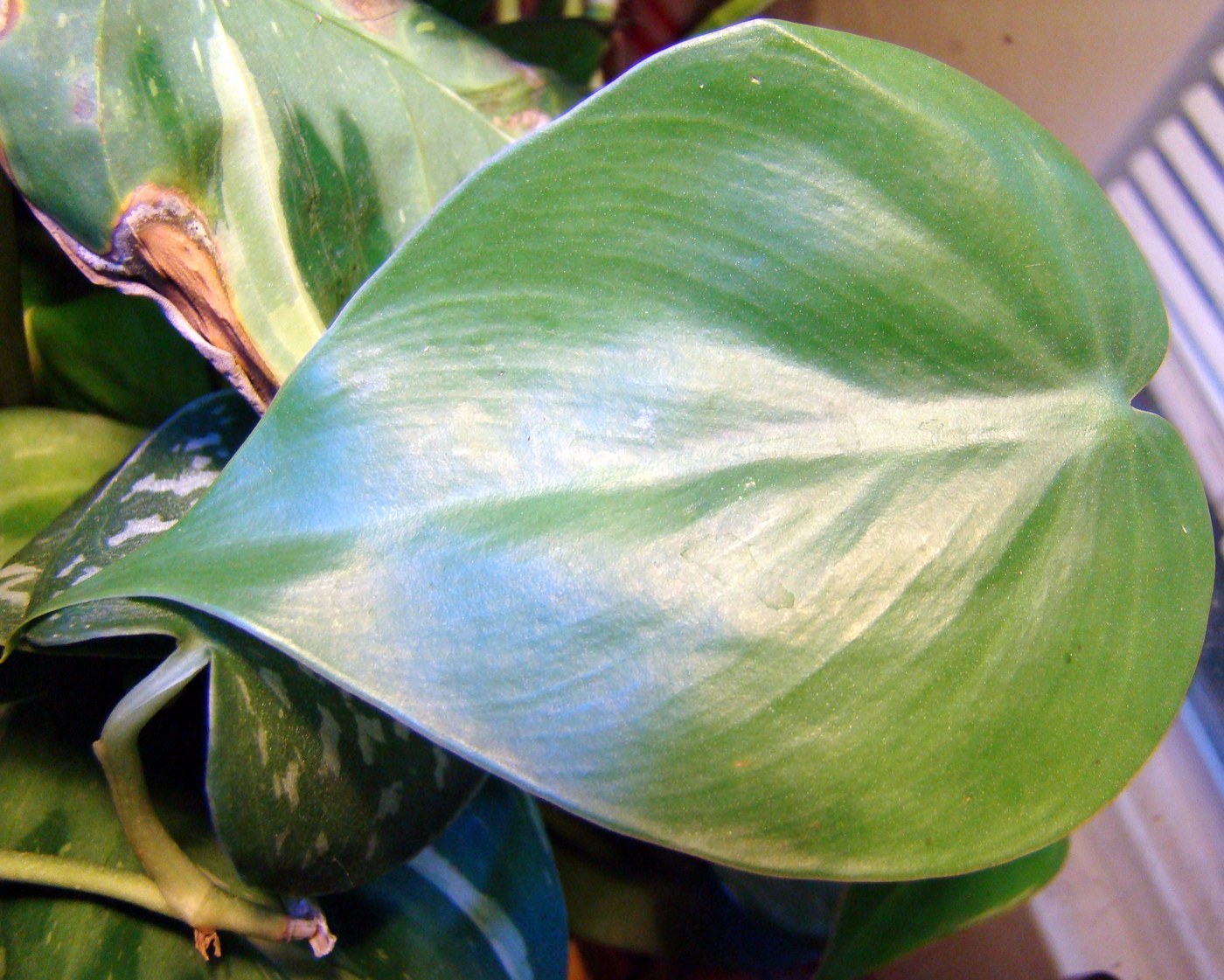
Philodendron Micans (Philodendron hederaceum var. hederaceum) is a beloved trailing houseplant admired for its soft, velvety heart-shaped leaves that shimmer in bronze, deep green, and purplish tones depending on the light. It is an easygoing vining aroid, perfect for hanging baskets, shelves, or trained up a support.
Light
Give it bright indirect light to bring out the richest velvety coloring and compact growth. It tolerates medium light but grows leggy with widely spaced leaves in dim spots. Avoid direct sun, which can fade and scorch the delicate matte foliage. An east or lightly filtered window is ideal.
Water
Water when the top inch of soil dries out, then moisten thoroughly and let excess drain. Micans likes lightly moist soil but is prone to root rot if left soggy. Let it dry slightly more between waterings in winter when growth slows.
Soil & Potting
Use a light, chunky, well-draining aroid mix; ordinary potting soil blended with perlite and orchid bark works well. A pot with drainage holes is essential. Its trailing stems look best in a hanging pot or spilling from a shelf, though it also climbs happily on a moss pole.
Humidity & Temperature
Micans enjoys moderate to high humidity, which keeps its velvety leaves plush, but it adapts to average household levels. Keep temperatures between 65-80 F (18-27 C) and protect it from cold drafts and sudden chills.
Feeding
Feed with a balanced, diluted liquid fertilizer roughly once a month during spring and summer. Reduce or stop feeding in fall and winter when growth naturally slows.
Propagation
Philodendron Micans is exceptionally easy to propagate from stem cuttings. Snip a section with a few leaves just below a node, and root it in water or directly in moist soil. Roots form within a couple of weeks in warm, bright conditions, and cuttings can be planted back into the parent pot for a fuller look.
Repotting / Pruning
Repot every year or two when roots fill the container, moving up one size. Prune leggy vines to encourage bushier growth; cut just above a node, and use the trimmings as cuttings. Regular light pruning keeps the plant lush rather than sparse and straggly.
Common Problems & Pests
Yellowing leaves usually indicate overwatering, while crispy brown edges suggest low humidity or underwatering. Leggy, sparse growth means it needs more light. Watch for common houseplant pests such as spider mites, mealybugs, and aphids; wipe the leaves gently and inspect new growth regularly.
Seasonal Care Tips
Growth is fastest in the warm, bright months of spring and summer, when regular feeding and watering pay off. In winter, ease back on water and fertilizer as the plant rests. If light drops in the darker months, move it closer to a window to maintain its color and prevent stretching.
Frequently asked questions
Why are the leaves on my Philodendron Micans losing their velvety look?
Faded or dull foliage often results from too much direct sun or low humidity. Move it to bright indirect light and raise humidity to keep the matte, velvety texture and rich color.
How do I make my Micans fuller and less leggy?
Give it brighter indirect light and prune leggy vines just above a node. Root the trimmings and plant them back into the same pot to create a lusher, bushier plant.
How do I propagate Philodendron Micans?
Take a stem cutting just below a node with a few leaves attached, then root it in water or moist soil. Roots typically develop within a couple of weeks in warm, bright conditions.
Why are my Micans leaves turning yellow?
Yellowing leaves most often signal overwatering. Let the top inch of soil dry before watering again, ensure the pot drains freely, and avoid leaving the roots sitting in soggy soil.