
How to Care for Philodendron Verrucosum
Grow the velvet-leaved Philodendron verrucosum with high humidity, warmth, bright indirect light and an airy, chunky aroid mix.
Read the full Philodendron Verrucosum encyclopedia entry →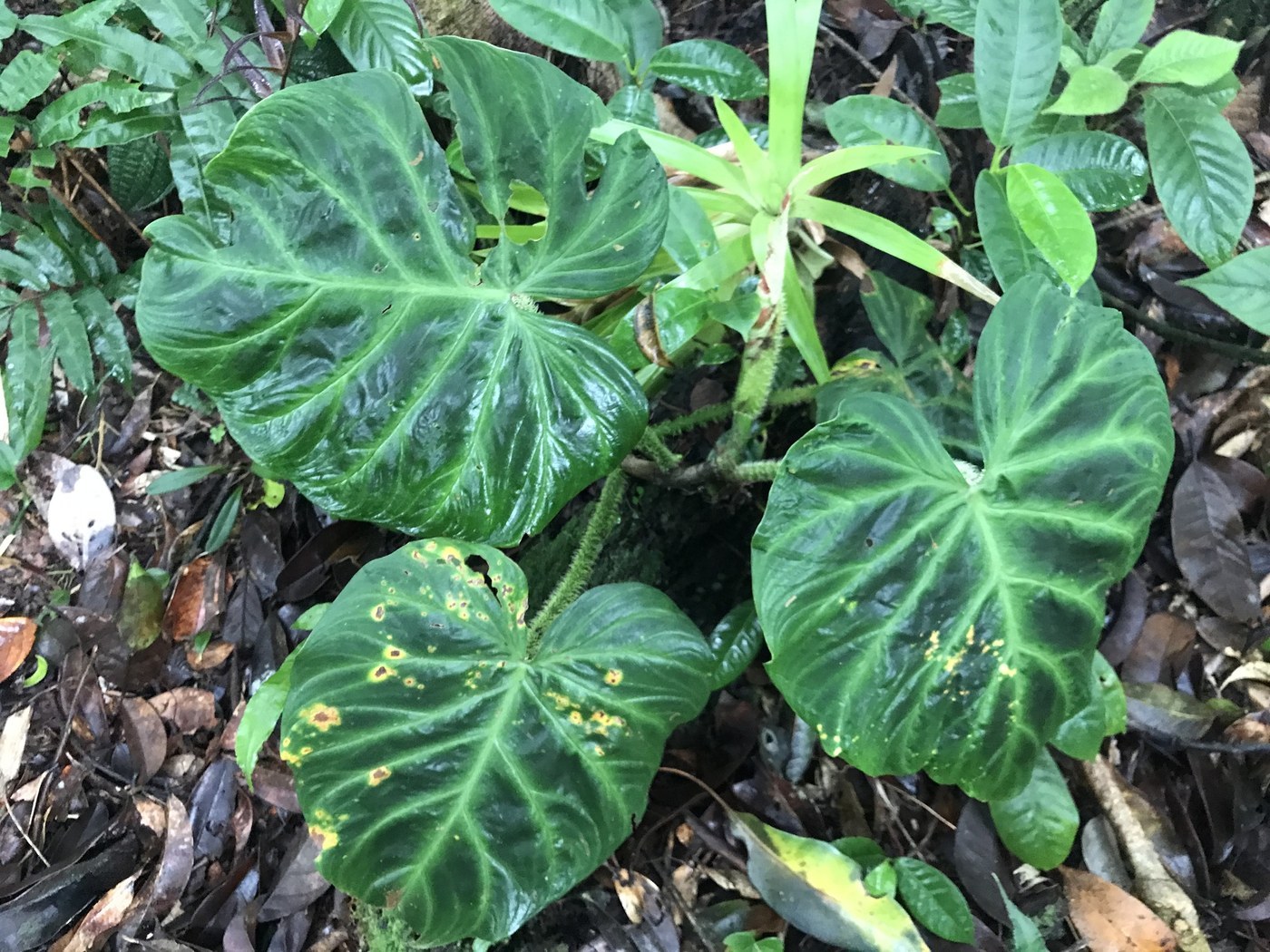
Philodendron verrucosum is a prized climbing aroid famous for its deep-green, iridescent velvet leaves veined in pale green and backed with wine-red undersides. It is a rewarding but demanding plant that rewards steady warmth, high humidity and careful watering, which is why it earns a Hard difficulty rating.
Light
Give bright, indirect light. An east-facing window or a spot a few feet back from a bright south or west window is ideal. Direct midday sun scorches the delicate velvet surface and fades the coloring, while too little light produces small, widely spaced leaves and weak petioles. Filtered light through a sheer curtain keeps the leaf pattern vivid and encourages large, well-shaped foliage.
Water
Water when the top inch of the mix has dried, then water thoroughly until it drains freely. This aroid resents both soggy roots and complete dry-out. In an airy mix it may need watering every 4-7 days in warm months and less in winter. Always empty the saucer so the pot never stands in water, and use tepid, low-mineral water where possible since the fine roots are sensitive.
Soil & Potting
Use a very chunky, fast-draining aroid mix rather than plain potting soil. A blend of orchid bark, perlite, coco coir or peat, and a little worm castings or horticultural charcoal gives the balance of moisture retention and air the roots demand. The mix should hold moisture briefly then drain quickly. Always plant in a container with drainage holes; many growers use plastic nursery pots inside a decorative cachepot for easy moisture management.
Humidity & Temperature
Humidity is the single most important factor. Aim for 60-80% relative humidity; below about 50% the velvet leaves brown at the edges and new growth may deform. A humidifier, grouping with other plants, or growing in a cabinet or terrarium all help. Keep temperatures warm and stable, roughly 65-80F (18-27C), and protect the plant from cold drafts, heating vents and sudden temperature swings, which it tolerates poorly.
Feeding
Feed during the active growing season, spring through early autumn, with a balanced dilute liquid fertilizer at half the labeled strength roughly every 3-4 weeks. This heavy-veined foliage plant appreciates steady but gentle feeding. Flush the pot with plain water every month or two to prevent salt buildup, and pause feeding in winter when growth slows.
Propagation
Propagate from stem cuttings that include at least one node, ideally with a small aerial root. Root cuttings in damp sphagnum moss, in a jar of water changed regularly, or in a humid propagation box. Bright indirect light and high humidity speed rooting, which typically takes several weeks. Because verrucosum can be temperamental, keep the parent plant healthy before taking cuttings and pot up rooted cuttings gently into the same airy mix.
Repotting / Pruning
Repot every 1-2 years or when roots crowd the pot, moving up only one pot size to avoid a large volume of wet mix around small roots. Spring is the best time. Provide a moss pole or plank for this natural climber; supported plants produce noticeably larger, more dramatic leaves. Prune only to remove damaged foliage or to take cuttings, using clean, sharp tools.
Common Problems & Pests
Browning or crisping leaf edges usually signal low humidity or mineral buildup. Yellowing lower leaves often mean overwatering, while sudden collapse can indicate root rot in soggy mix. Watch for spider mites in dry air and for thrips, mealybugs and scale, which hide along veins and stems; treat early by wiping foliage and using insecticidal soap or horticultural oil. Good airflow helps prevent fungal spotting on the humid leaves.
Seasonal Care Tips
In spring and summer, growth accelerates, so water and feed a little more and watch for pests as temperatures rise. In autumn and winter, reduce watering, stop fertilizing and guard against dry indoor heating and cold windowsills. Keeping humidity and warmth consistent year-round is the key to preventing the stress that leads to leaf damage in this species.
Frequently asked questions
Why are the edges of my verrucosum leaves turning brown?
Crispy brown edges almost always point to humidity that is too low or to mineral buildup in the mix. Raise humidity toward 60-80% with a humidifier or enclosure, water with low-mineral water, and flush the pot occasionally to clear salts.
What kind of soil does Philodendron verrucosum need?
Use a chunky, fast-draining aroid mix of orchid bark, perlite and coco coir or peat with a little charcoal or worm castings. It should hold brief moisture then drain quickly, and the pot must have drainage holes.
Does it need a moss pole?
Yes, this is a climbing aroid and it performs best with a moss pole or plank. Supported plants push out much larger, better-shaped velvet leaves than those left to trail.
How often should I water it?
Water when the top inch of mix dries, then water thoroughly and let it drain. In warm months that may be every 4-7 days; water less in winter, and never leave the pot standing in water.
Why is my verrucosum so hard to keep happy?
It demands high humidity, steady warmth and an airy mix all at once. Missing any one of these stresses the plant. A humidifier or cabinet, stable temperatures of 65-80F, and a fast-draining pot solve most problems.