
How to Care for Pigsqueak
Grow Bergenia cordifolia, the easy evergreen perennial nicknamed pigsqueak, with glossy leaves and spring pink blooms.
Read the full Pigsqueak encyclopedia entry →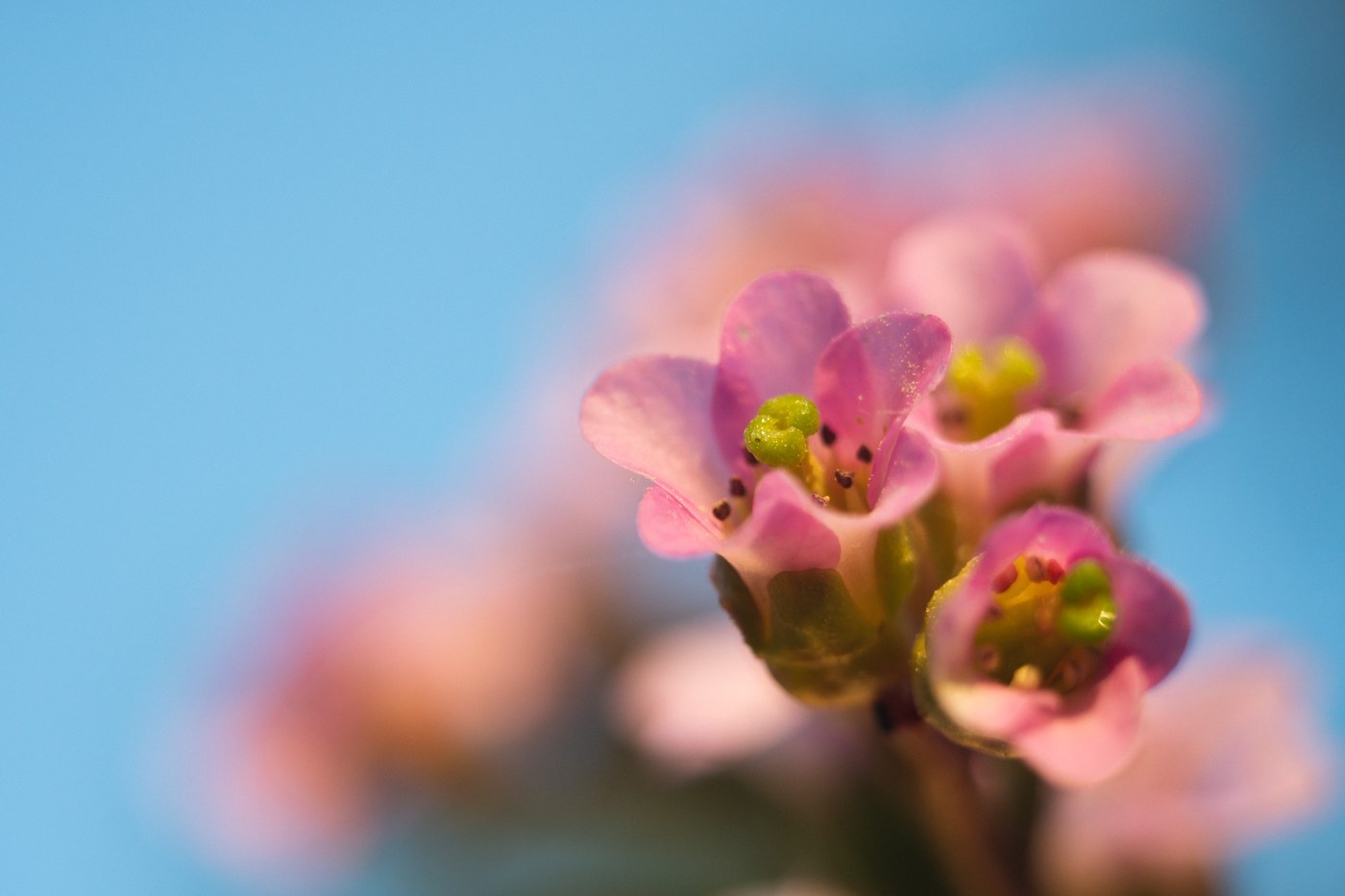
Pigsqueak (Bergenia cordifolia) earns its odd name from the squeaking sound made when a leaf is rubbed between wet fingers. It is a tough, low-growing evergreen perennial prized for its large, glossy, paddle-shaped leaves and clusters of pink blooms held above the foliage in spring.
Light
Pigsqueak is wonderfully adaptable, thriving anywhere from part shade to full sun. In cooler climates it happily takes more direct sun, which encourages heavier flowering and, in some settings, a rosy winter tint to the leaves. In hot regions give it afternoon shade to prevent leaf scorch and keep the foliage looking lush. Deep shade is tolerated but tends to reduce bloom count.
Water
Keep the soil evenly moist, especially during the first growing season while roots establish. Once settled, Bergenia is fairly forgiving of short dry spells thanks to its thick rhizomes, but consistent moderate moisture produces the best foliage and flowers. Water deeply during prolonged heat or drought, and avoid letting the crown sit in waterlogged soil, which can cause rot.
Soil & Potting
This perennial is not fussy about soil and grows in clay, loam, or sandy ground as long as drainage is reasonable. A humus-rich, moisture-retentive soil gives the best results. Work in compost at planting to improve structure. In containers, use a general-purpose potting mix with a little added grit for drainage; a wide pot suits its spreading, mat-forming habit.
Humidity & Temperature
Pigsqueak is exceptionally cold-hardy and shrugs off frost, remaining evergreen through much of winter in temperate zones. It performs best in cool to moderate conditions and can look tired in prolonged intense heat. Average outdoor humidity is fine; no special humidity measures are needed.
Feeding
Feeding needs are modest. A spring application of a balanced slow-release fertilizer or a top-dressing of compost supports strong leaf and flower production. Avoid heavy feeding, which pushes soft growth at the expense of the plant's characteristic sturdy leaves.
Propagation
The easiest method is division. Lift established clumps in spring or early autumn, separate sections of rhizome each bearing roots and a leaf rosette, and replant at the same depth. Rhizome cuttings taken in early spring also root readily. Division every few years keeps clumps vigorous and prevents the centers from going bare.
Repotting / Pruning
Container plants can be divided and repotted every two to three years when they outgrow their space. Pruning is minimal: remove spent flower stalks after blooming to tidy the plant, and pull or trim away any tattered, weather-damaged leaves in late winter to make way for fresh spring growth.
Common Problems & Pests
Bergenia is largely trouble-free. Slugs and snails may nibble young foliage, especially in damp shade; hand-pick or use barriers. Vine weevil grubs can damage roots in containers. Waterlogged soil may lead to crown or root rot, so ensure drainage. Ragged winter leaves are cosmetic and are simply trimmed away in spring.
Seasonal Care Tips
In spring, clean up winter-worn leaves, divide crowded clumps, and enjoy the pink flower display. Through summer, keep soil moist in heat and deadhead spent blooms. In autumn, top-dress with compost and plant or divide as needed. In winter the evergreen foliage often takes on bronze or reddish tones in cold, bright spots, adding welcome seasonal color.
Frequently asked questions
Why is it called pigsqueak?
Rubbing a leaf between wet fingers produces a squeaking sound, which gives Bergenia cordifolia its playful common name.
Does pigsqueak stay green all winter?
Yes, it is evergreen in most temperate climates, and in cold, bright spots the leaves often develop attractive bronze or reddish winter tints.
How much sun does pigsqueak need?
It grows in anything from part shade to full sun. More sun boosts flowering, but in hot regions give it afternoon shade to prevent leaf scorch.
How do I keep clumps looking full?
Divide the rhizomes every few years in spring or autumn. This rejuvenates growth and prevents the centers of old clumps from going bare.