
Pigsqueak Identification Guide
How to identify Pigsqueak (Bergenia) by its large, glossy, paddle-shaped evergreen leaves that squeak when rubbed and its early-spring clusters of pink flowers.
Read the full Pigsqueak encyclopedia entry →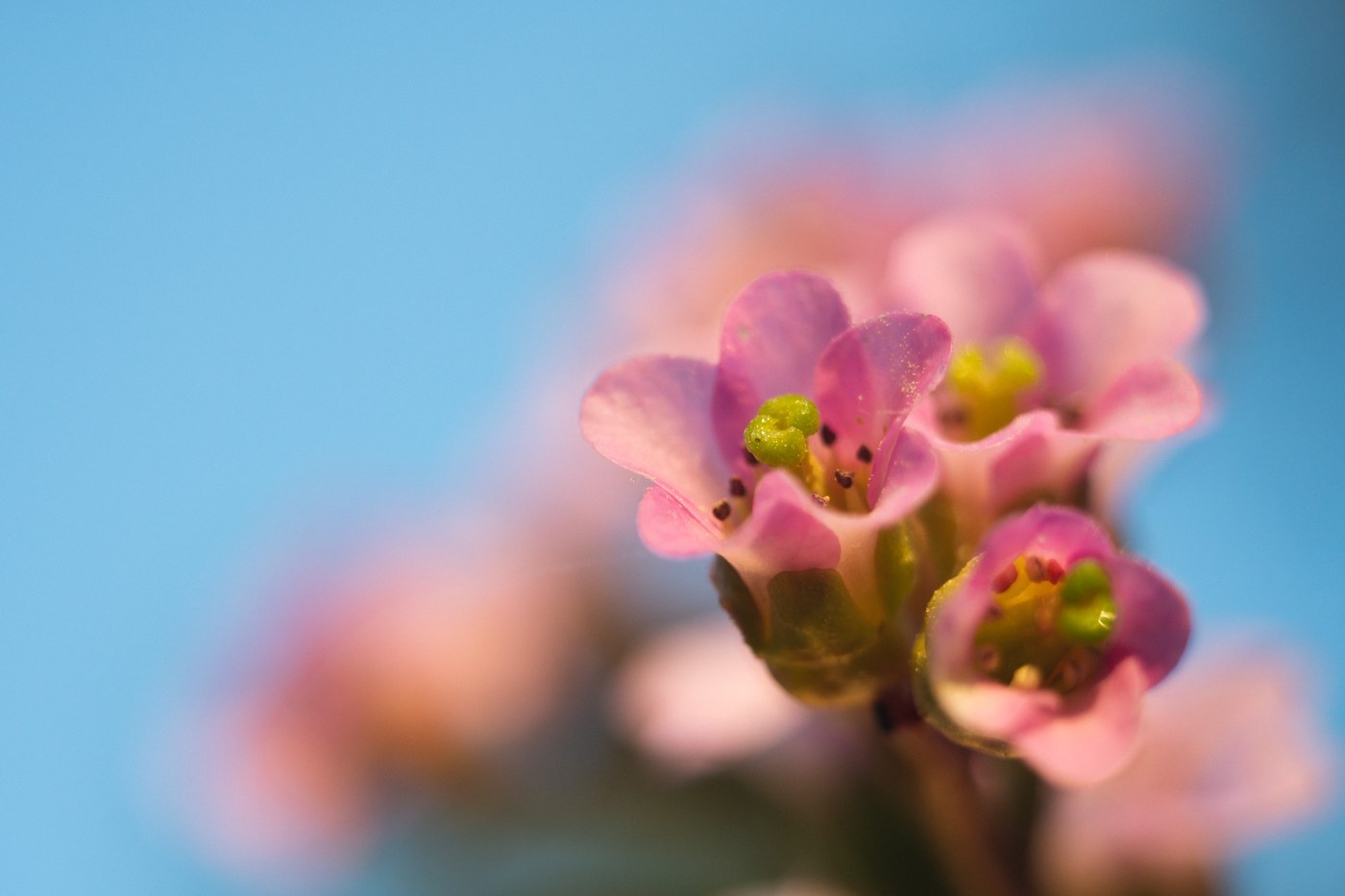
Key Identifying Features
Pigsqueak (Bergenia), also called elephant's ears, is a clump-forming evergreen perennial recognized by its large, glossy, rounded leathery leaves and early clusters of pink to magenta flowers. The quirky common name comes from the squeaking sound the leaves make when rubbed between finger and thumb.
- Big, glossy, paddle/round leathery leaves in a low clump
- Leaves squeak when rubbed (the name's origin)
- Pink to rose-magenta flower clusters on red stalks in early spring
- Foliage often turns bronze-red in winter
Leaves & Stems
The leaves are the standout feature: large (6-12 inches), broadly oval to round (paddle-shaped), thick and leathery, with a glossy surface and wavy or finely toothed edges. They grow in a low basal rosette from a stout surface rhizome and are evergreen, often flushing burgundy or bronze in cold weather. Rub a leaf and it makes a distinct squeak, a quick and reliable ID confirmation. There is no leafy upright stem; only the flower stalks rise above the rosette.
Flowers & Fruit
In late winter to early spring, thick, often red-tinged flower stalks rise above the foliage bearing rounded clusters of bell- to cup-shaped flowers in pink, rose, magenta, or white. Each flower has five petals and a small calyx; the clusters nod slightly. After bloom, small capsules form. The early bloom time, when little else is flowering, is itself a useful clue.
How to Tell It Apart from Look-Alikes
- Coral bells (Heuchera): also clump-forming with rosettes, but leaves are lobed and maple-like, smaller and not glossy-leathery, and flowers are tiny bells on airy wands, not chunky pink clusters.
- Hosta: similar big leaves, but hostas are soft, matte, and deciduous (dying back in winter) with ribbed veins, and never squeak.
- Lettuce or cabbage seedlings: superficially leafy, but lack the thick evergreen, glossy, squeaking leaf and rhizome.
The large glossy leathery evergreen leaf that squeaks, plus early pink flower clusters, makes Pigsqueak easy to confirm.
Where You'll Find It
Pigsqueak is a tough garden groundcover and edging plant for part shade to sun in average soil, tolerating poor conditions and drought once established. It's used at the front of borders, along paths, and in woodland gardens, where its bold evergreen leaves provide year-round structure. Look for the pink flowers as one of the earliest perennials of spring.
Quick ID Checklist
- Large, glossy, leathery, paddle-shaped evergreen leaves
- Leaves squeak when rubbed
- Low basal rosette from a surface rhizome
- Pink/magenta flower clusters on red stalks in early spring
- Foliage bronzes in winter
Big glossy leathery leaves that squeak when rubbed, with early pink flowers, mean you've found Pigsqueak.
Frequently asked questions
Why is it called pigsqueak?
When you rub one of the thick, glossy leaves between your finger and thumb, it makes a squeaking sound similar to a pig's squeal, which is the source of the common name.
How is pigsqueak different from a hosta?
Both have large leaves, but pigsqueak (Bergenia) has thick, glossy, leathery evergreen leaves that squeak and persist through winter, while hosta leaves are soft, matte, ribbed, and die back in fall.
When does pigsqueak bloom?
It is one of the earliest perennials to flower, producing pink to magenta clusters on red-tinged stalks in late winter to early spring.
Why do the leaves turn red in winter?
Cold weather triggers pigments in the evergreen leaves, often turning them bronze or burgundy-red in winter, which adds to its year-round garden interest.