How to Care for Plumbago
Grow Plumbago auriculata for months of sky-blue blooms on a fast, sun-loving shrub that shrugs off heat and drought once established.
Read the full Plumbago encyclopedia entry →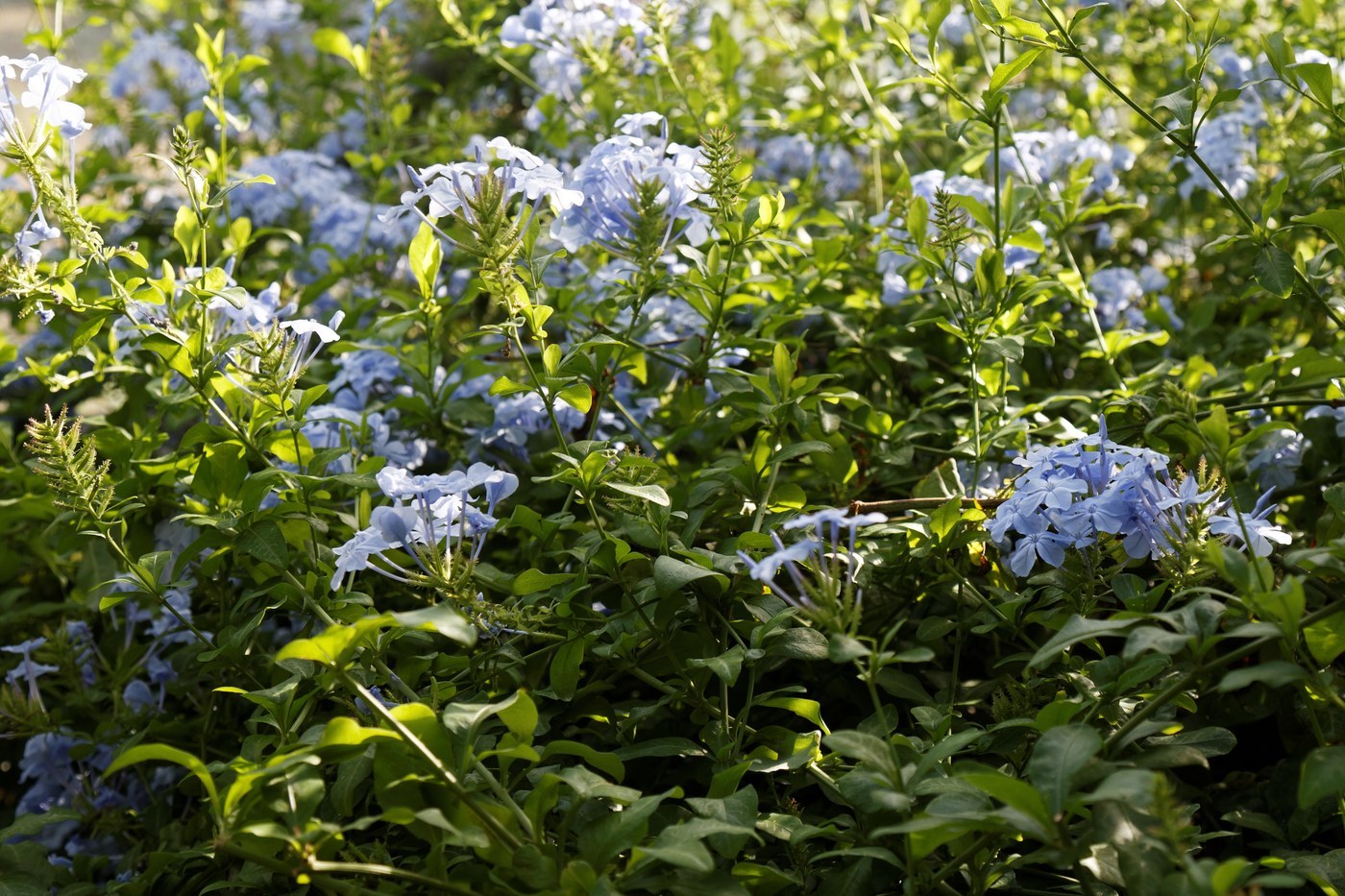
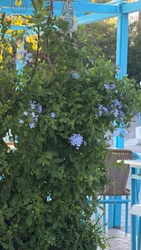
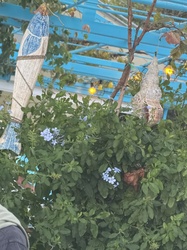
Plumbago (Plumbago auriculata), also called cape leadwort, is a sprawling, semi-woody shrub prized for airy clusters of pale sky-blue (or white) phlox-like flowers that bloom through the warm season. It is an easy, forgiving plant that rewards full sun with near-constant color.
Light
Give Plumbago full sun for the heaviest flowering; six or more hours of direct light produces the densest bloom. It tolerates part shade, but stems stretch and flowering thins noticeably in shadier spots. In extremely hot inland climates a little afternoon shade keeps foliage from bleaching.
Water
Water moderately while the plant is establishing, keeping the root zone evenly moist during the first season. Once rooted in, Plumbago is genuinely drought-tolerant and prefers to dry somewhat between waterings rather than sitting wet. A deep soak every week or two in summer, less in cooler months, suits it well. Consistent moisture during bloom keeps flushes coming, but soggy soil causes root problems.
Soil & Potting
Plant in well-drained soil of almost any type—sandy, loamy, or even lean rocky ground. It is not fussy about fertility and actually blooms best when not overly rich. In containers use a free-draining potting mix and a pot with generous drainage holes; avoid heavy mixes that hold water.
Humidity & Temperature
Plumbago loves warmth and thrives in hot, humid summers as easily as dry Mediterranean heat. It is frost-tender: growth is damaged by light freezes and killed to the ground by hard frost, though established plants in mild zones often resprout from the base. In cold regions grow it as a container plant and overwinter it in a bright, frost-free spot.
Feeding
Feed lightly. A balanced or bloom-oriented fertilizer applied monthly through the growing season keeps foliage green and flowering strong. Over-fertilizing, especially with high nitrogen, produces lush leaves at the expense of flowers, so err toward restraint.
Propagation
Plumbago roots readily from softwood or semi-ripe stem cuttings taken in spring or summer—strip lower leaves, dip in rooting hormone, and keep in a warm, humid propagation setup. It also self-layers where trailing stems touch moist soil, and can be grown from seed, though cuttings are faster and truer.
Repotting / Pruning
Repot container plants every one to two years or when roots fill the pot, moving up one size in spring. Plumbago flowers on new growth, so prune hard in late winter or early spring to control its sprawling habit and encourage fresh flowering wood. Pinch tips through the season for a bushier form, and shear lightly after heavy flushes to keep it tidy and reblooming.
Common Problems & Pests
Plumbago is largely trouble-free. Watch for occasional aphids, whiteflies, spider mites, and mealybugs, especially on stressed or indoor-overwintered plants; treat with insecticidal soap or a strong water spray. Yellowing leaves usually signal overwatering or poor drainage, while sparse bloom points to too much shade or excess nitrogen. Powdery mildew can appear in crowded, poorly ventilated conditions—improve airflow and thin growth.
Seasonal Care Tips
In spring, prune hard, resume feeding, and increase water as growth accelerates. Through summer, enjoy peak bloom with steady moisture and monthly feeding. In autumn, taper watering and feeding as growth slows. In winter, protect from frost—mulch the base outdoors in marginal zones or bring containers into a bright, cool, frost-free space and water sparingly until spring.
Frequently asked questions
Why is my Plumbago not blooming?
The most common causes are too little sun and too much nitrogen fertilizer. Move it to a spot with at least six hours of direct light and switch to a bloom-oriented feed. Because it flowers on new growth, a spring prune also stimulates more flowering wood.
Can I grow Plumbago in a pot?
Yes. Use a free-draining potting mix in a container with good drainage holes, place it in full sun, and feed monthly in the growing season. Potted plants are ideal in cold climates because you can overwinter them indoors in a bright, frost-free spot.
How and when should I prune Plumbago?
Prune hard in late winter or early spring to shape the plant and remove old wood, since blooms form on new growth. Pinch stem tips during the season for bushiness and shear lightly after big flushes to encourage reblooming.
Is Plumbago drought-tolerant?
Once established it is quite drought-tolerant and prefers to dry slightly between waterings. Keep it evenly moist through its first season while roots develop, then water deeply but infrequently.
Plumbago identified by the community
Recent Plumbago specimens identified with Plant Identifier.