
How to Care for Poppy
Sow poppies in full sun on lean, well-drained soil, keep watering light, and let them self-seed for waves of papery blooms.
Read the full Poppy encyclopedia entry →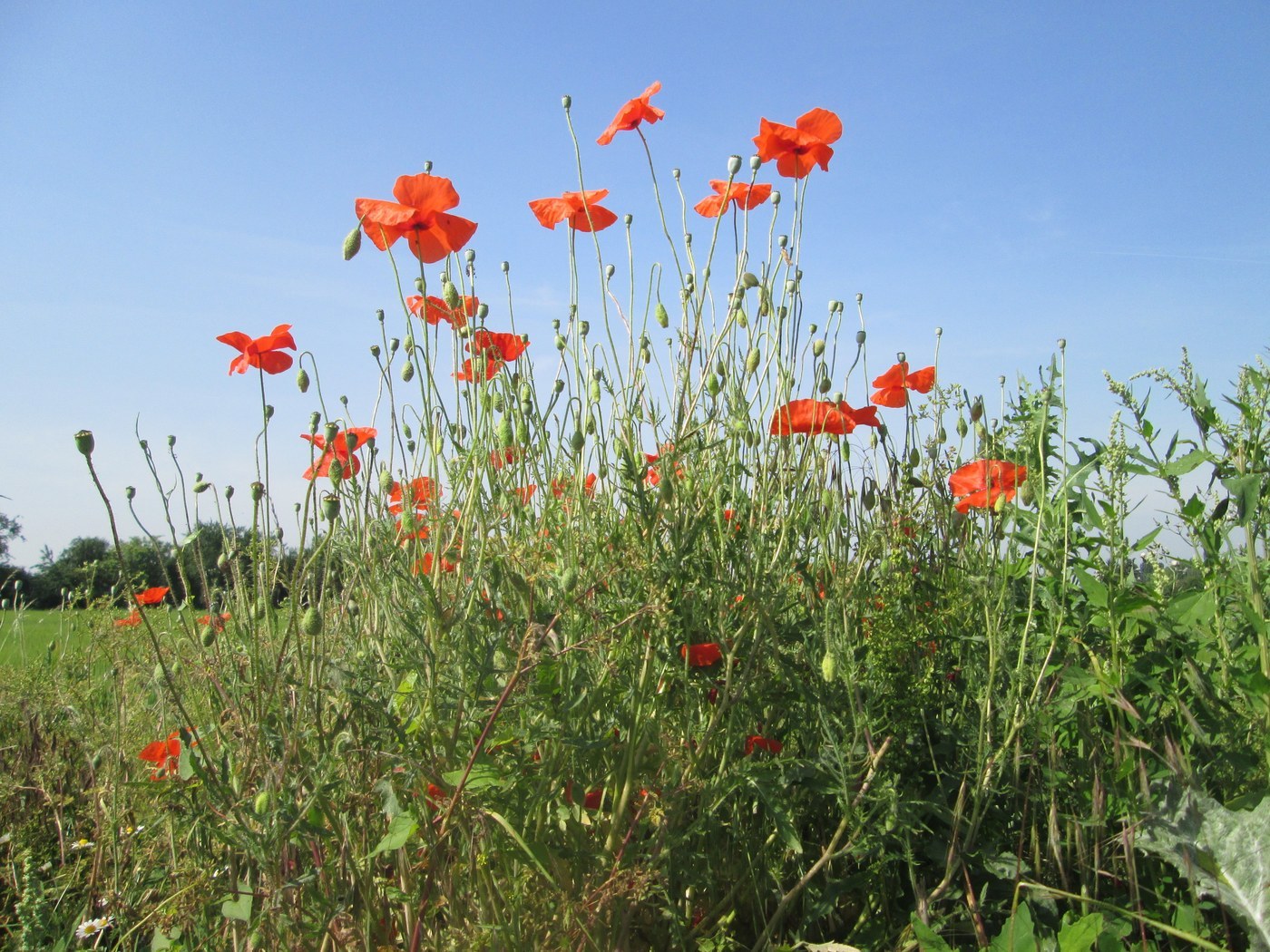
The field poppy (Papaver rhoeas) is a fast, easy annual prized for its tissue-paper petals in brilliant reds and pastels atop slender, wiry stems. It thrives on neglect, asking mainly for sun, sharp drainage, and minimal fuss.
Light
Poppies need full sun, at least 6 hours daily, to bloom well and stand upright. In shade they grow leggy, flop, and flower sparingly. An open, sunny bed also keeps foliage dry and healthy.
Water
Keep watering low. Poppies are drought-tolerant once established and resent soggy conditions, which quickly rot their fine roots. Water young seedlings enough to get them going, then let rainfall do most of the work. Only in prolonged drought should you give an occasional deep drink. Overwatering is a far greater risk than underwatering.
Soil & Potting
Average to lean, well-drained soil suits poppies best; overly rich ground produces floppy foliage and fewer flowers. They tolerate sandy and rocky soils and prefer a neutral to slightly alkaline pH. Excellent drainage is the single most important factor. Because they resent root disturbance, poppies are best direct-sown where they will bloom rather than transplanted from pots.
Humidity & Temperature
Poppies are cool-season growers that germinate and establish best in the chill of early spring or fall. They tolerate light frost and actually prefer cool starts, then bloom as temperatures warm. Hot, humid weather shortens the flowering window and hastens decline. Low humidity and good airflow keep foliage free of mildew.
Feeding
Little feeding is needed. On very poor soils a light dose of balanced fertilizer or a thin scattering of compost at planting is plenty. Avoid rich, high-nitrogen feeding, which encourages weak, leafy growth and floppy stems at the expense of blooms.
Propagation
Poppies are grown from seed, and their seed is tiny. Scatter it thinly over prepared soil in early spring or autumn and press it in lightly without burying, as the seed needs light to germinate. Do not start in pots and transplant, since the taproot dislikes disturbance. Once happy, poppies self-sow freely, returning year after year; leave a few seed capsules to ripen if you want them to naturalize.
Repotting / Pruning
As annuals, poppies are not repotted. Deadheading spent blooms encourages more flowers and slows self-seeding; leave a few pods intact if you want volunteers next season. After the plants finish and yellow, simply pull or cut them back. Thinning crowded seedlings to a few inches apart gives each plant room to develop.
Common Problems & Pests
Poppies are largely trouble-free. The main threats are overwatering and heavy soil, which cause root rot and damping off in seedlings. Aphids sometimes cluster on stems and buds and can be rinsed off or managed with insecticidal soap. Powdery mildew may appear in damp, crowded plantings; improve spacing and airflow. Slugs and snails can nibble young seedlings.
Seasonal Care Tips
Sow in fall or very early spring while the weather is cool so seedlings establish before heat arrives. Enjoy the main flush in late spring to early summer, deadheading to prolong it. As summer heat sets in, plants naturally fade; let a few pods ripen and drop seed, then clear the spent foliage. In mild climates fall-sown poppies overwinter as small rosettes for earlier, stronger spring bloom.
Frequently asked questions
Can I transplant poppy seedlings?
It's best not to. Poppies form a taproot that resents disturbance, so direct-sow them where they will grow. If you must start in pots, use biodegradable ones and move them while very small.
Why aren't my poppies blooming well?
The usual culprits are too much shade or too-rich soil. Give them full sun and lean, well-drained ground, and go easy on fertilizer so they put energy into flowers rather than leaves.
Do poppies come back every year?
Field poppies are annuals, but they self-seed prolifically. Leave a few seed capsules to ripen and scatter, and you'll often get new plants returning in the same spot each year.
How do I sow poppy seed?
Scatter the fine seed thinly over prepared soil in cool weather and press it in lightly. Don't bury it, as it needs light to germinate. Keep the surface just moist until seedlings appear, then thin them out.