
How to Care for Potato
Grow-your-own guide to Solanum tuberosum: full sun, loose acidic soil, steady moisture and hilling for a strong, easy crop.
Read the full Potato encyclopedia entry →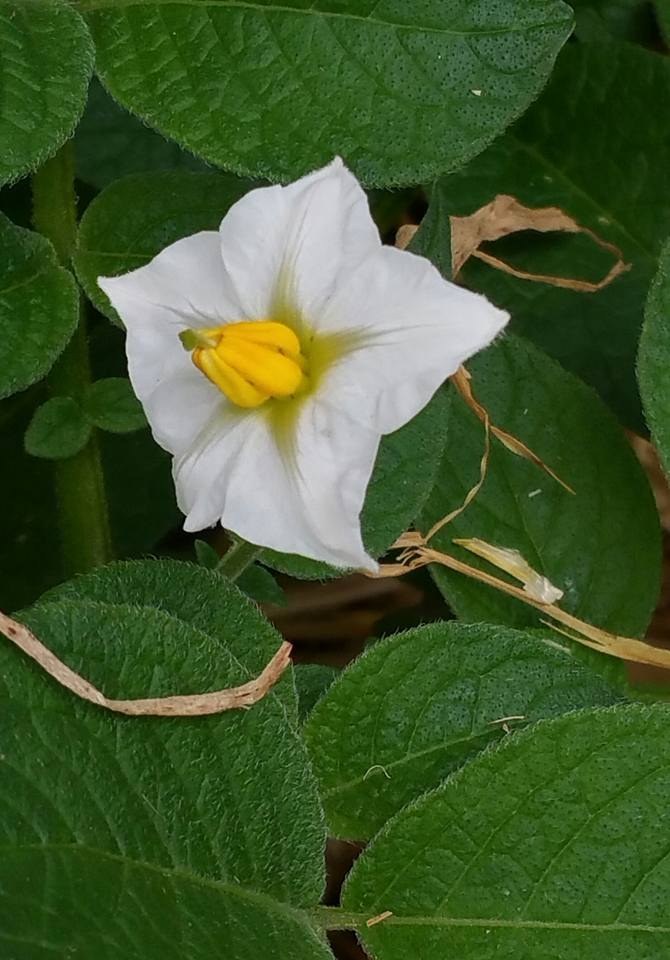
The potato (Solanum tuberosum) is a cool-season, sun-loving tuber crop that is genuinely easy to grow when given loose soil, steady moisture, and regular hilling. Started from certified seed potatoes, it rewards even a first-time gardener with a vigorous, sprawling stand of foliage.
Light
Potatoes demand full sun, at least 6-8 hours of direct light daily. The more sun the tops receive, the more energy the plant channels into forming and swelling tubers. In too much shade the plants grow leggy and pale and produce few, undersized tubers. Choose the brightest, most open spot available and avoid planting where tall crops or fences will cast afternoon shade.
Water
Give potatoes even, regular moisture, roughly 1-2 inches of water per week from rainfall or irrigation. The most critical period is from the onset of flowering onward, when tubers are bulking up; drought at this stage leads to small, knobbly, or cracked tubers. Water deeply and consistently rather than in erratic bursts, since alternating dry and wet spells cause hollow centers and secondary growth. Ease off watering once the foliage begins to yellow and die back near harvest so the skins can set.
Soil & Potting
Plant in loose, deep, well-drained soil rich in organic matter, ideally slightly acidic at pH 5.0-6.0. Heavy clay compacts around developing tubers and encourages rot, so lighten it generously with compost or aged organic matter. Potatoes also grow superbly in containers, grow bags, or towers filled with a free-draining mix; use a container at least 12-16 inches deep so you can add soil as the plant grows. Plant seed potato pieces (each with one or two eyes) about 3-4 inches deep and 12 inches apart.
Humidity & Temperature
Potatoes are a cool-weather crop that grows best with air temperatures of roughly 60-70F (15-21C). Tuber formation slows or stops when soil temperatures climb above about 80F (27C), so time plantings for spring or, in hot regions, for fall. Light frost may nip emerging foliage but the plants usually recover; protect early sprouts on frosty nights with a light mulch or row cover. Ambient humidity is not a major concern outdoors.
Feeding
Work a balanced or slightly higher-potassium fertilizer into the soil at planting, then side-dress lightly as plants grow and again at hilling. Excess nitrogen produces lush leafy tops at the expense of tubers, so favor phosphorus and potassium once flowering begins. Rich compost incorporated before planting often supplies most of what the crop needs.
Propagation
Potatoes are grown from seed potatoes (tubers), not true seed, for reliable results. Buy certified disease-free seed potatoes and cut larger ones into chunks, each carrying one to two eyes, letting the cut faces callus over for a day or two before planting. Chitting (pre-sprouting the tubers in a cool, bright spot for a few weeks before planting) gives an earlier, more uniform start.
Repotting / Pruning
Potatoes are not pruned, but hilling is the defining task: as stems reach 6-8 inches tall, mound loose soil or mulch up around them, leaving the top few inches of foliage exposed, and repeat every couple of weeks. Hilling keeps developing tubers covered and prevents them greening from light exposure while expanding the zone where new tubers form. In containers, simply keep adding mix as the plants climb.
Common Problems & Pests
Colorado potato beetles are the signature pest, chewing foliage rapidly; handpick adults and crush the orange egg clusters on leaf undersides. Aphids, flea beetles, and wireworms also visit. The major diseases are early and late blight (dark leaf lesions spreading fast in wet weather) and scab (rough patches on skins, worse in alkaline soil). Rotate where you plant each year, avoid overhead watering late in the day, and remove volunteer plants to break disease cycles. Green tubers result from light exposure, so keep them well hilled.
Seasonal Care Tips
Plant in early spring once soil is workable and has warmed to about 45-50F, or in late summer for a fall crop in mild climates. Hill and feed through the vegetative and flowering stages. When the tops naturally yellow and flop, stop watering and let the crop mature for one to two weeks so skins toughen, then lift the tubers on a dry day and cure them in a cool, dark, airy place before storage.
Frequently asked questions
Should I grow potatoes from a store-bought potato or seed potatoes?
Use certified seed potatoes. Store-bought tubers are often treated to suppress sprouting and can carry diseases, giving weaker, less reliable results.
Why is hilling potatoes so important?
Mounding soil over the stems keeps developing tubers covered and out of the light, which prevents them turning green, and it expands the zone where new tubers can form, increasing your yield.
Why are my potato tubers small?
The usual causes are too little sun, inconsistent watering during the flowering-and-bulking stage, excess nitrogen driving leafy top growth, or soil that got too warm. Give full sun, steady moisture, and a potassium-leaning feed.
Can I grow potatoes in containers?
Yes, they thrive in grow bags or deep pots at least 12-16 inches deep filled with loose, free-draining mix. Start with soil low in the container and keep adding more as the plants grow, mimicking hilling.