
How to Care for Pothos
Grow pothos, the near-indestructible trailing houseplant that thrives in almost any light and forgives missed waterings.
Read the full Pothos encyclopedia entry →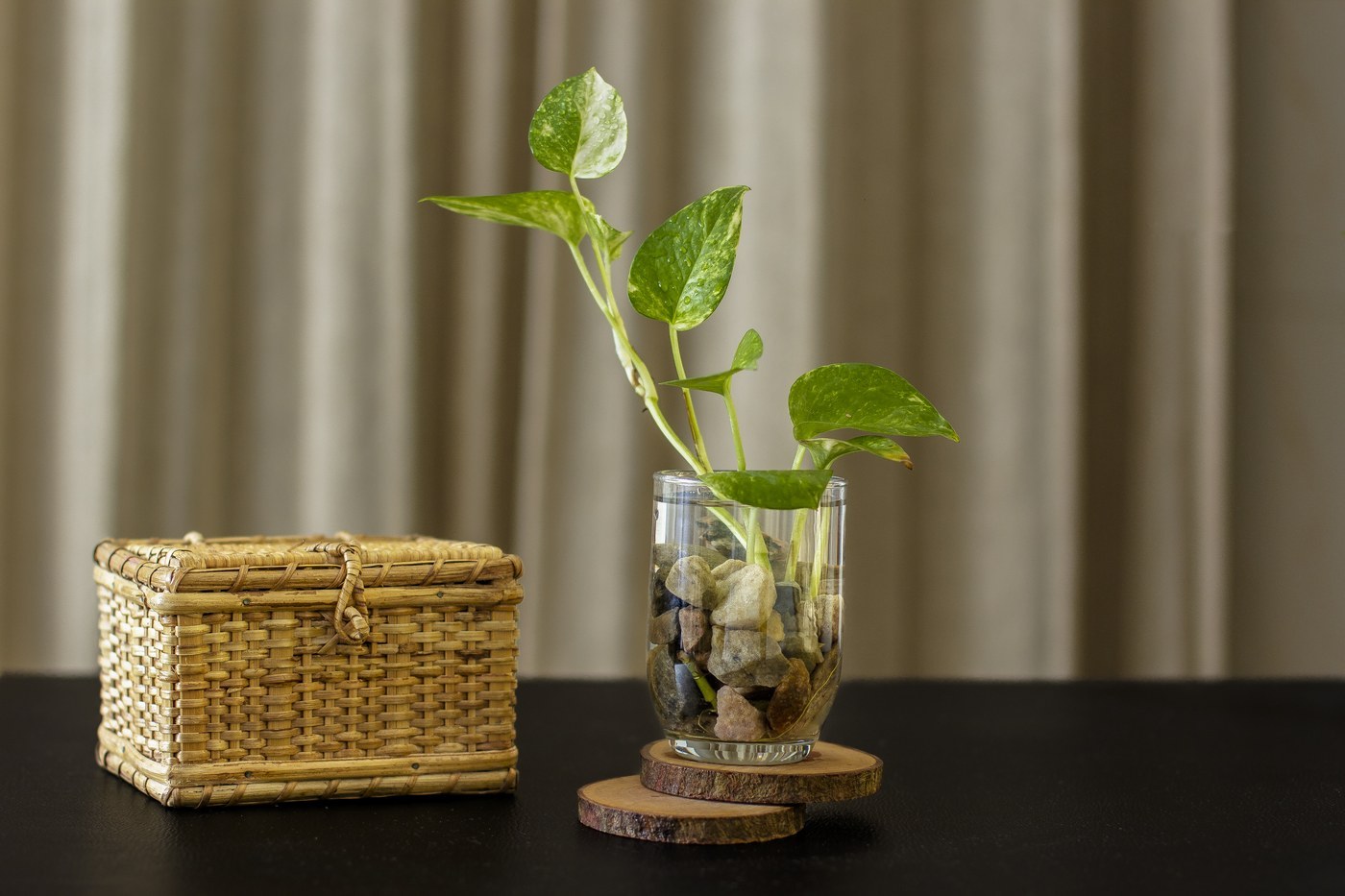
Pothos (Epipremnum aureum) is one of the most popular and forgiving houseplants, grown for its cascading vines of glossy, heart-shaped leaves often marbled with cream, yellow, or white. It adapts to a huge range of conditions, making it ideal for beginners and neglect-prone spaces alike.
Light
Pothos tolerates everything from low light to bright indirect light, which is why it thrives in offices and dim corners. However, brighter indirect light produces fuller growth and richer variegation; in low light, variegated types tend to revert toward solid green and grow more slowly. Avoid harsh direct sun, which can scorch and bleach the leaves. Rotate the plant occasionally for even growth.
Water
Water when the top inch of soil is dry. Pothos prefers to dry out somewhat between waterings and is far more tolerant of underwatering than overwatering. Drooping, limp leaves usually signal thirst and recover quickly after a drink, while yellowing lower leaves and mushy stems point to soggy soil. Water less often in winter when growth slows.
Soil & Potting
Use a well-draining, general-purpose potting mix, ideally lightened with perlite or orchid bark for extra aeration. A pot with drainage holes is essential to prevent water pooling at the roots. Pothos is also famously easy to grow in a jar of plain water for extended periods, though it establishes best long-term in soil.
Humidity & Temperature
Pothos does fine in average household humidity but appreciates a more humid spot, where it produces larger leaves and more aerial roots. Keep it in normal room temperatures and away from cold drafts, air-conditioning blasts, and heating vents. It dislikes temperatures below about 10 degrees Celsius.
Feeding
Feed monthly during spring and summer with a balanced, diluted liquid houseplant fertilizer. Reduce or stop feeding in autumn and winter. Pothos is a light feeder, so avoid over-fertilizing, which can cause salt buildup and leaf-tip browning.
Propagation
Pothos is exceptionally easy to propagate from stem cuttings. Cut a section with a few leaves just below a node (the small bump where a leaf meets the stem, where roots emerge). Place the cutting in water or directly in moist soil; roots appear within a week or two in water. Pot up water-rooted cuttings once roots are a couple of inches long for a fuller plant.
Repotting / Pruning
Repot every one to two years, or when roots circle the pot or push out the drainage holes, moving up one pot size in spring. Prune anytime to control length and encourage bushiness; cutting back leggy vines just above a node prompts branching. Trim any bare, sparse stems to rejuvenate a straggly plant, and use the trimmings as cuttings.
Common Problems & Pests
Yellowing leaves most often indicate overwatering, though very old lower leaves yellow naturally. Brown leaf tips suggest dry air, inconsistent watering, or fertilizer buildup. Leggy vines with widely spaced leaves signal too little light. Pests are uncommon but can include mealybugs, spider mites, and scale; wipe leaves and treat with insecticidal soap if needed. Root rot from persistent sogginess is the most serious risk.
Seasonal Care Tips
In spring and summer, growth is vigorous: feed monthly, prune to shape, and take cuttings. In autumn and winter, growth slows, so water less and pause feeding. Wipe dust from the broad leaves periodically to keep them glossy and photosynthesizing efficiently, and give the plant a quarter turn each week for balanced growth.
Frequently asked questions
Why is my variegated pothos turning all green?
Variegated pothos loses its cream or yellow markings in low light because the plant favors green, chlorophyll-rich tissue to gather energy. Move it to brighter indirect light to restore variegation, and prune out fully green stems to encourage variegated growth.
Can I grow pothos in water permanently?
Yes, pothos can live in water for a long time. Keep the water topped up and refresh it regularly, and add a diluted liquid fertilizer occasionally since water lacks nutrients. Note that a plant grown in water long-term adapts poorly if later moved to soil.
Why are my pothos leaves turning yellow?
The most common cause is overwatering and soggy soil. Let the top inch dry before watering and make sure the pot drains freely. An occasional yellow lower leaf is just natural aging, but widespread yellowing with mushy stems means the roots are too wet.
How do I make my pothos fuller instead of long and leggy?
Give it brighter indirect light and prune leggy vines just above a node to trigger branching. You can also tuck rooted cuttings back into the same pot to fill gaps, creating a denser, bushier plant over time.