
How to Care for Purple Waffle Plant
Grow Purple Waffle Plant with bright indirect light, steady light moisture, and warm humid air for rich puckered purple foliage.
Read the full Purple Waffle Plant encyclopedia entry →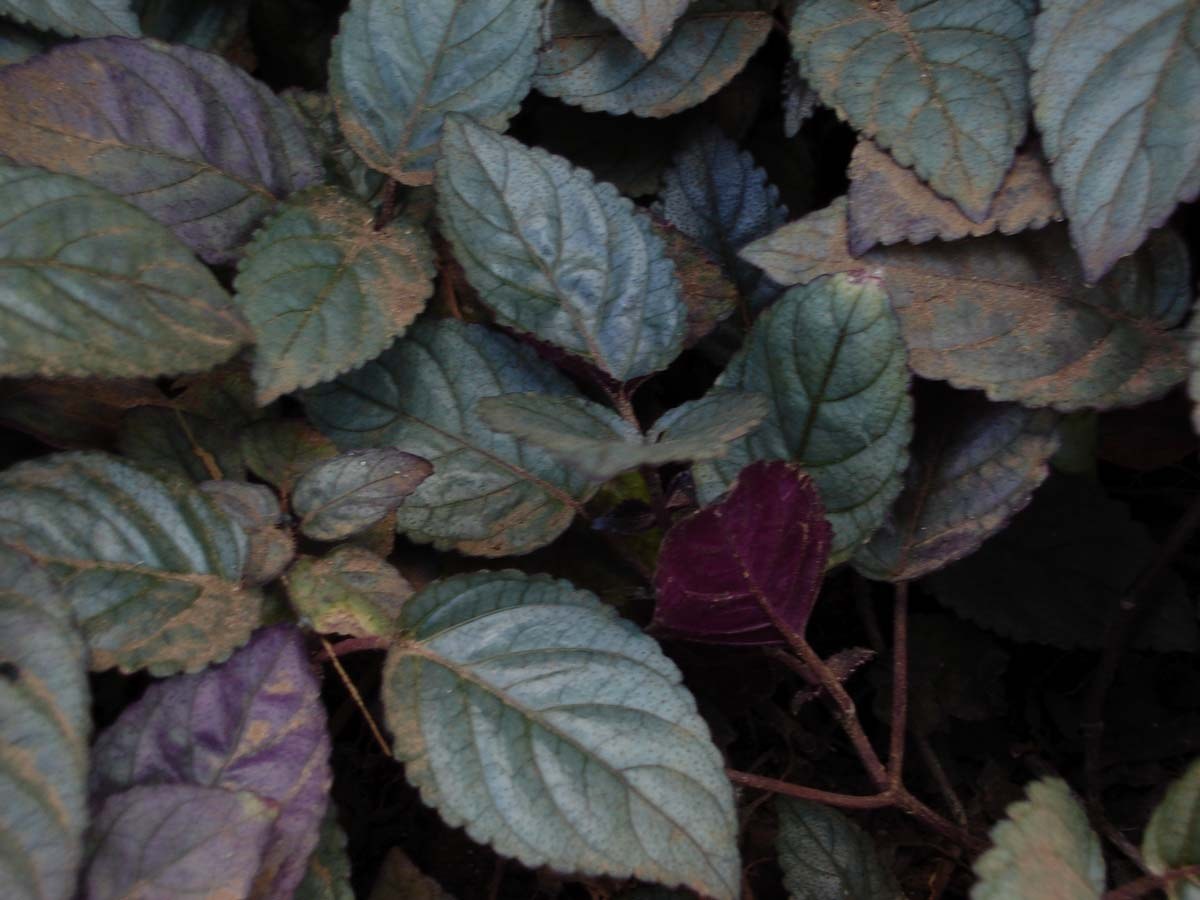
The Purple Waffle Plant (Hemigraphis alternata) is a compact, spreading foliage plant grown for its deeply puckered, waffle-textured leaves that are metallic green above and vivid purple beneath. It is easygoing and quick to fill a pot, making it a lively choice for shelves, terrariums, and mixed containers.
Light
Bright indirect light brings out the strongest purple coloring and keeps growth compact. An east-facing window or a spot just back from a brighter window is perfect. Avoid harsh direct midday sun, which can scorch the tender leaves, but too much shade dulls the purple tones and leads to leggy, sparse stems.
Water
Keep the soil lightly and evenly moist at all times. This plant does not like to dry out fully and will wilt dramatically when thirsty, though it usually recovers once watered. Let only the very top of the soil begin to dry before watering again, and avoid leaving it soggy, which invites rot. Consistent light moisture is the goal.
Soil & Potting
Use a light, well-draining but moisture-retentive potting mix rich in organic matter. A standard peat- or coir-based houseplant mix with a little perlite works well. Choose a pot with drainage holes so excess water escapes while the mix stays evenly damp.
Humidity & Temperature
This is a warmth- and humidity-loving plant. It thrives between 65 and 80 degrees Fahrenheit and dislikes temperatures below about 60 degrees. High humidity keeps the foliage lush, so it excels in terrariums, bathrooms, or grouped with other plants; a pebble tray or humidifier helps in dry rooms. Keep it away from cold drafts and heating vents.
Feeding
Feed with a balanced liquid houseplant fertilizer at half strength every two to four weeks during spring and summer. Ease off in autumn and stop through winter when growth slows. Light, regular feeding supports its fast spreading habit and vibrant leaf color.
Propagation
Purple Waffle Plant propagates readily from stem cuttings. Snip a few inches of healthy stem, remove the lower leaves, and root it in water or directly in moist mix. Stems also root where they touch damp soil, so you can layer trailing pieces to make new plants easily.
Repotting / Pruning
Repot in spring when roots fill the container, moving up one pot size. Pinch back stem tips regularly to encourage dense, bushy growth and prevent legginess. Trim away any faded or leggy stems, and use the cuttings to start fresh plants.
Common Problems & Pests
Watch for aphids, whiteflies, spider mites, and mealybugs, especially in dry conditions; rinse foliage and treat with insecticidal soap as needed. Wilting signals dry soil, while yellowing or mushy stems point to overwatering. Dull, faded color and stretched stems usually mean the plant needs brighter indirect light.
Seasonal Care Tips
Growth is fastest in the warm, bright months of spring and summer, when regular feeding and pinching keep the plant full. In winter, reduce feeding, water a bit less often while still keeping the soil from drying out, and protect the plant from cold windowsills and drafts.
Frequently asked questions
Why did my Purple Waffle Plant suddenly wilt?
It wilts fast when the soil dries out because it likes steady moisture. Water it thoroughly and it usually perks back up within hours; aim to keep the mix lightly moist to prevent repeat wilting.
How do I keep the purple color vivid?
Give it bright indirect light. Too little light dulls the purple undersides and causes leggy growth, while harsh direct sun can scorch the leaves.
Does this plant need high humidity?
It loves humidity and stays lushest in humid spots like terrariums or bathrooms. In dry rooms use a pebble tray, humidifier, or group it with other plants.
How do I make it bushier?
Pinch back the stem tips regularly. This encourages branching and dense growth, and the trimmed pieces root easily to make new plants.