
How to Care for Rabbit's Foot Fern
Grow Davallia fejeensis, a charming fern with lacy fronds and fuzzy rhizomes that creep over the pot like little rabbit's feet.
Read the full Rabbit's Foot Fern encyclopedia entry →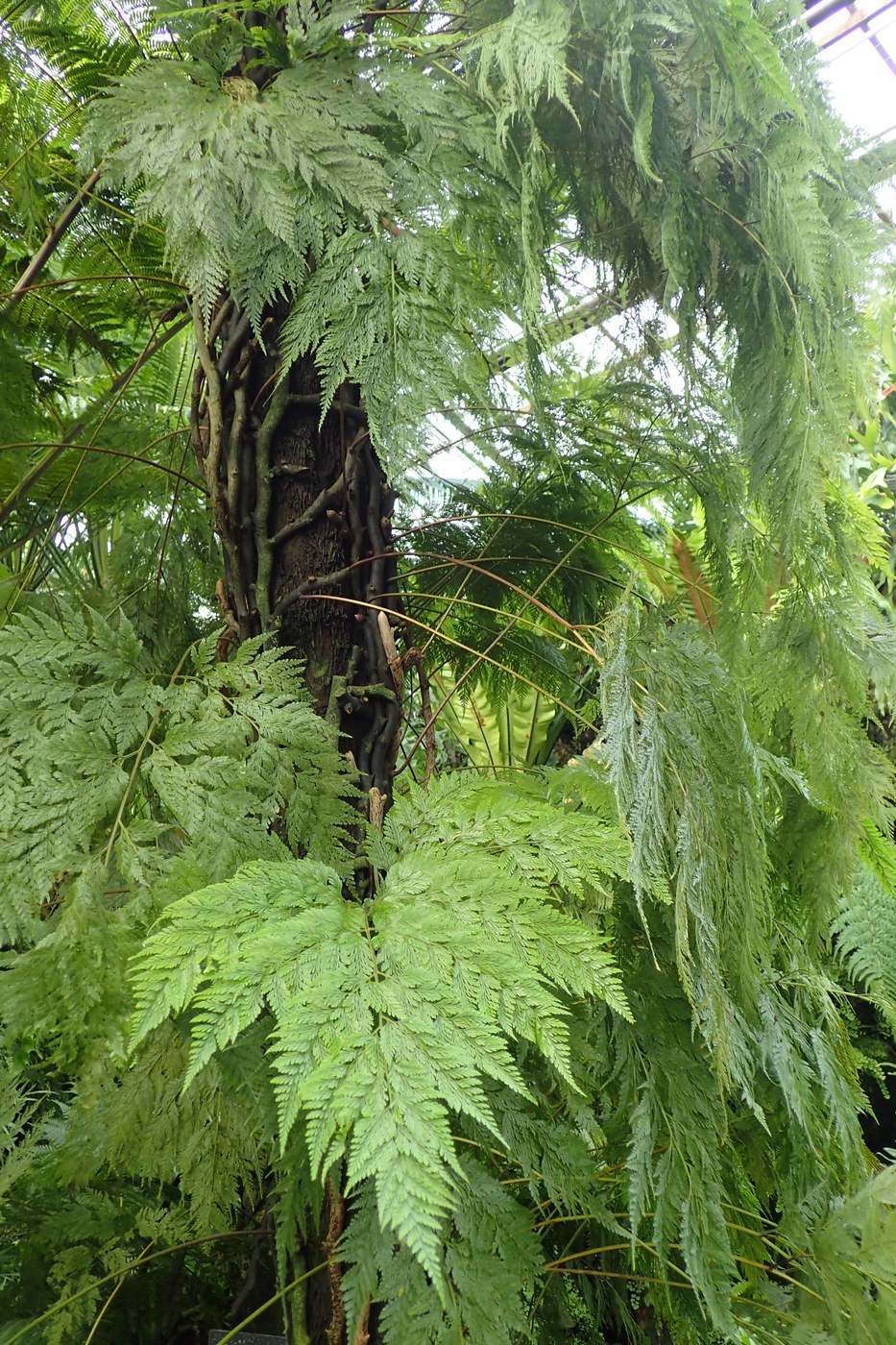
Rabbit's Foot Fern (Davallia fejeensis) is a delicate, finely divided fern named for the soft, silvery-furred rhizomes that creep over the pot rim and trail down like little animal feet. It is an epiphytic fern that makes an eye-catching hanging basket or shelf plant, more forgiving of household air than most ferns but still rewarding a bit of attention.
Light
Provide bright, indirect light. An east-facing window, or a spot set back from a brighter south or west window, gives the airy fronds the light they need without scorching. Direct sun bleaches and crisps the delicate foliage. In too little light, growth thins and the plant becomes sparse.
Water
Keep the growing medium lightly and evenly moist, letting the top of the soil dry slightly between waterings. The plant dislikes both soggy roots and complete drying out. Water when the surface begins to feel dry, then let excess drain away. The furry rhizomes should rest on top of the soil, never buried, and should not be waterlogged. Use room-temperature water and avoid letting the pot sit in a saucer of water.
Soil & Potting
Use a light, airy, well-draining mix rich in organic matter, such as a peat-based or coir-based mix blended with perlite, orchid bark, and a little sphagnum moss. Because it is epiphytic, it thrives in a chunky, breathable medium and even grows well in shallow pots or hanging baskets that let the rhizomes crawl. Always plant with the fuzzy rhizomes sitting on the surface.
Humidity & Temperature
This fern loves warmth and moderate to high humidity. Aim for temperatures roughly between 60 and 75F and protect it from cold drafts and sudden chills. Raise humidity with a pebble tray, a nearby humidifier, or grouping with other plants, especially in dry, heated rooms; low humidity causes frond edges to brown. Avoid placing it near heating vents or cold windows.
Feeding
Feed lightly during the growing season, spring through summer, with a balanced liquid houseplant fertilizer diluted to half strength, roughly once a month. Ferns are sensitive to salt buildup, so err on the weak side and flush the soil occasionally with plain water. Reduce or stop feeding in fall and winter when growth slows.
Propagation
Rabbit's foot fern is propagated by rhizome division. Cut a section of rhizome that has a few fronds and some small roots attached, and either pin it onto the surface of fresh moist mix in a new pot or lay it on damp sphagnum until it roots. Keep the cutting warm and humid while it establishes. Spores can also be grown but are slow and less practical for home growers.
Repotting / Pruning
Repot every couple of years in spring, or when rhizomes have covered the pot surface and roots fill the container. Choose a wide, shallow pot to accommodate the creeping rhizomes, and set them on top of the fresh mix rather than burying them. Pruning is minimal: simply trim away any browned or dead fronds at the base to keep the plant tidy and encourage fresh growth.
Common Problems & Pests
Browning frond tips and edges usually signal low humidity or dry air; increase moisture in the air and keep watering even. Yellowing, wilting fronds often mean overwatering or poor drainage, while crispy, faded fronds point to too much direct sun or underwatering. Watch for scale, mealybugs, and occasionally spider mites in dry conditions; treat gently with insecticidal soap, testing first since ferns can be sensitive. Never bury the rhizomes, as covered rhizomes tend to rot.
Seasonal Care Tips
In spring and summer, growth is active: keep humidity up, water evenly, and feed lightly. In the drier heating season of fall and winter, growth slows, so cut back on water and feeding while paying extra attention to humidity, as indoor heat quickly dries the fronds. Keep it away from cold drafts in winter and out of scorching summer sun. Steady warmth and moisture year-round keep the lacy fronds and charming furry rhizomes at their best.
Frequently asked questions
Should I bury the fuzzy rhizomes of a rabbit's foot fern?
No. The furry rhizomes are meant to creep along the surface of the soil and over the pot rim. Burying them tends to cause rot. Plant the fern with the rhizomes resting on top of the mix.
Why are the frond tips turning brown?
Brown, crispy tips are usually caused by low humidity or dry indoor air, common in heated rooms. Raise humidity with a pebble tray or humidifier, keep watering even, and move it away from heat vents.
How do I propagate a rabbit's foot fern?
Divide it by cutting a section of rhizome that has a few fronds and roots attached, then pin it onto moist mix or damp sphagnum in a new pot. Keep it warm and humid until it roots.
How much light does it need?
Bright, indirect light is ideal, such as an east window or set back from a brighter one. Direct sun scorches the delicate fronds, while deep shade leaves the plant thin and sparse.