
Rabbit's Foot Fern Identification Guide
Identify the Rabbit's Foot Fern (Davallia fejeensis) by its furry, creeping rhizomes that resemble animal feet and its lacy, finely divided fronds.
Read the full Rabbit's Foot Fern encyclopedia entry →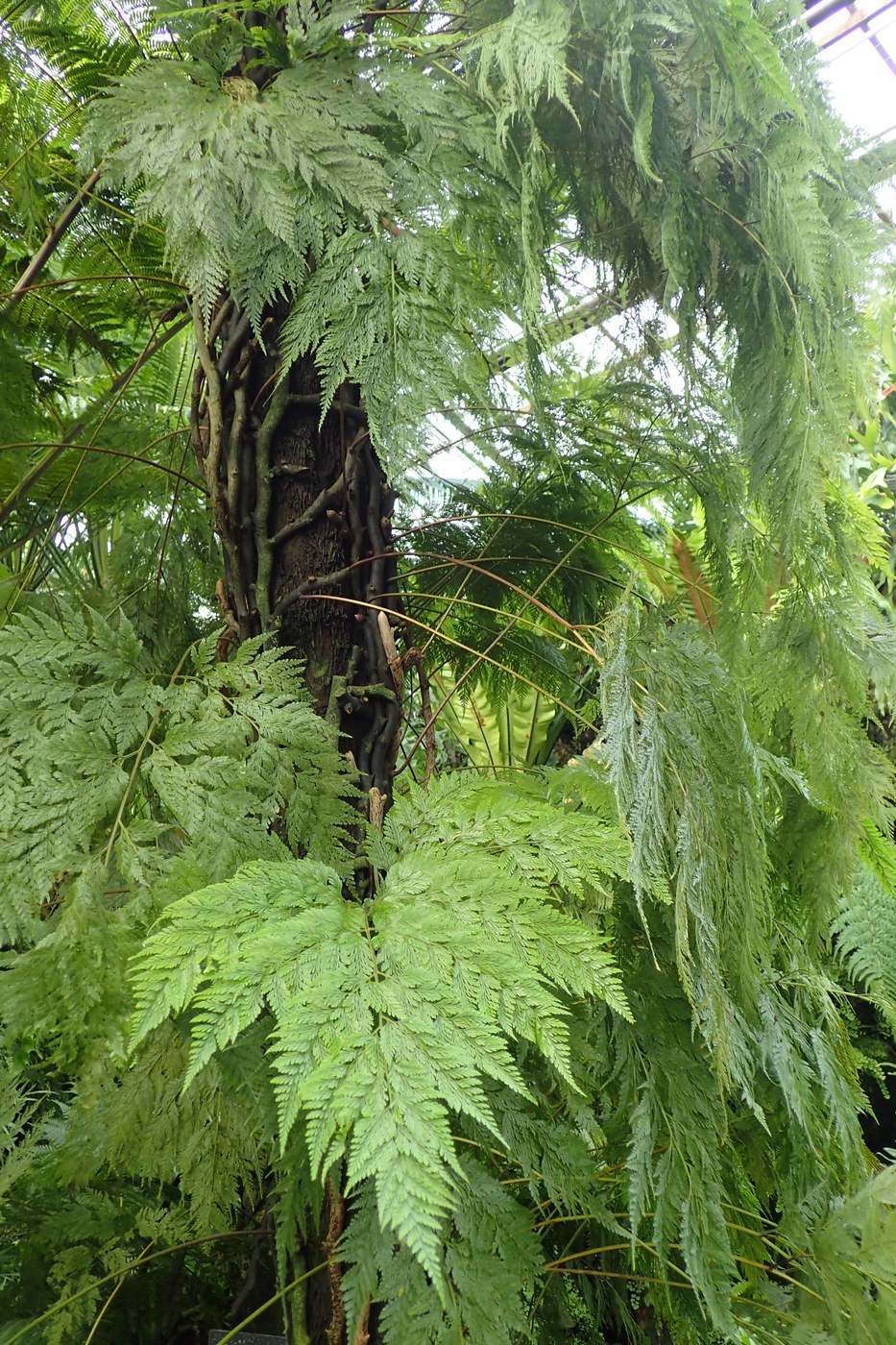
Key Identifying Features
The Rabbit's Foot Fern (Davallia fejeensis) is instantly recognizable by the soft, furry, light-brown rhizomes that creep over the soil and drape down the pot, looking exactly like furry animal feet or paws. Above these are airy, finely cut fronds.
- Fuzzy, tan-to-silvery creeping rhizomes crawling over the pot edge
- Lacy, finely divided (tripinnate) delicate fronds
- Fronds on thin stalks rising from the furry rhizomes
- Light, feathery, almost mossy overall texture
Leaves & Stems
The fronds are broadly triangular and very finely divided, two to three times pinnate, giving a delicate, lacy carpet of small toothed segments. They are bright to medium green and held on slender wiry stalks. Individual fronds are typically 8-18 inches long.
The signature feature is the rhizome: thick, surface-creeping stems densely covered in soft pale scales (the 'fur'), ranging from silvery white to tan depending on the species or cultivar. These rhizomes branch and spread, eventually spilling over the container rim like a cluster of furry feet. New fronds emerge along the length of these rhizomes.
Flowers & Fruit
No flowers are produced. It reproduces by spores held in small cup-shaped sori along the frond margins/undersides, typical of Davallia. The furry rhizomes are vegetative, not reproductive structures, and can be used to propagate new plants.
How to Tell It Apart from Look-Alikes
- Other 'foot' ferns (deer's-foot, squirrel's-foot Davallia, Humata): Closely related; differences are subtle and based on rhizome color and frond cut. Davallia fejeensis tends to have especially lacy fronds and tan rhizomes.
- Boston/sword ferns: Have once-divided sword-shaped fronds and lack furry creeping rhizomes.
- Maidenhair ferns: Also lacy but have black wiry stems and fan-shaped segments, and no fuzzy surface rhizomes.
The furry rhizomes crawling over the pot are the decisive clue no look-alike ground fern shares.
Where You'll Find It
Grown as a hanging-basket or epiphytic houseplant so the furry rhizomes can dangle. Native to Fiji, it likes bright indirect light, high humidity, and a loose, fast-draining mix. The rhizomes should rest on top of the soil, not be buried.
Quick ID Checklist
- Furry, pale creeping rhizomes over the pot edge
- Lacy, finely divided triangular fronds
- Fronds on thin wiry stalks from the rhizomes
- Spore sori along frond margins
- Often grown in hanging baskets
If you see fuzzy 'paws' creeping over a pot beneath delicate lacy fronds, you have a Rabbit's Foot Fern.
Frequently asked questions
What are the furry 'feet' on a Rabbit's Foot Fern?
They are creeping rhizomes (surface stems) densely covered in soft pale scales. They crawl over the soil and pot edge, resembling furry animal feet, and they sprout new fronds along their length.
Should I bury the furry rhizomes?
No. The rhizomes should rest on top of the soil. Burying them can cause rot. They naturally creep over the surface and down the sides of the pot.
How do I tell it from a squirrel's-foot or deer's-foot fern?
All are closely related Davallia/Humata ferns with furry rhizomes. Davallia fejeensis (Rabbit's Foot) typically has especially lacy, finely divided fronds and tan-colored rhizomes; the differences are subtle.
Does it produce flowers?
No. It is a fern and reproduces by spores held in small cup-shaped sori along the frond margins. The furry rhizomes are vegetative and can be used to propagate the plant.