
How to Care for Ranunculus
Grow ranunculus from claw-shaped tubers in full sun and cool weather for masses of rose-like, tissue-paper blooms.
Read the full Ranunculus encyclopedia entry →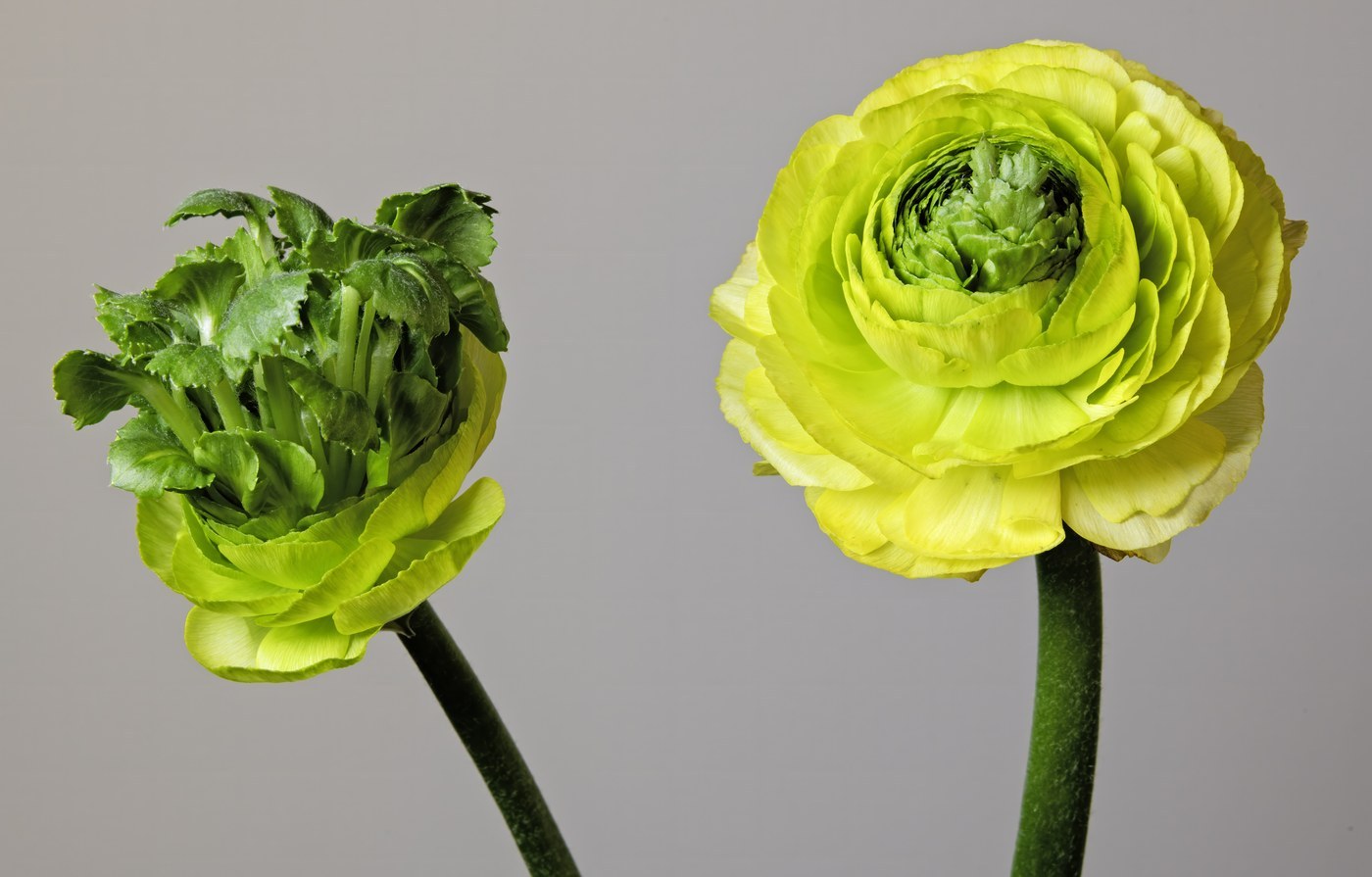
Ranunculus (Ranunculus asiaticus) is a tuberous perennial grown for its extravagant, many-petaled flowers that resemble tissue-paper roses in jewel and pastel tones. It thrives in cool weather and goes dormant in heat, so timing is everything.
Light
Give ranunculus full sun — at least 6 hours of direct light for sturdy stems and the most abundant flowers. In mild-winter regions plant for spring bloom; in hot climates provide light afternoon shade to prolong the flowering season before summer heat forces dormancy.
Water
Keep soil evenly moist while the plants are actively growing and blooming, watering when the top inch dries. Avoid soggy conditions, which rot the delicate tubers. As foliage yellows and the plant enters dormancy, taper off water sharply and keep the tubers dry through their summer rest.
Soil & Potting
Plant in rich, loose, well-draining soil — the claw-shaped tubers rot easily in heavy, wet ground. Amend with compost and coarse grit for drainage. Position tubers claws-down, about 2 inches deep. In containers use a light, free-draining potting mix and ensure ample drainage holes.
Humidity & Temperature
Ranunculus is a cool-season grower, happiest between roughly 50–65°F (10–18°C). It resents both hard freezes on tender new growth and prolonged heat, which triggers early dormancy. Moderate humidity is fine; excessive damp encourages fungal problems. In cold regions treat tubers as lift-and-store or plant in spring.
Feeding
A balanced or slightly bloom-focused fertilizer applied every few weeks during active growth supports the heavy flush of flowers. Start feeding once foliage is established and stop as the plants begin to fade into dormancy. Avoid heavy nitrogen, which favors leaves over blooms.
Propagation
Propagate by dividing the tuberous clusters once foliage has died back and the tubers are lifted and dried. Each healthy claw section can be replanted. Ranunculus can also be grown from seed, though it is slower and less predictable than tubers.
Repotting / Pruning
Before planting, many growers pre-soak the dried tubers for a few hours to plump them, then plant promptly. Deadhead spent flowers regularly to encourage continued blooming. Once foliage yellows, let it die back naturally to feed the tuber, then lift and store dry tubers in a cool, airy place for replanting next season.
Common Problems & Pests
The most common failure is tuber rot from overwatering or poorly drained soil — keep drainage sharp and never leave tubers in cold, wet ground. Powdery mildew and botrytis appear in damp, crowded conditions, so space plants for airflow. Aphids may cluster on buds and tender growth; hose them off or treat early.
Seasonal Care Tips
Fall/late winter (mild climates): soak and plant tubers for spring bloom. Spring: keep evenly moist, feed, and deadhead for a long display. Early summer: as heat arrives and foliage fades, stop watering. Summer: lift and store dry tubers, keeping them cool and dark until the next planting window.
Frequently asked questions
Which way do I plant ranunculus tubers?
Plant them claws pointing down, about 2 inches deep, in loose well-draining soil. Many growers pre-soak the dried tubers for a few hours first to plump them before planting.
Why did my ranunculus stop blooming?
Heat is the usual cause. Ranunculus is a cool-season plant that goes dormant as temperatures climb. Once foliage yellows, taper off water and let it rest — it's a natural cycle, not a failure.
Can I save ranunculus tubers for next year?
Yes. After the foliage dies back, lift the tubers, let them dry, and store them cool, dark, and airy through summer. Replant them in the next cool-season window.
Why are my ranunculus tubers rotting?
Rot comes from overwatering or heavy, poorly drained soil. Plant in loose, gritty, free-draining mix, water only when the top inch dries, and keep tubers dry during dormancy.