
How to Care for Red Aglaonema
Keep colorful Aglaonema commutatum thriving indoors with medium to bright indirect light, careful watering, warmth, and humidity.
Read the full Red Aglaonema encyclopedia entry →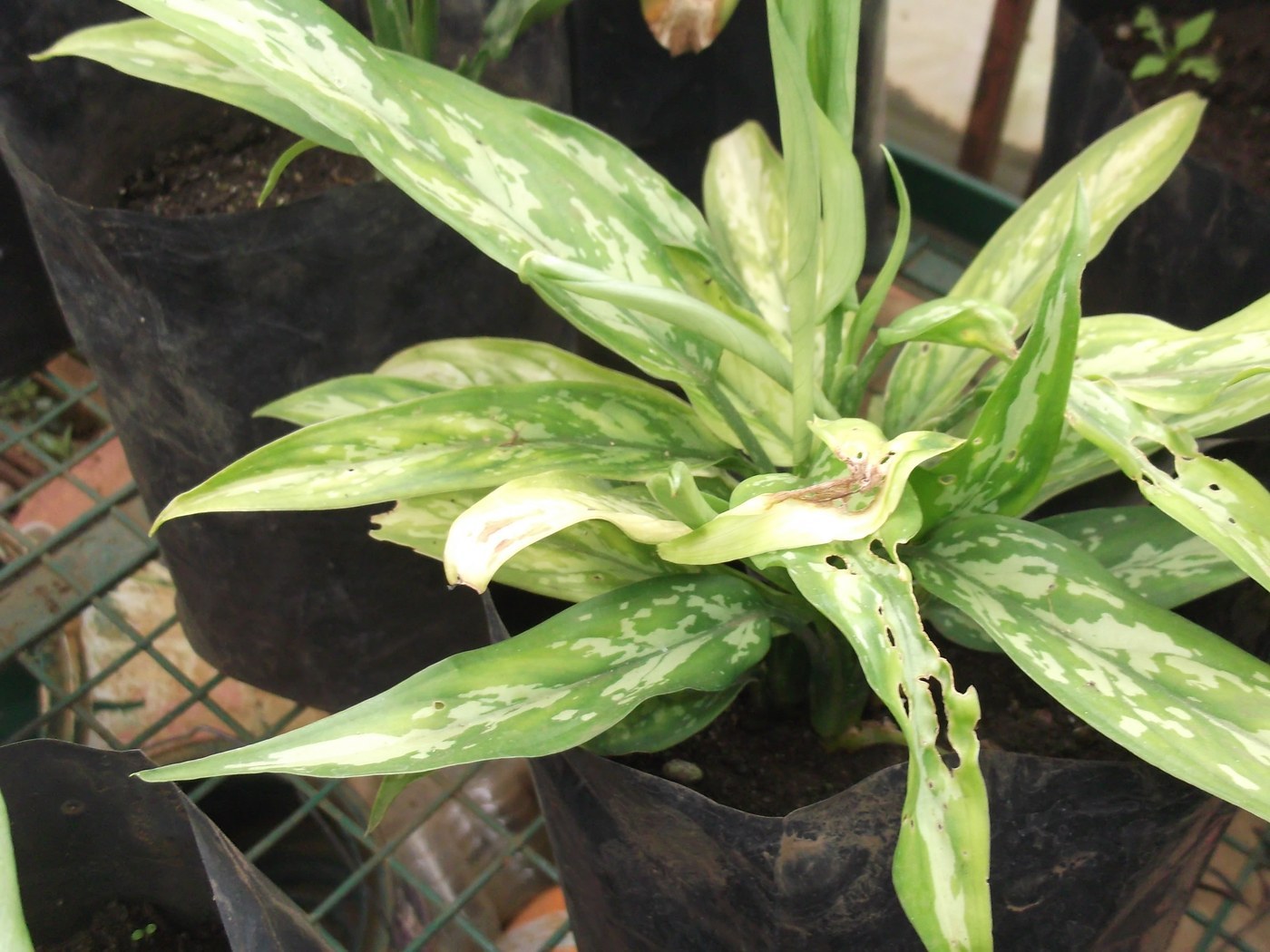
Aglaonema commutatum, the red Chinese evergreen, is a striking houseplant grown for its patterned foliage splashed with pink and red. It is forgiving and easy, making it a great choice for indoor growers of all levels.
Light
Provide medium to bright indirect light to keep the red and pink variegation vivid. The brighter varieties hold their color better with more indirect light, while green-dominant forms tolerate lower light. Avoid harsh direct sun, which can scorch the leaves, and rotate the pot for even growth.
Water
Water when the top half of the soil dries out, then water thoroughly until it drains from the bottom. Aglaonema is sensitive to overwatering and soggy soil, which causes root rot, so err on the drier side. Reduce watering in winter when growth slows.
Soil & Potting
Use a light, well-draining potting mix, such as a peat- or coir-based blend amended with perlite or bark for aeration. Choose a pot with drainage holes. Aglaonema likes to be somewhat snug in its container and does not need frequent repotting.
Humidity & Temperature
This tropical plant prefers warm temperatures, roughly between 65 and 80 degrees Fahrenheit, and appreciates moderate to high humidity. Keep it away from cold drafts, air conditioning vents, and windows in winter, as it is cold-sensitive. Grouping plants or using a humidity tray helps in dry indoor air.
Feeding
Feed monthly during spring and summer with a balanced, diluted liquid houseplant fertilizer. Suspend feeding in fall and winter when growth is minimal. This is a light feeder, so avoid over-fertilizing, which can cause leaf-tip burn.
Propagation
Propagate by division when repotting, separating rooted clumps into new pots. Stem cuttings with a few nodes can also be rooted in water or moist soil. Warmth and humidity speed up rooting; spring and summer are the best times to propagate.
Repotting / Pruning
Repot every two to three years or when roots fill the pot, moving up one pot size in spring. Pruning is minimal: trim off yellowing or damaged leaves at the base to keep the plant tidy. Removing spent flowers redirects energy into foliage.
Common Problems & Pests
Overwatering leads to yellowing leaves and root rot, the most common issue. Watch for spider mites, mealybugs, and scale, especially in dry indoor conditions. Brown leaf tips often signal low humidity or fertilizer buildup, while faded color usually means the plant needs brighter indirect light.
Seasonal Care Tips
In spring and summer, water regularly as the top soil dries, feed monthly, and propagate or repot as needed. In fall and winter, cut back on water and feeding, keep the plant warm and away from cold drafts, and provide extra humidity to counter dry heated air.
Frequently asked questions
Why are my Red Aglaonema leaves turning yellow?
Yellowing is most often caused by overwatering and soggy soil. Let the top half of the soil dry before watering again and make sure the pot drains freely.
How much light does a Red Aglaonema need?
It prefers medium to bright indirect light, which keeps the red and pink variegation vibrant. Avoid direct sun, which can scorch the foliage.
Why is my Aglaonema losing its red color?
Faded or greener leaves usually mean the plant needs more indirect light. Move it to a brighter spot, away from direct sun, to restore the coloring.
How often should I water a Red Aglaonema?
Water when the top half of the soil is dry, roughly every one to two weeks depending on conditions, and reduce watering in winter.