
How to Care for Red Currant
Grow Ribes rubrum, an easy, cold-hardy deciduous shrub grown for its cascading strings of glossy translucent red berries and neat form.
Read the full Red Currant encyclopedia entry →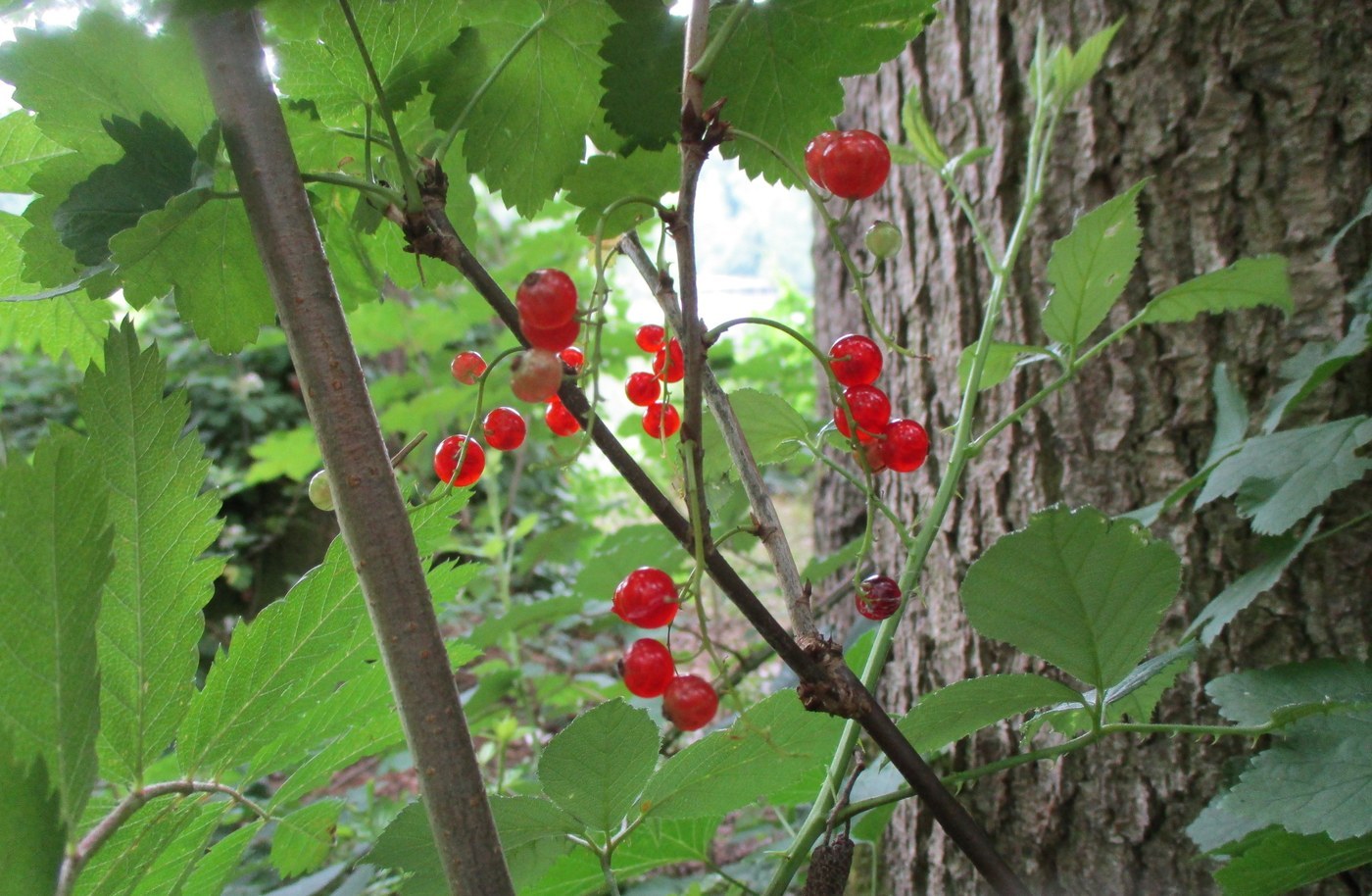
Red currant (Ribes rubrum) is a compact, cold-hardy deciduous shrub grown for its long strigs of glossy, translucent red berries and its handsome lobed foliage. It is one of the most forgiving fruiting shrubs, thriving in cooler climates and tolerating more shade than most fruit plants.
Light
Produces the best crops in full sun, but unlike many fruiting shrubs it tolerates partial shade well, making it useful for north-facing walls or lightly shaded borders. In hot regions, afternoon shade protects the foliage and fruit from scorch. More sun means heavier fruiting and sweeter berries.
Water
Keep the soil evenly moist, especially from flowering through fruit development, when dry spells can cause small berries or fruit drop. The shallow root system dries out quickly, so water regularly in summer and never let the plant bake bone-dry. Avoid waterlogging, which encourages root problems; aim for steady, consistent moisture.
Soil & Potting
Adapts to most soils but prefers a rich, moisture-retentive loam with good drainage and a slightly acidic to neutral pH. Work in plenty of organic matter at planting and mulch annually to hold moisture and feed the surface roots. It grows well in large containers too; use a loam-based mix and keep it well watered.
Humidity & Temperature
A classic cool-climate shrub, very cold-hardy and requiring a period of winter chill to fruit well, roughly USDA zones 3 to 7. It dislikes prolonged heat and struggles in hot, dry summers. No special humidity requirements; good air movement around the bush helps prevent fungal issues.
Feeding
A moderate feeder. Apply a balanced fertilizer or a top-dressing of compost and a potassium-rich feed in early spring to support fruiting. Avoid excess nitrogen, which promotes leafy growth at the expense of berries and can make the plant more prone to disease. An annual organic mulch supplies steady nutrition.
Propagation
Very easy from hardwood cuttings taken in late autumn: choose pencil-thick shoots about 20 to 30 cm long, remove the lower buds to encourage a clear leg, and root them in a sheltered nursery bed over winter. Layering low branches also works reliably.
Repotting / Pruning
Red currants fruit on older wood and at the base of one-year-old shoots, so they are pruned to an open goblet shape on a short leg. In winter, remove crossing, weak, and old unproductive branches and shorten the previous year's growth to build a strong framework of eight to ten main branches. Summer pruning of side shoots improves light and air. Repot container plants every two to three years in winter dormancy.
Common Problems & Pests
Generally robust. Watch for aphids, which can cause reddish blistering and curling on young leaves, and for currant sawfly larvae that can strip foliage quickly; inspect the bush interior regularly. Powdery mildew and leaf spot appear in crowded, humid conditions, so prune for airflow. Birds are the biggest threat to ripening fruit, so netting is often needed.
Seasonal Care Tips
Winter: carry out formative and renewal pruning while dormant and take hardwood cuttings. Spring: mulch, feed, and watch for early aphids. Summer: water consistently, net against birds as berries color, and pinch back side shoots. Autumn: clear fallen leaves to reduce overwintering disease and plant new bushes.
Frequently asked questions
Can red currants grow in shade?
Yes. Red currants are unusually shade-tolerant for a fruiting shrub and crop reasonably even against a north-facing wall, though full sun gives the heaviest, sweetest yields.
How should I prune a red currant bush?
Prune in winter to an open goblet shape on a short leg, keeping eight to ten main branches. Remove old, crossing, and weak wood, and shorten new growth to build a strong framework. Light summer pruning of side shoots improves airflow and fruiting.
Why are birds a problem for red currants?
Birds are drawn to the bright ripening berries and can strip a bush quickly. Drape netting over the plant as the fruit begins to color to protect the crop.
How do I propagate red currants?
Take hardwood cuttings of pencil-thick shoots about 20 to 30 cm long in late autumn, remove the lower buds, and root them in a sheltered nursery bed over winter. They root very readily.