
How to Care for Red Pine
Grow red pine as a hardy landscape conifer: full sun, well-drained soil, and easy drought tolerance once established.
Read the full Red Pine encyclopedia entry →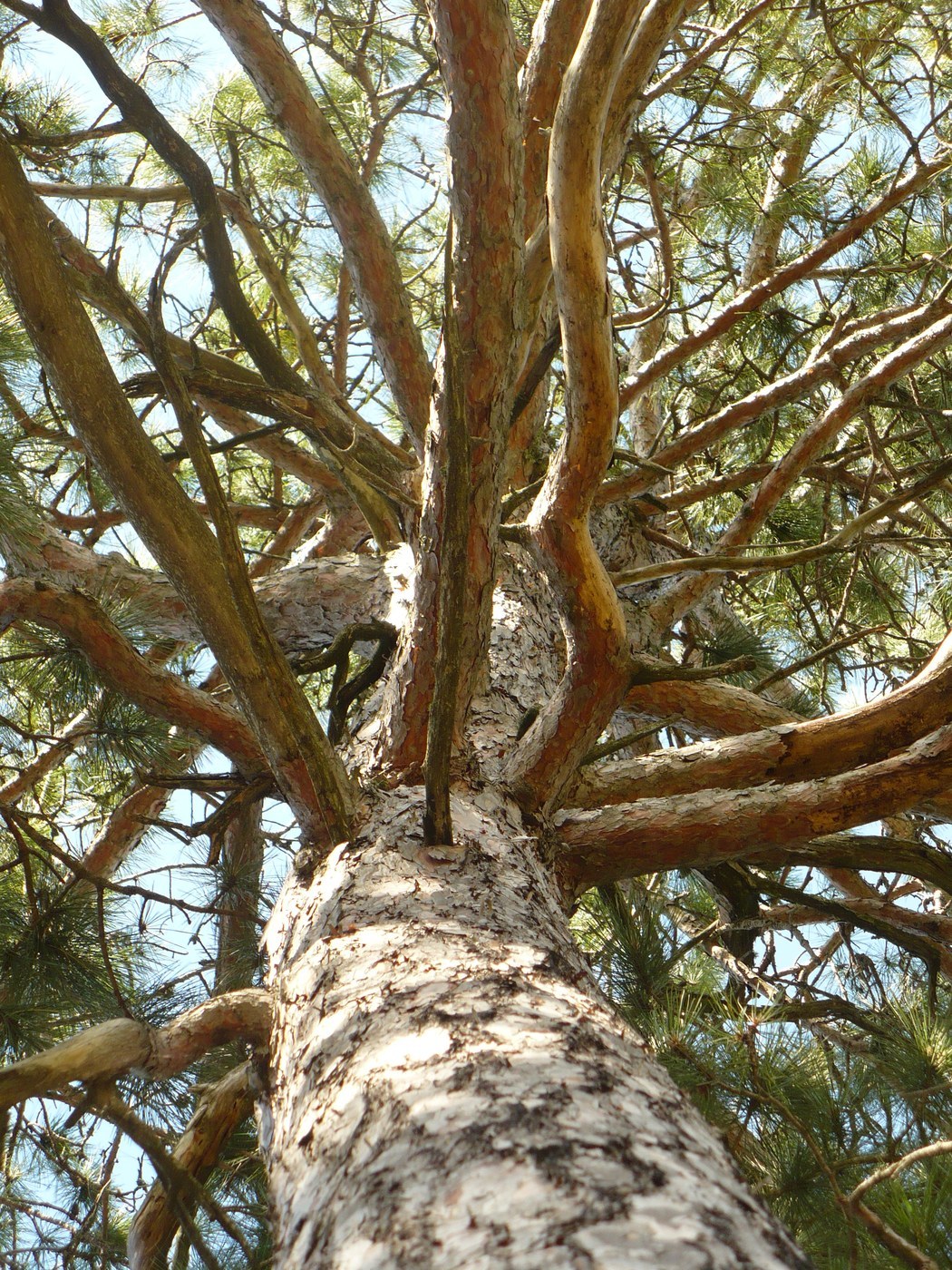
Red pine (Pinus resinosa) is a tall, stately native conifer known for its reddish-brown, plated bark and long, dark green needles borne in pairs. Straight-trunked and cold-hardy, it makes an excellent landscape and windbreak tree for large properties in cool climates.
Light
Red pine demands full sun and is intolerant of shade. Give it an open, unobstructed site with sunlight all day. In shaded or crowded conditions it grows sparse and weak, so avoid planting it beneath larger trees or on the north side of buildings.
Water
Water regularly the first year or two to help roots establish. Once established, red pine is notably drought tolerant and rarely needs supplemental water except during extended dry spells. It strongly prefers well-drained soil and resents wet, waterlogged ground.
Soil & Potting
This pine thrives in dry, sandy, or well-drained acidic soils and is well adapted to poor, infertile sites. Sharp drainage is more important than richness. It performs poorly in heavy, compacted, or perpetually soggy clay, so amend or choose a site accordingly.
Humidity & Temperature
Red pine is very cold-hardy and suited to northern, temperate climates with cold winters. It does not require any humidity management as a landscape tree. It is well adapted to harsh winters but is less comfortable in hot, humid southern regions.
Feeding
Established red pines rarely need feeding and are naturally adapted to lean soils. If growth is poor on a very depleted site, a light application of a balanced or acid-forming fertilizer in early spring can help. Avoid over-fertilizing, which encourages weak, excessive growth.
Propagation
Red pine is propagated almost exclusively from seed. Cones are collected, dried to release seed, and the seed is often cold-stratified before sowing to improve germination. Seedlings are grown in nursery beds or containers before transplanting to a permanent site.
Repotting / Pruning
As a large landscape tree, red pine needs little pruning beyond removing dead, damaged, or crossing branches. Prune in late winter or early spring while dormant. It has a naturally clean, straight form and does not respond well to heavy shearing, so keep pruning light.
Common Problems & Pests
Red pine can be affected by needle cast fungal diseases, pine bark beetles, sawflies, and shoot borers. Good spacing, full sun, and healthy vigor reduce problems. Avoid wet sites, which invite root disease. Removing dead or infested wood promptly helps limit pest spread.
Seasonal Care Tips
Plant in spring or early fall to give roots time to establish before extreme weather. Water new trees through their first summers, then let them fend for themselves. Prune in late winter dormancy, and monitor for needle disease and beetle activity during the growing season.
Frequently asked questions
How much sun does a red pine need?
Red pine requires full sun all day and is intolerant of shade. Plant it in an open site away from larger trees or structures that would cast shade.
Is red pine drought tolerant?
Yes. Once established after the first year or two, red pine is quite drought tolerant and rarely needs extra water except in prolonged dry spells.
What soil is best for red pine?
It favors dry, sandy, well-drained, slightly acidic soils and tolerates poor, infertile ground. Sharp drainage matters most; it does poorly in soggy clay.
When should I prune red pine?
Prune in late winter or early spring while dormant, removing only dead, damaged, or crossing branches. It has a naturally clean form and dislikes heavy shearing.