
How to Care for Shallot
Grow shallots easily from sets in full sun and well-drained soil, with slender upright foliage and clustering bulbs.
Read the full Shallot encyclopedia entry →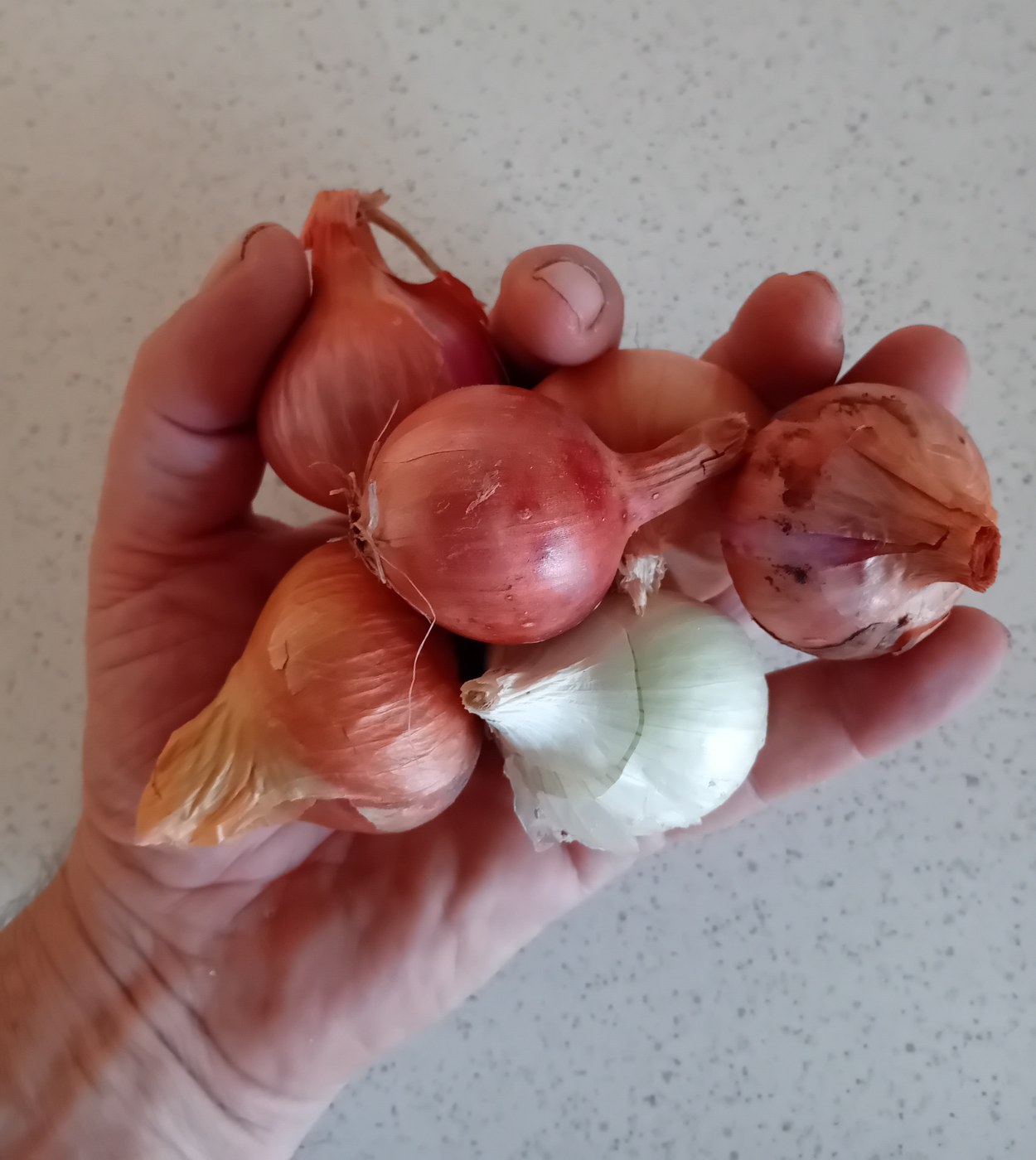
The shallot (Allium cepa var. aggregatum) is a clumping member of the onion group grown as a cool-season crop, forming a tight cluster of bulbs from a single planted set. It is easy, undemanding, and one of the most reliable alliums for the home garden bed.
Light
Give shallots full sun, a minimum of six hours of direct light daily. Strong sun drives vigorous top growth and good bulb development. In too much shade the clumps stay small and the foliage flops.
Water
Provide moderate, even moisture during the active growing period, roughly an inch of water per week. Keep the soil consistently damp but never soggy while foliage bulks up. Reduce watering as the bulbs mature and the tops begin to yellow and fall over, which helps the clusters firm up and cure.
Soil & Potting
Plant in loose, fertile, well-drained soil rich in organic matter, with a near-neutral pH around 6.0 to 7.0. Work in compost before planting. Heavy, wet clay leads to rot, so raised beds or amended soil improve results. In containers, use a deep pot with free-draining potting mix.
Humidity & Temperature
Shallots are cool-season growers that establish best in cool weather and bulk up as temperatures warm. They tolerate light frost. In mild-winter regions, sets planted in autumn overwinter and mature in early summer; elsewhere, plant in early spring as soon as soil can be worked.
Feeding
Feed with a balanced fertilizer at planting and side-dress with a nitrogen source a few weeks into growth to support leafy top growth, which fuels bulb formation. Ease off feeding once bulbs begin to swell. Avoid excess nitrogen late in the season, which delays maturity.
Propagation
Shallots are grown mainly from sets (individual bulbs), each of which multiplies into a cluster. Press sets root-end down into the soil with the tip just at the surface, spaced about 6 inches apart. They can also be started from seed, though sets are faster and more common.
Repotting / Pruning
Little pruning is needed. Keep the bed weeded, as shallots compete poorly with weeds. When roughly two-thirds of the tops have yellowed and bent over, the clumps are mature; lift them carefully and cure the bulbs in a dry, airy, shaded spot before storage.
Common Problems & Pests
Watch for onion thrips, onion fly maggots, and downy mildew or neck rot in wet, crowded conditions. Good drainage, proper spacing, and crop rotation away from other alliums reduce disease. White rot in the soil can persist for years, so avoid replanting alliums in affected beds.
Seasonal Care Tips
Spring: plant sets early and keep soil evenly moist. Early summer: side-dress and weed diligently. Midsummer: taper off water as tops flop. After lifting: cure bulbs thoroughly in a dry, ventilated place, then store the healthiest bulbs to replant next season.
Frequently asked questions
When should I plant shallot sets?
Plant in early spring as soon as the soil is workable, or in autumn in mild-winter climates for an early-summer clump. They establish best in cool weather.
Why did my shallots stay small?
Small clumps usually result from too much shade, crowded spacing, weed competition, or poor drainage. Full sun, roughly 6-inch spacing, and loose fertile soil produce larger clusters.
How do I know when to lift them?
When about two-thirds of the tops have yellowed and fallen over, the bulbs are mature. Stop watering, then lift on a dry day and cure them in a shaded, airy spot.
Can I grow shallots in pots?
Yes. Use a deep, wide container with free-draining potting mix, place it in full sun, and keep moisture even. Containers work well where garden soil is heavy or poorly drained.