
How to Care for Siberian Fir
Siberian Fir (Abies sibirica) is a cold-hardy conifer needing cool, moist soil and full sun to part shade for its soft, fragrant needles.
Read the full Siberian Fir encyclopedia entry →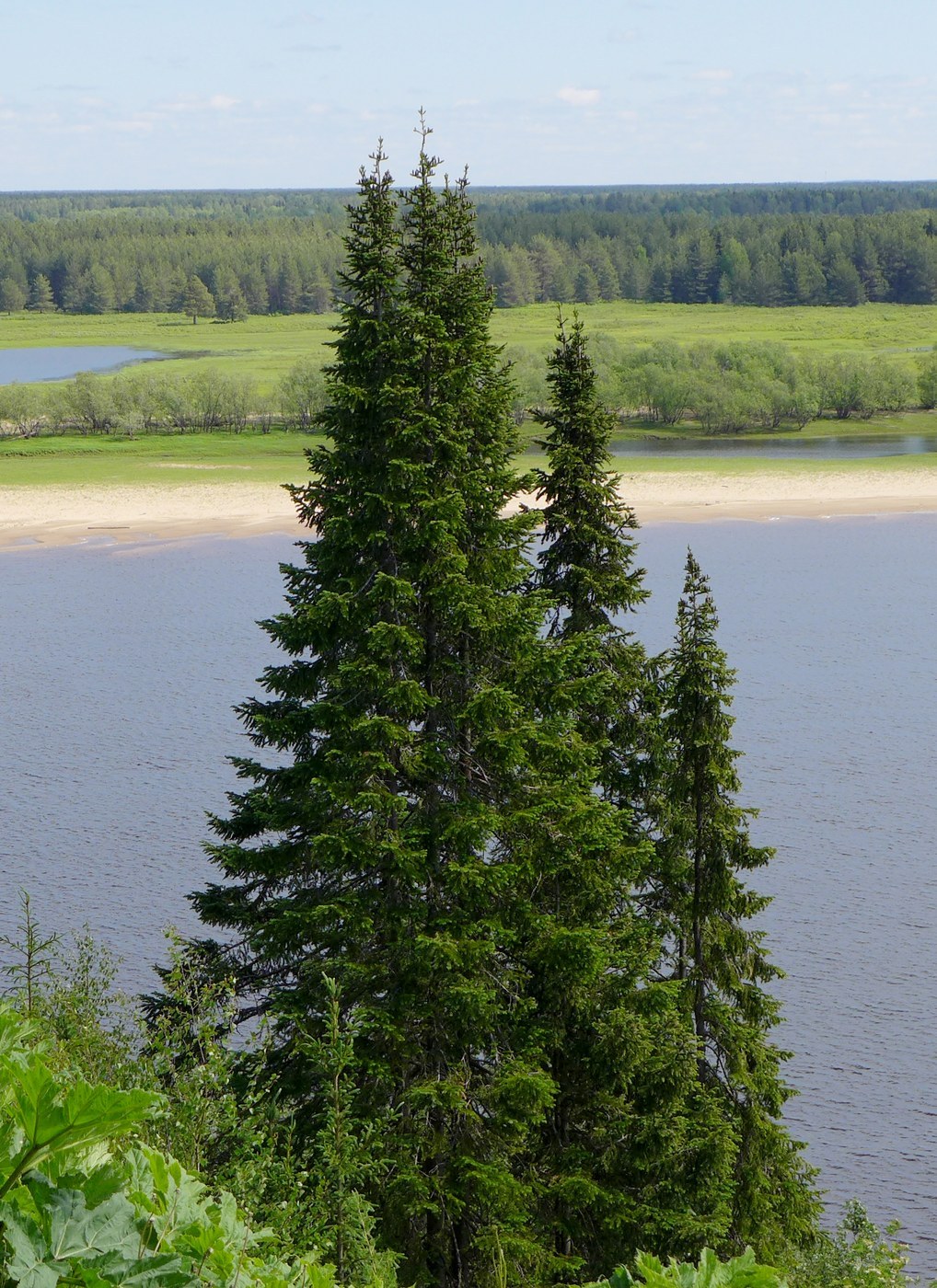
Siberian Fir (Abies sibirica) is a graceful, cold-hardy evergreen conifer with soft, aromatic needles and a narrow, conical form. Native to cool northern forests, it thrives in climates with cold winters and cool, moist summers and can struggle in heat and drought.
Light
Siberian Fir grows well in full sun to part shade. It appreciates full sun in cool climates for the densest form, while some afternoon shade is beneficial in warmer or drier regions. Young trees tolerate more shade than mature specimens.
Water
Keep the soil consistently moist and cool. This fir is not drought tolerant and prefers steady moisture, especially while young and during dry spells. Water deeply and mulch to keep roots cool, but avoid stagnant, waterlogged conditions that suffocate the roots.
Soil & Potting
Plant in deep, moist, well-draining soil that is slightly acidic and rich in organic matter. It resents dry, compacted, or alkaline soils. A generous organic mulch layer mimics its native forest floor and helps retain moisture and moderate soil temperature.
Humidity & Temperature
Extremely cold hardy, Siberian Fir is built for harsh winters and cool summers. It prefers moderate to high atmospheric moisture and dislikes prolonged heat, drying winds, and urban pollution. Cool, humid mountain-like conditions suit it best.
Feeding
Feed lightly in early spring with a slow-release fertilizer formulated for conifers or evergreens if growth is sluggish or the soil is poor. Established firs in good soil need little feeding. Avoid heavy or late-season fertilizing that pushes tender growth.
Propagation
Siberian Fir is usually propagated from seed, which benefits from a period of cold stratification to break dormancy. Sow in a cool, moist medium and be patient, as germination and early growth are slow. Cultivars are sometimes grafted.
Repotting / Pruning
These conifers need little pruning; simply remove dead, damaged, or crossing branches to maintain a clean shape and let the tree keep its natural form. Container-grown young firs can be potted up as they outgrow their pots, but they are ultimately landscape trees.
Common Problems & Pests
Heat and drought stress are the most common problems, causing needle browning and dieback in unsuitable climates. Watch for adelgids, aphids, spider mites, and bark beetles, plus fungal needle casts and root rot in poorly drained ground. Good siting in cool, moist, well-drained soil prevents most issues.
Seasonal Care Tips
Plant in early spring or autumn so roots establish in cool weather. Mulch to protect roots and conserve moisture through summer, watering during dry spells. In winter its natural hardiness carries it through cold with ease; simply ensure it is not sitting in waterlogged soil.
Frequently asked questions
Does Siberian Fir tolerate hot climates?
Not well. It is adapted to cold winters and cool summers and struggles with prolonged heat and drought, showing needle browning and dieback in warm regions.
How much water does Siberian Fir need?
It likes consistently moist, cool soil and is not drought tolerant. Water deeply during dry spells, especially when young, and mulch to keep the roots cool and evenly damp.
Does Siberian Fir need pruning?
Very little. Just remove dead, damaged, or crossing branches. Let the tree keep its naturally narrow, conical form rather than shaping it heavily.
How cold hardy is Siberian Fir?
Extremely hardy. It is native to harsh northern forests and easily withstands severe winter cold, making its main limitation heat rather than cold.