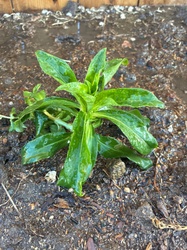
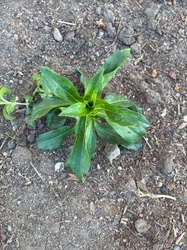
How to Care for Snapdragon
Grow tall, colorful snapdragon spikes with full sun, steady moisture, and regular deadheading for months of cool-season blooms.
Read the full Snapdragon encyclopedia entry →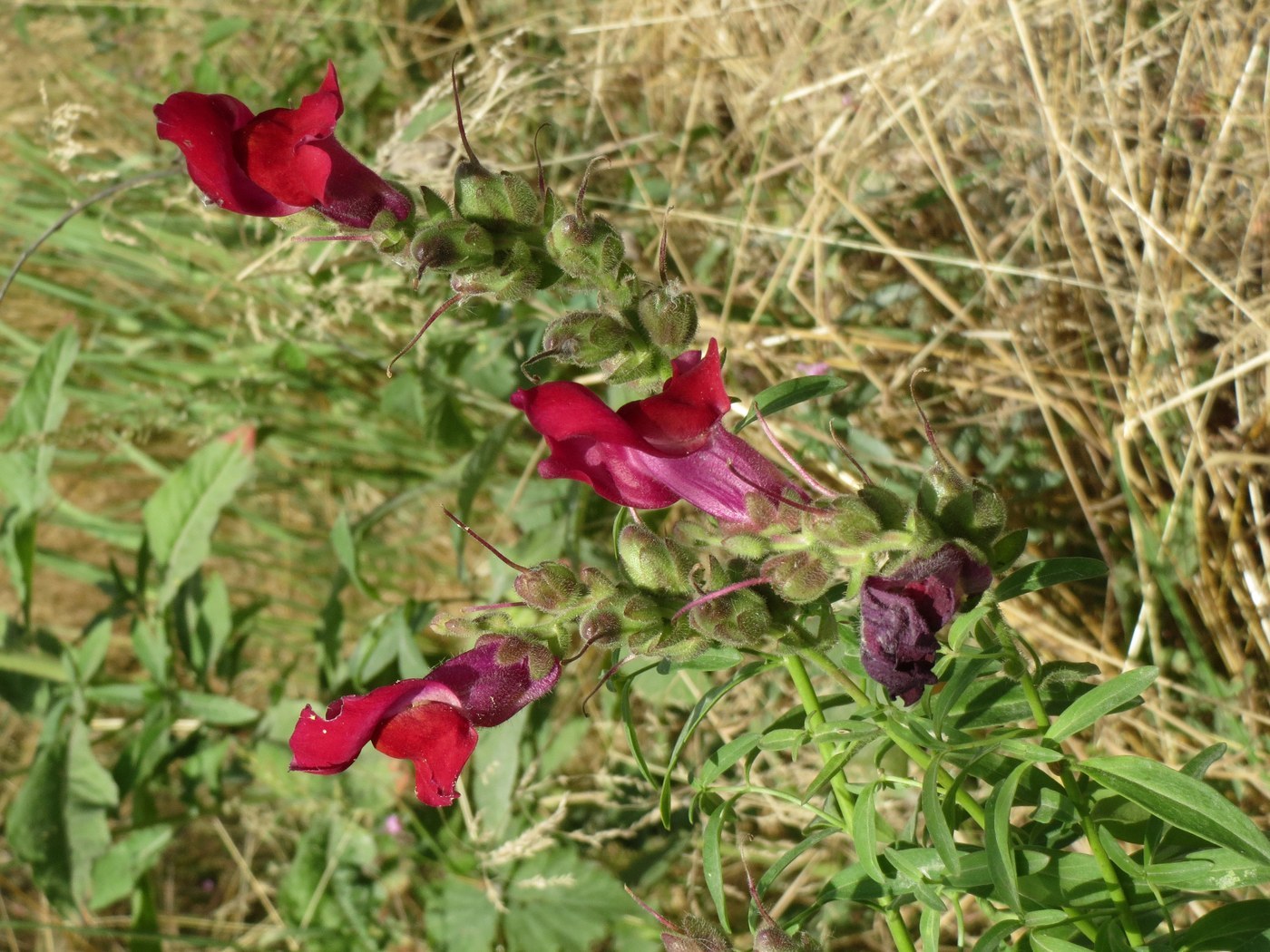
Snapdragons (Antirrhinum majus) are classic cottage-garden flowers prized for their upright spikes of hinged, dragon-mouthed blooms in nearly every color. They are easy, cool-season performers that reward steady moisture and bright light with a long, generous show.
Light
Give snapdragons full sun for the strongest stems and heaviest flowering, though they tolerate partial shade, especially in hot regions where afternoon shade helps blooms last longer. At least 6 hours of direct sun keeps plants compact and prevents floppy, stretched growth. In low light they bloom sparsely and lean toward the brightest source.
Water
Keep the soil evenly moist but never waterlogged. Snapdragons dislike drying out completely, which can stall flowering and stress the plant, but they also resent standing water around the roots. Water at the base to keep foliage dry and reduce disease, aiming for about an inch of water per week and more during heat. Mulch helps hold consistent moisture.
Soil & Potting
Plant in fertile, well-draining soil rich in organic matter with a neutral to slightly alkaline pH. Work compost into beds before planting. In containers, use a quality potting mix and ensure the pot has drainage holes; dwarf and mid-height varieties adapt well to pots and window boxes.
Humidity & Temperature
Snapdragons are true cool-season plants that thrive in temperatures between roughly 50 to 70 F. They flourish in spring and fall and often stall in summer heat, sometimes reviving as temperatures cool. Established plants tolerate light frost and can overwinter in mild climates. High humidity encourages fungal issues, so prioritize airflow.
Feeding
Feed with a balanced, water-soluble fertilizer every two to four weeks during active growth, or work a slow-release granular feed into the soil at planting. Phosphorus supports strong flowering. Avoid overfeeding with high nitrogen, which promotes leafy growth at the expense of blooms.
Propagation
Snapdragons are most easily grown from seed. Surface-sow the tiny seeds since they need light to germinate, keep them cool and moist, and expect germination in one to three weeks. Start indoors 6 to 10 weeks before the last frost for early bloom. Softwood stem cuttings can also root to preserve a favorite plant.
Repotting / Pruning
Pinch young plants when they reach a few inches tall to encourage bushier, multi-stemmed growth. Deadhead spent spikes promptly to prolong flowering and prevent seed set. After a heavy flush, cutting stems back by about a third often triggers a fresh round of blooms. Repot container plants only if roots crowd the pot.
Common Problems & Pests
Rust is the most common snapdragon problem, appearing as brown pustules on leaf undersides; choose rust-resistant varieties, water at the base, and space plants for airflow. Watch also for downy mildew, gray mold in damp weather, aphids, and spider mites. Remove affected foliage promptly and avoid overhead watering.
Seasonal Care Tips
Plant in early spring or fall for the best display. In hot summers, expect a lull and shear plants back to encourage a fall rebound. In mild-winter areas, fall plantings can bloom through winter into spring. Where winters are harsh, treat snapdragons as annuals or protect crowns with mulch.
Frequently asked questions
Why did my snapdragons stop blooming in summer?
Snapdragons are cool-season plants and often pause flowering in summer heat. Keep them watered and shear them back by about a third; many will rebound with a fresh flush when temperatures cool in fall.
How do I get bushier snapdragon plants?
Pinch out the growing tips when seedlings are a few inches tall. This encourages side branching, producing more stems and more flower spikes instead of one tall, floppy stalk.
Do snapdragons come back every year?
In mild climates they can behave as short-lived perennials and overwinter, but in most gardens they are grown as cool-season annuals. They also self-sow readily from dropped seed.
What is the brown spotting on my snapdragon leaves?
That is likely rust, a common fungal disease. Water at the base rather than overhead, improve air circulation, remove affected leaves, and choose rust-resistant varieties for future plantings.
Snapdragon identified by the community
Recent Snapdragon specimens identified with Plant Identifier.