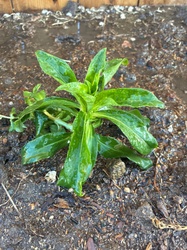
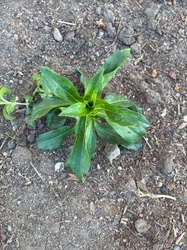
Snapdragon Identification Guide
Identify snapdragons by their tall spikes of two-lipped pouched flowers that snap open when squeezed, lance-shaped leaves, and cool-season bloom.
Read the full Snapdragon encyclopedia entry →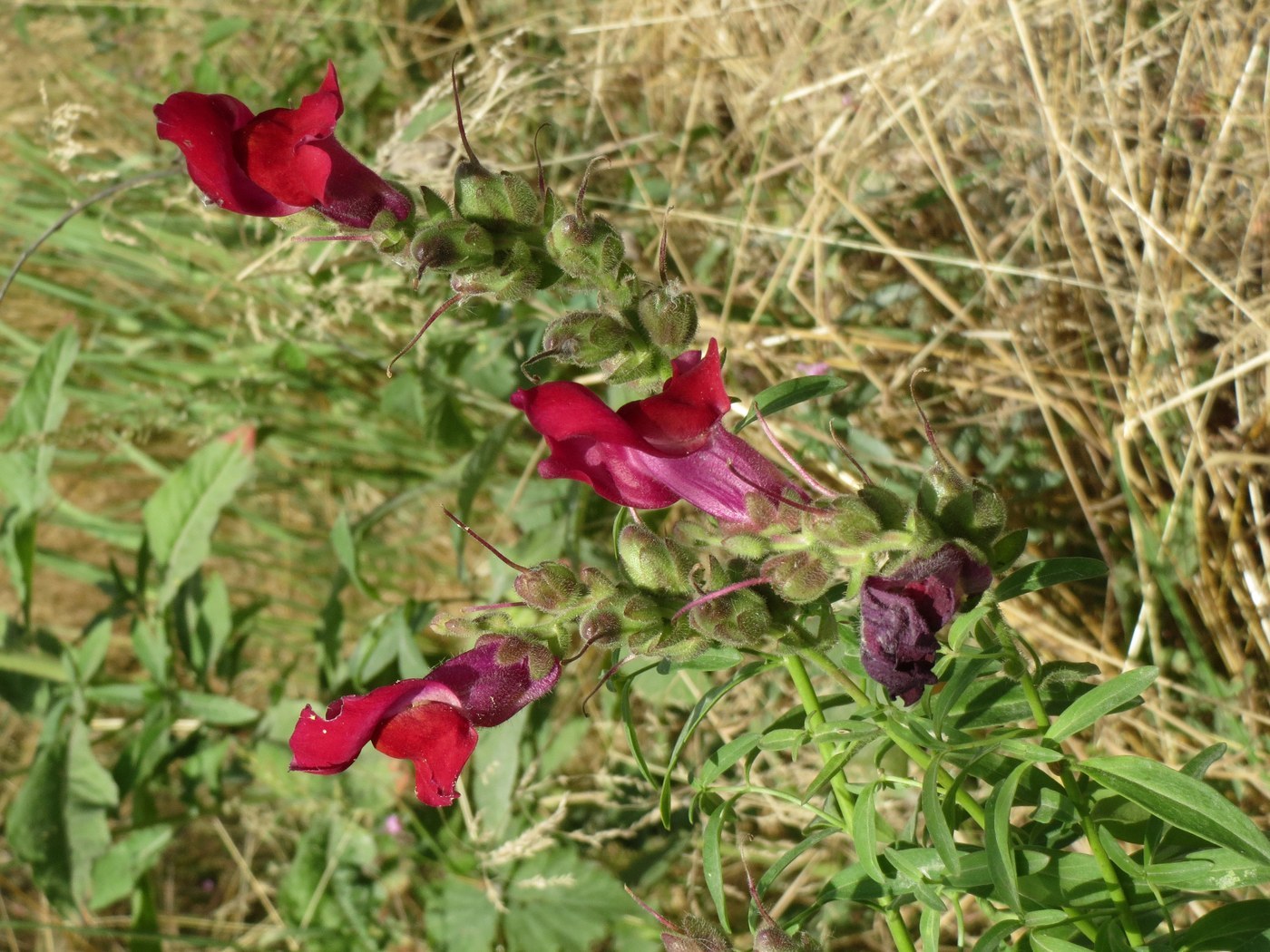
Key Identifying Features
Snapdragons (Antirrhinum majus) are short-lived perennials grown as cool-season annuals in the plantain family (Plantaginaceae). They get their name from a charming flower trick. Look for:
- Tall vertical spikes of densely packed flowers.
- Two-lipped, pouched (closed) flowers that "snap" open like a dragon's mouth when pinched at the sides.
- Narrow lance-shaped leaves on upright stems.
Leaves & Stems
Snapdragon leaves are lance-shaped to narrowly oblong, 1–3 inches long, smooth-edged, and bright to deep green. They are arranged alternately (sometimes opposite low on the stem) along erect, sturdy, often branching stems. Plants range from dwarf (6 inches) to tall (3 feet) depending on variety. Stems are green, sometimes flushed reddish, and somewhat firm. The overall form is upright with the flower spike topping each stem.
Flowers & Fruit
The flower is the key ID feature: a two-lipped (bilabiate) tubular bloom with an upper and lower lip that close over a pouch-like throat. Squeezing the sides makes the "jaws" snap open — a definitive test. Flowers crowd into a terminal raceme (spike) that opens from the bottom upward. Colors are vast — red, pink, yellow, orange, white, purple, bronze, and bicolors — but never true blue. Bloom peaks in cool spring and fall. After flowering, a distinctive skull-like seed capsule with holes forms, sometimes called a "dragon skull."
How to Tell It Apart from Look-Alikes
- Toadflax (Linaria): Related and similar two-lipped flowers, but much smaller with a long backward spur, and airy, finer foliage.
- Penstemon: Tubular two-lipped flowers too, but open-mouthed (not snapping closed) and arranged in looser, more open clusters.
- Foxglove (Digitalis): Tall spikes of tubular flowers, but bells are open-throated and spotted inside, not pinched into snapping lips.
The closed two-lipped flower that snaps open when squeezed, plus the skull-like seed pods, are unique to snapdragons.
Where You'll Find It
Snapdragons are popular bedding, border, and cut-flower plants for cool seasons. They prefer full sun and well-drained soil and tolerate light frost, blooming best in spring and fall and through mild winters; they fade in summer heat. You'll find them in flower beds, cottage gardens, and cutting gardens, and they sometimes self-seed and naturalize on walls and waste ground.
Quick ID Checklist
- Tall flower spike opening bottom to top
- Two-lipped pouched flowers that snap open when squeezed
- Narrow lance-shaped leaves on upright stems
- Wide color range but no true blue
- Skull-like seed capsules after bloom
- Peak bloom in cool spring and fall
Frequently asked questions
How do I do the snapdragon snap test?
Gently squeeze the sides of an open flower near its base and the two lips will open like a dragon's mouth, then close when released. This snapping action is the most reliable way to identify a snapdragon.
How can I tell a snapdragon from a penstemon?
Snapdragon flowers are pouched and stay closed until squeezed open, while penstemon flowers have an open mouth and don't snap shut. Snapdragons also pack their blooms into a denser vertical spike.
What are the skull-shaped pods on snapdragons?
After flowering, snapdragons form dry seed capsules with openings that resemble a small skull or dragon head. These dragon-skull pods are a quirky but dependable identification clue.
When do snapdragons bloom best?
Snapdragons are cool-season flowers that bloom most heavily in spring and fall and through mild winters. They tend to stall and decline during hot summer weather.
Snapdragon identified by the community
Recent Snapdragon specimens identified with Plant Identifier.