How to Care for Soursop
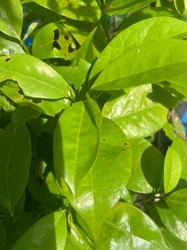
Soursop is a tender tropical tree with glossy leaves and dramatic flowers. Demanding of warmth and moisture, it rewards patient, frost-free growers.
Read the full Soursop encyclopedia entry →
Soursop (Annona muricata) is a small tropical evergreen tree with glossy, dark green leaves and unusual, waxy cream-colored flowers. It is a demanding subject: strictly frost-tender, thirsty, and intolerant of cold or dry soil, which is why it earns a "Hard" rating outside true tropical climates.
Light
Give soursop full sun to partial shade. Mature trees flower and fruit best in full sun, but young trees appreciate light afternoon shade in the fiercest heat. Indoors or in a greenhouse, place it at the brightest possible window or under strong grow lights; insufficient light leads to weak, stretched growth.
Water
Keep the soil consistently moist and never let the root zone dry out. Soursop has a shallow, moisture-loving root system and drops leaves or aborts flowers when drought-stressed. Water deeply and regularly, increasing frequency in hot, dry weather. At the same time avoid standing water, which suffocates roots, so pair steady moisture with good drainage.
Soil & Potting
Plant in deep, rich, well-draining soil high in organic matter, ideally slightly acidic to neutral. Sandy loams amended with compost work well. In containers, use a fertile, free-draining tropical mix and a large, deep pot with ample drainage holes to accommodate the vigorous roots.
Humidity & Temperature
This is a warm-tropical tree that wants high humidity and steady warmth, ideally 25-30 C (77-86 F). It is extremely cold-sensitive: temperatures near or below about 5 C (41 F) cause serious damage, and frost can kill it. Protect it from cold drafts and never let it experience a chill. In dry climates, mist or grow it in a humid greenhouse.
Feeding
Soursop is a moderately heavy feeder. Apply a balanced fertilizer regularly through the warm growing season, tapering off in cooler months. Young trees benefit from feeding every 6-8 weeks; supplement with compost or well-rotted organic matter to sustain lush, healthy foliage and support flowering.
Propagation
Most commonly grown from fresh seed, which germinates in a few weeks in warm, moist conditions. Named selections are propagated by grafting or budding onto seedling rootstock to preserve their characteristics and speed up maturity. Seedlings take several years to reach flowering size.
Repotting / Pruning
Repot container specimens every year or two into a larger pot as they grow, refreshing the mix. Prune to shape the young tree, encourage a strong branch framework, and keep it to a manageable height, removing dead, crossing, or weak wood. Light annual pruning after the main flush of growth keeps trees productive and open.
Common Problems & Pests
Mealybugs and scale insects are frequent pests, often tended by ants; wipe them off or treat with horticultural oil or insecticidal soap. Aphids attack tender new growth. Anthracnose and other fungal diseases can spot leaves and blacken flowers in overly wet, poorly ventilated conditions. Leaf drop usually signals cold exposure or drought. Root rot follows waterlogged soil.
Seasonal Care Tips
During the warm growing season, water and feed generously and enjoy active growth. As temperatures fall, reduce feeding and water somewhat, but never let the soil dry completely. In marginal climates, move container trees into a warm, bright, frost-free space well before the first cold nights and keep them cozy until warmth returns.
Frequently asked questions
Why is my soursop dropping its leaves?
Leaf drop is almost always caused by cold exposure or letting the soil dry out. Keep the tree warm, well above chilly temperatures, and maintain consistently moist soil.
Can soursop be grown in a pot?
Yes, in a large, deep, free-draining container with a rich tropical mix. Potted trees stay smaller and can be moved indoors or into a greenhouse to escape cold, which is essential outside the tropics.
How cold can soursop tolerate?
Not very. It is strictly frost-tender and suffers damage as temperatures approach about 5 C (41 F). Even a light frost can be fatal, so it needs consistent warmth year-round.
How is soursop propagated?
Usually from fresh seed sown in warm, moist conditions, or by grafting named selections onto seedling rootstock. Seed-grown trees take several years before they flower.
Soursop identified by the community
Recent Soursop specimens identified with Plant Identifier.