Sow Thistle Identification Guide
Identify sow thistle by its deeply lobed clasping leaves with soft prickly edges, milky sap, and dandelion-like yellow flowers that form fluffy seed heads.
Read the full Sow Thistle encyclopedia entry →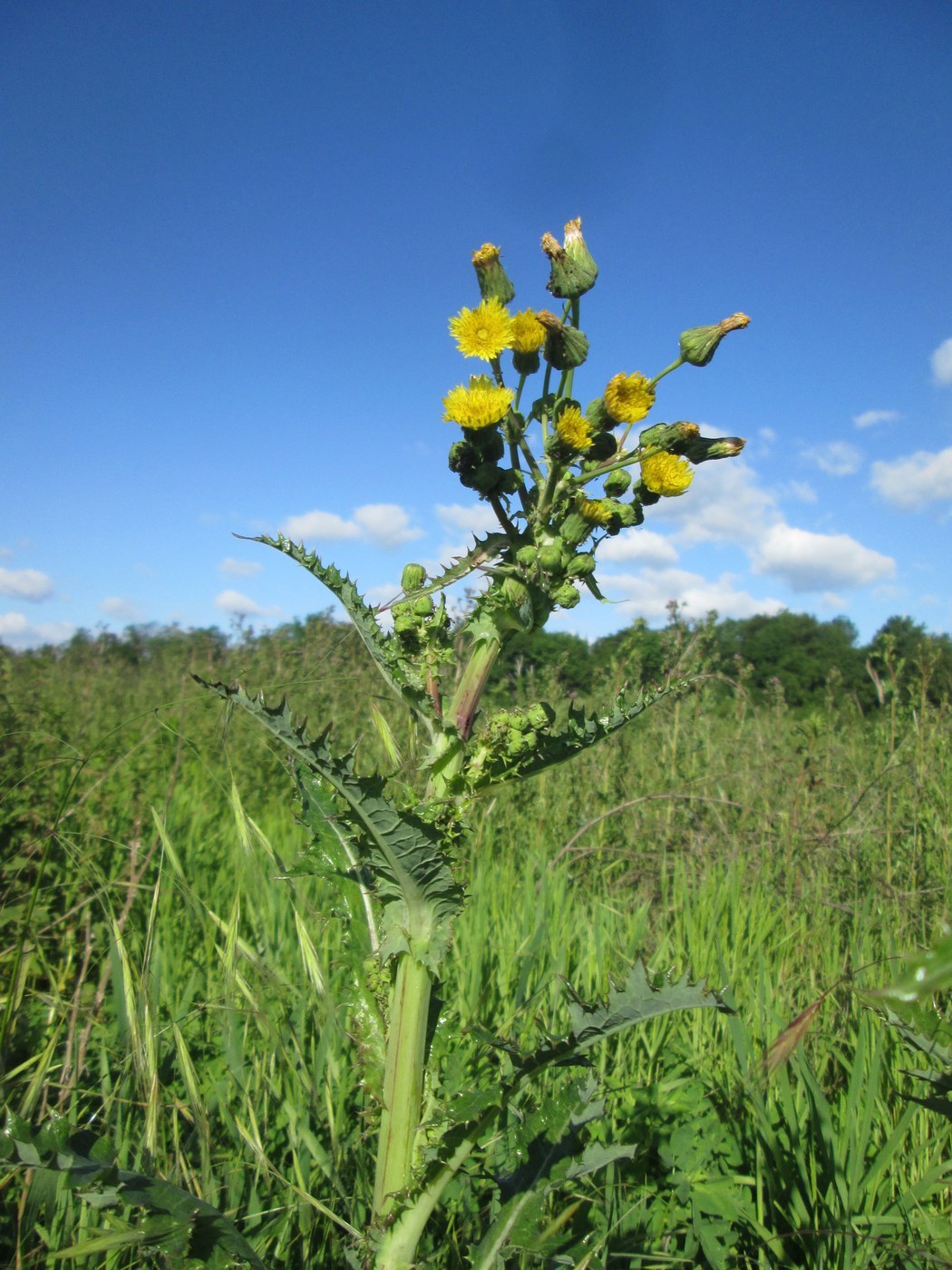
Key Identifying Features
Sow thistle (Sonchus species, including S. oleraceus and S. arvensis) is a weedy plant that looks like a tall, branched dandelion. Its key features are deeply lobed leaves with soft, weakly prickly margins that clasp the stem with rounded, ear-like bases, milky sap that flows from broken stems, and clusters of yellow dandelion-like flowers that mature into fluffy white seed heads. Unlike true thistles, the prickles are soft and not seriously spiny.
- Deeply lobed leaves with clasping, ear-shaped bases
- Milky white sap when stems are broken
- Yellow ray flowers like a dandelion
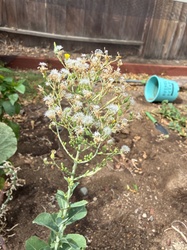
- Fluffy white windborne seed heads
Leaves & Stems
Leaves are alternate, deeply pinnately lobed, with margins lined by soft, weak prickles that are not painfully sharp. The leaf bases clasp the stem with distinctive rounded, pointed, ear-like lobes (auricles) — a strong ID clue. Lower leaves are largest; upper leaves are smaller and less divided. Stems are erect, hollow, often somewhat ridged, and exude milky latex when cut. The plant can reach 1 to 6 feet tall.
Flowers & Fruit
Flower heads are yellow and composed entirely of ray florets, looking like smaller dandelion flowers, borne in loose clusters at the stem tips. After blooming they form round, fluffy white pappus seed heads that disperse on the wind. Annual sow thistle (S. oleraceus) has softer leaves; perennial sow thistle (S. arvensis) has larger, brighter flowers and spreads by creeping roots.
How to Tell It Apart from Look-Alikes
- Dandelion: Has a single flower per leafless stalk and a basal rosette only; sow thistle is tall and branched with leafy, clasping stems.
- True thistles (Cirsium, Carduus): Have rigid, sharply spiny leaves and spiny stems; sow thistle prickles are soft and the sap is milky.
- Prickly lettuce (Lactuca serriola): Also has milky sap and clasping leaves but bears a row of spines along the leaf underside midrib and smaller flowers.
Where You'll Find It
Sow thistle grows in gardens, crop fields, roadsides, vacant lots, fence rows, and disturbed ground across temperate regions worldwide. It favors moist, fertile, sunny sites and germinates across the growing season, flowering from late spring into fall.
Quick ID Checklist
- Deeply lobed leaves with soft prickly margins
- Leaf bases clasp the stem with ear-like lobes
- Milky white sap from broken stems
- Yellow dandelion-like flowers in clusters
- Fluffy white wind-dispersed seed heads
Clasping lobed leaves with soft prickles plus milky sap and yellow flowers confirm sow thistle.
Frequently asked questions
Is sow thistle a real thistle?
No. Despite the name and the prickly leaf edges, sow thistle is in the genus Sonchus, not the true thistle genera. Its prickles are soft and weak rather than sharply spiny, and it has milky sap and dandelion-like flowers.
How do I tell sow thistle from a dandelion?
Dandelions form a basal rosette with a single flower on each leafless stalk, while sow thistle grows tall and branched with leafy stems whose lobed leaves clasp the stem. Both have yellow flowers and milky sap.
What is the milky sap?
Sow thistle stems contain a white latex that flows when the plant is broken. This milky sap, combined with the clasping lobed leaves and yellow flowers, is a reliable way to confirm the plant.
Sow Thistle identified by the community
Recent Sow Thistle specimens identified with Plant Identifier.