
How to Care for Spaghetti Squash
Grow Spaghetti Squash (Cucurbita pepo), a vigorous warm-season vine that needs full sun, rich soil, and deep, regular watering.
Read the full Spaghetti Squash encyclopedia entry →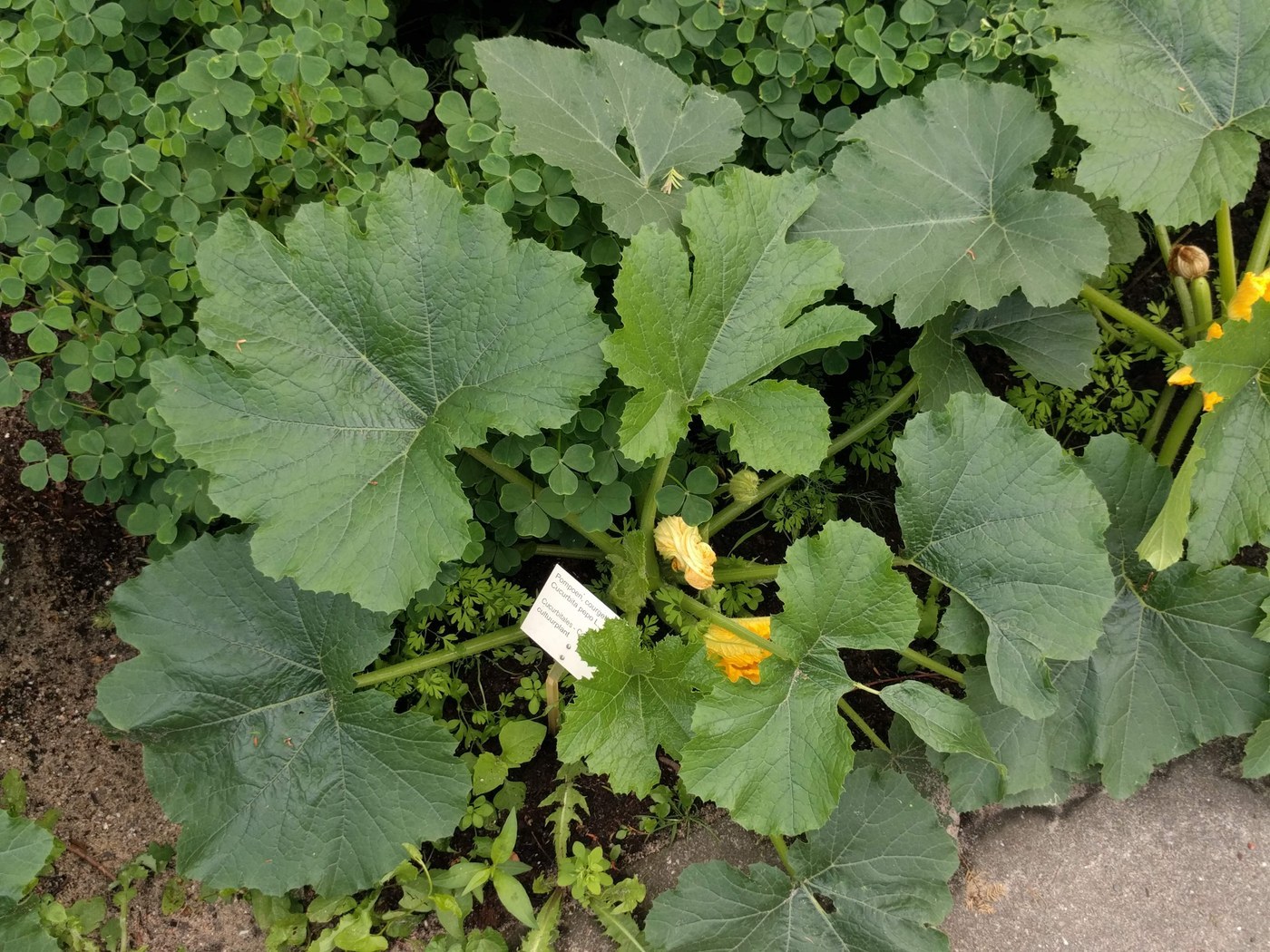
Spaghetti Squash (Cucurbita pepo) is a sprawling, warm-season vining plant grown for its ornamental fruit and lush foliage. It is easy to grow when given heat, sun, room to run, and steady moisture through the growing season.
Light
Full sun is essential. Give the vines at least six to eight hours of direct sunlight daily for strong growth and good fruit set. Shaded plants grow leggy, flower poorly, and are far more prone to disease.
Water
Water deeply and regularly. The large leaves transpire heavily, so aim for consistent moisture, especially once fruit is developing. Water at the base to keep foliage dry, soaking the root zone thoroughly rather than giving frequent shallow sprinkles. A thick mulch helps conserve soil moisture.
Soil & Potting
Spaghetti Squash wants rich, deep, well-drained soil high in organic matter, with a slightly acidic to neutral pH. Amend the bed generously with compost before planting. If growing in a container it needs a very large pot, at least 15 to 20 gallons, filled with fertile potting mix, plus a sturdy trellis or ample ground space.
Humidity & Temperature
This is a heat-loving plant that grows fastest in warm weather and is intolerant of frost. Do not plant until soil has warmed and all danger of frost has passed. It handles ambient humidity fine, though damp, still air raises the risk of leaf disease.
Feeding
Squash are hungry plants. Work compost or a balanced fertilizer into the soil at planting. Once vines begin to run and flower, feed periodically with a fertilizer that supports flowering and fruiting, easing off high-nitrogen feeds that produce leaves at the expense of fruit.
Propagation
Grow from seed sown directly in warm soil, or start indoors a few weeks before the last frost and transplant carefully, as squash resent root disturbance. Sow seeds about an inch deep in hills or rows and thin to the strongest seedlings once established.
Repotting / Pruning
Being an annual, it is not repotted. Pruning is minimal, but you can pinch off the fuzzy growing tips late in the season to steer the plant's energy into ripening existing fruit. Remove any diseased or yellowing leaves promptly to improve airflow.
Common Problems & Pests
Watch for powdery mildew, which coats leaves in white powder in humid or crowded conditions; space plants well and water at the base. Squash vine borers and squash bugs are common pests that damage stems and foliage; inspect regularly and remove them by hand. Poor fruit set often means too few pollinators, which hand-pollination between male and female flowers can fix.
Seasonal Care Tips
Start the season by planting only after the soil is reliably warm. Keep water and feeding steady through midsummer as vines and fruit expand. Toward the end of the season, reduce watering slightly and let the fruit rind harden and color fully before the first frost.
Frequently asked questions
How much space does Spaghetti Squash need?
A lot. Vines can run several feet in every direction, so give each plant ample ground room or train it up a strong trellis.
Why are the flowers not setting fruit?
Usually poor pollination. The plant makes separate male and female flowers; if pollinators are scarce, transfer pollen between them by hand.
How often should I water?
Deeply and regularly. Keep the root zone consistently moist, water at the base to keep leaves dry, and mulch to hold moisture.
Can I grow it in a container?
Yes, but only in a very large pot (15 to 20 gallons) with rich soil and either a sturdy trellis or plenty of room for the vine to sprawl.
When should I plant Spaghetti Squash?
Only after all frost danger has passed and the soil has warmed, since it is a heat-loving plant that is killed by cold.