
How to Care for Spinach
Grow Spinach (Spinacia oleracea) as a fast, cool-season leafy plant forming lush rosettes of tender dark-green leaves.
Read the full Spinach encyclopedia entry →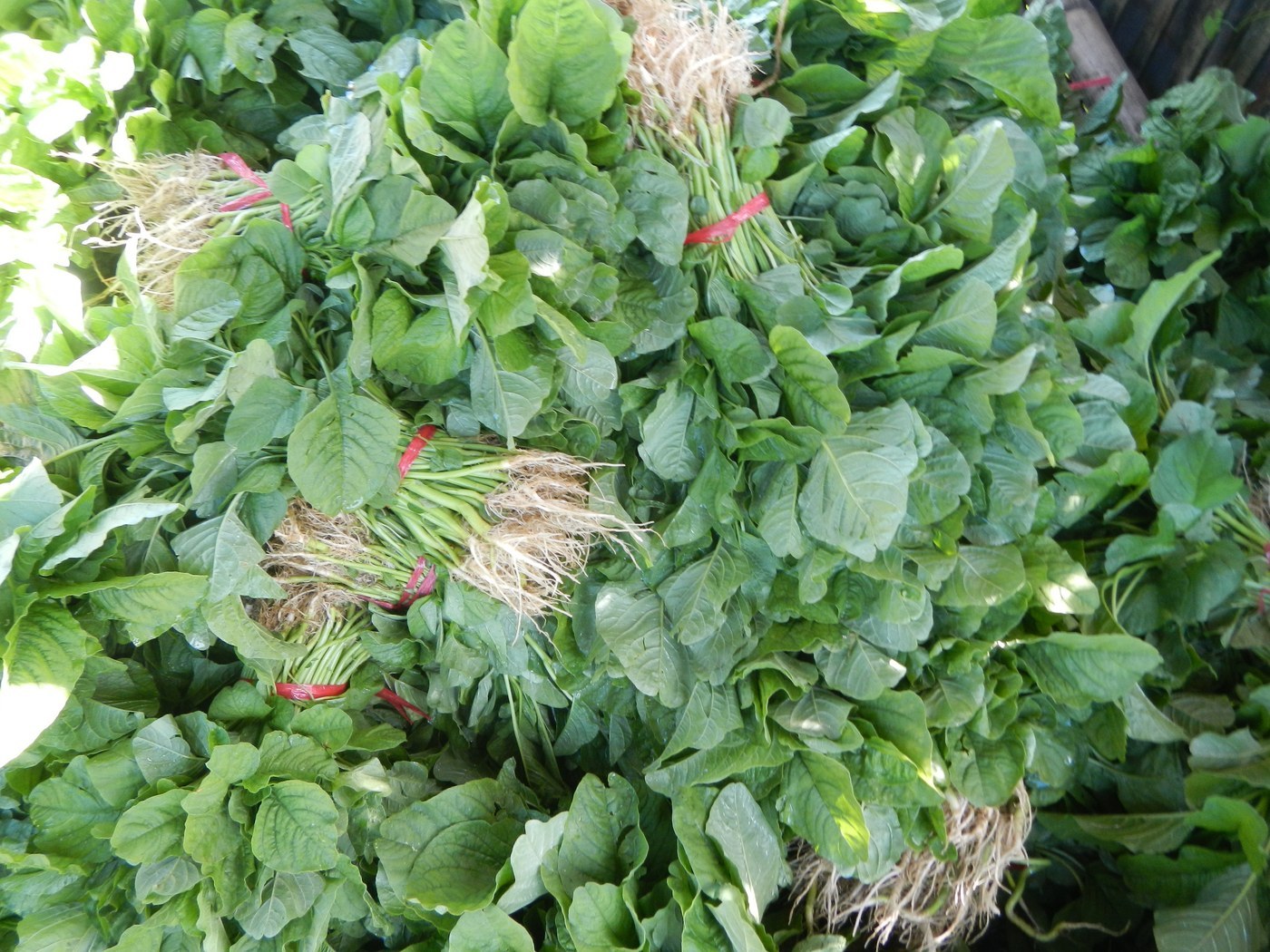
Spinach (Spinacia oleracea) is a fast-growing, cool-season leafy plant that forms neat rosettes of smooth or crinkled dark-green leaves. It is easy to grow and thrives in the cooler parts of the year, making it a favorite for spring and autumn gardens and containers.
Light
Give spinach full sun to part shade. In cool weather, full sun produces the fastest, fullest growth. As temperatures rise, a spot with afternoon shade helps keep the plants cool and slows their tendency to bolt into flower.
Water
Keep the soil consistently moist. Spinach has shallow roots and dislikes drying out, which stresses the plant and hastens bolting. Water evenly and regularly, aiming for steady moisture without waterlogging the bed or container.
Soil & Potting
Grow spinach in rich, well-draining soil high in organic matter. Work in compost before planting for the loose, fertile, moisture-retentive conditions it prefers. It grows well in beds and in containers at least 6-8 inches deep with good drainage.
Humidity & Temperature
Spinach is a true cool-season plant, thriving in temperatures of roughly 50-70 F (10-21 C). It tolerates light frost well and can even sweeten in cold weather. Heat is its enemy: once days grow long and warm, it quickly bolts and turns bitter, so time plantings for spring and fall.
Feeding
Spinach appreciates steady nitrogen for lush leaves. Amend the soil with compost at planting and apply a balanced or nitrogen-rich fertilizer once plants are established to support vigorous leafy growth.
Propagation
Grow spinach from seed, sown directly where it is to grow. Sow seeds about half an inch deep in cool soil in early spring or late summer, and thin seedlings to give each plant room to form a full rosette. Succession sow every couple of weeks for a continuous supply.
Repotting / Pruning
Spinach is a quick-turnaround plant rather than a long-term specimen, so repotting is rarely needed. Pinch out the central flower stalk if it begins to bolt to prolong leafy growth, and remove any yellowing outer leaves to keep the plant tidy.
Common Problems & Pests
Bolting in warm weather is the most common issue; choose cool-season timing and slow-bolt varieties. Downy mildew shows as yellow patches with fuzzy growth beneath the leaves, favored by damp, crowded conditions, so space plants and water at the base. Leaf miners tunnel pale trails inside leaves, and aphids can cluster on new growth; remove affected leaves and inspect regularly.
Seasonal Care Tips
Sow in early spring as soon as the soil can be worked, and again in late summer for an autumn flush. Protect fall plantings with a cover to extend the season into cold weather. Avoid summer sowings in hot climates, since heat and long days trigger rapid bolting.
Frequently asked questions
Why does my spinach flower and go to seed so quickly?
Spinach bolts, or sends up a flower stalk, in response to heat and lengthening days. Grow it in cool spring and fall weather, keep the soil moist, and choose slow-bolting types to delay it.
When is the best time to sow spinach?
Sow in early spring as soon as the soil can be worked, and again in late summer for an autumn crop. Spinach performs best in cool temperatures and struggles in summer heat.
Can I grow spinach in a container?
Yes. Use a container at least 6-8 inches deep with drainage holes and rich, moisture-retentive soil. Keep it evenly watered and give it full sun in cool weather or afternoon shade as it warms.
Why are the leaves of my spinach yellowing with fuzzy patches underneath?
This is a sign of downy mildew, which thrives in damp, crowded conditions. Space plants for airflow, water at the base rather than overhead, and remove affected leaves promptly.