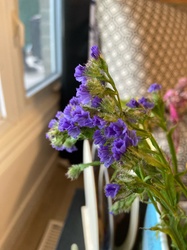
How to Care for Statice
Statice is an easy, drought- and salt-tolerant annual with papery, everlasting blooms — full sun and lean soil are all it needs.
Read the full Statice encyclopedia entry →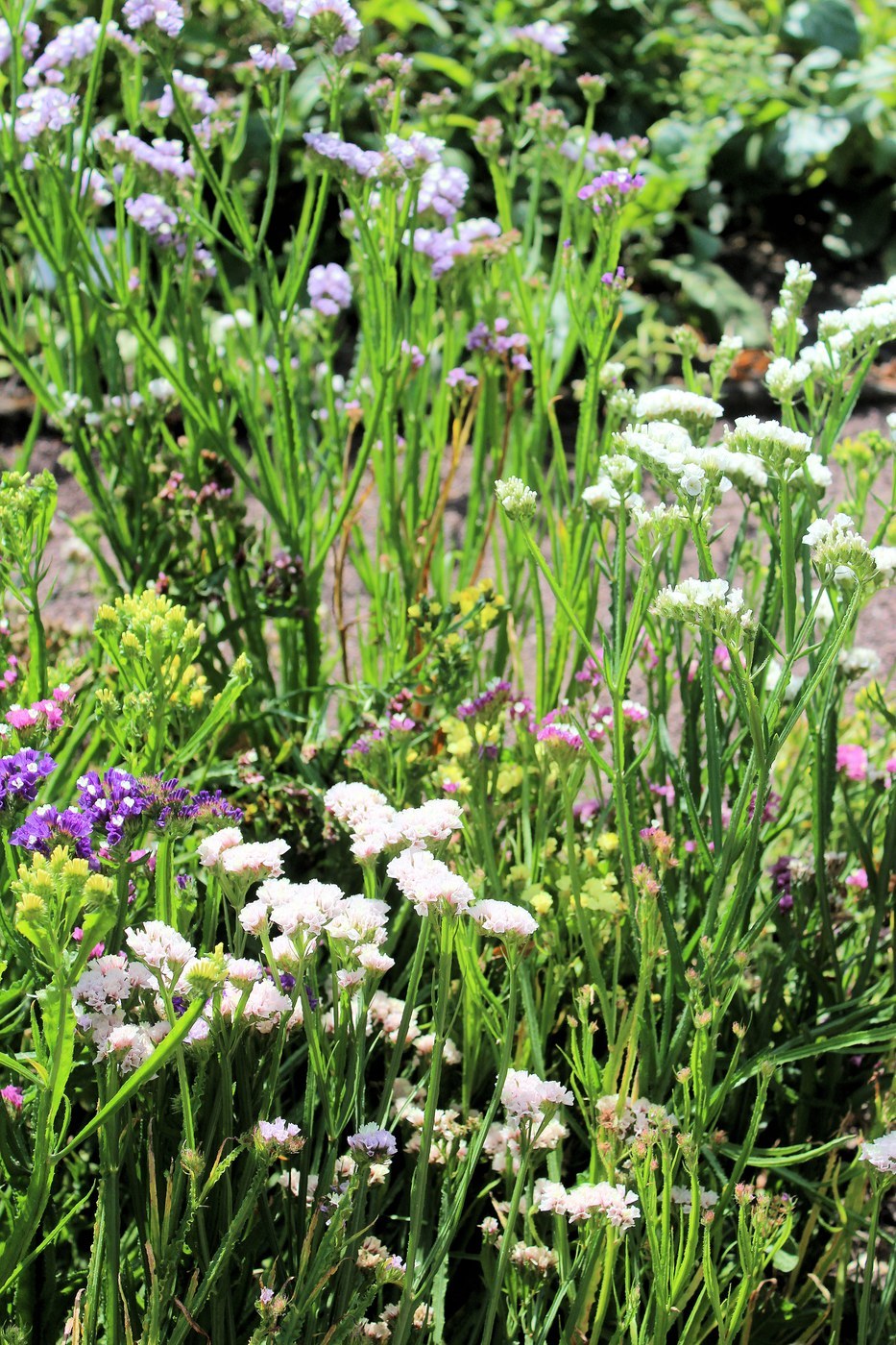
Statice (Limonium sinuatum), also called sea lavender, is a cheerful, easy-care annual grown for its clusters of papery, long-lasting flowers in blue, purple, pink, white, and yellow. Loved for cutting and drying, it thrives on neglect in full sun and lean, well-drained soil, and shrugs off drought and salt spray.
Light
Give Statice full sun — at least six to eight hours of direct light daily. Abundant sun produces sturdy stems, dense flower clusters, and the most vivid color. In too much shade the plants grow leggy, flower poorly, and are more prone to disease.
Water
Statice is highly drought-tolerant. Water young seedlings and transplants regularly until established, then water only occasionally and deeply during dry spells. Let the soil dry between waterings and avoid overhead watering that keeps the crown and foliage wet, which encourages rot and mildew. Overwatering is far more likely to harm it than underwatering.
Soil & Potting
Well-drained soil is essential. Statice prefers light, sandy or loamy soil of average to poor fertility and tolerates a neutral to slightly alkaline pH. It naturally grows in coastal areas, so it handles sandy, salty soils that defeat many other plants. Rich, heavy, or waterlogged soil leads to floppy growth and root rot. In containers, use a gritty, free-draining potting mix and a pot with good drainage holes.
Humidity & Temperature
Usually grown as a warm-season annual, Statice enjoys warm, dry conditions and low humidity. It performs best in mild to hot weather and dislikes cool, damp, humid climates where fungal problems set in. It has some frost sensitivity, so plant out after the last frost. In frost-free regions it can behave as a short-lived perennial (roughly USDA zones 8–11).
Feeding
Statice needs little feeding and actually flowers best in lean soil. A single application of a balanced, low-nitrogen fertilizer at planting is plenty. Avoid high-nitrogen feeds, which produce lush leaves at the expense of flowers and weaken the stems.
Propagation
Statice is grown from seed. Start seed indoors six to eight weeks before the last frost, barely covering it, and keep the mix warm and lightly moist; germination takes one to three weeks. Transplant seedlings outdoors after frost danger passes, spacing them about 10–12 inches apart. It can also be direct-sown once the soil has warmed. Because it resents root disturbance, handle transplants gently.
Repotting / Pruning
As an annual, Statice needs little pruning. Deadheading or, better yet, cutting flowers for arrangements encourages continued blooming through the season. For drying, harvest stems when the flowers are fully open and colorful, then hang them upside down in a warm, dark, airy spot. Container plants rarely need repotting within a single season; just ensure they never sit in standing water.
Common Problems & Pests
Statice is largely trouble-free but can suffer from crown and root rot in wet, poorly drained soil, and from powdery mildew or botrytis in humid, crowded, or overhead-watered conditions. Aphids may cluster on new growth. Prevent problems with full sun, good spacing for air circulation, careful watering at the base, and quick removal of any diseased foliage.
Seasonal Care Tips
Spring: Start seeds indoors, then harden off and transplant after the last frost into a sunny, well-drained bed. Summer: Enjoy peak bloom; water sparingly, deadhead or cut flowers regularly, and watch for aphids. Late summer/autumn: Harvest stems for drying at their colorful peak; in mild climates plants may continue flowering. Winter: In frost-prone areas the annual plants finish for the year; in frost-free zones, cut back and protect any overwintering plants from soggy soil.
Frequently asked questions
Is Statice an annual or a perennial?
Limonium sinuatum is usually grown as a warm-season annual. In frost-free climates (roughly zones 8–11) it can persist as a short-lived perennial, but most gardeners replant it each year.
How do I dry Statice flowers?
Cut the stems when the flowers are fully open and brightly colored, strip the lower leaves, and hang small bunches upside down in a warm, dark, well-ventilated spot for a couple of weeks. The papery blooms hold their color well.
Why is my Statice flopping over or rotting?
Floppy growth and rot usually come from overly rich soil, too much nitrogen, or overwatering. Statice thrives in lean, dry, well-drained conditions, so cut back on water and fertilizer and ensure full sun.
Can Statice tolerate coastal conditions?
Yes. As a natural seaside plant it is notably salt- and drought-tolerant, making it an excellent choice for sandy soils and windy coastal gardens where many other flowers struggle.
Statice identified by the community
Recent Statice specimens identified with Plant Identifier.