
How to Care for Swan River Daisy
Grow-care guide for Swan River Daisy (Brachyscome iberidifolia): a sun-loving, easy annual that blooms in mounds of blue, violet, and white daisies.
Read the full Swan River Daisy encyclopedia entry →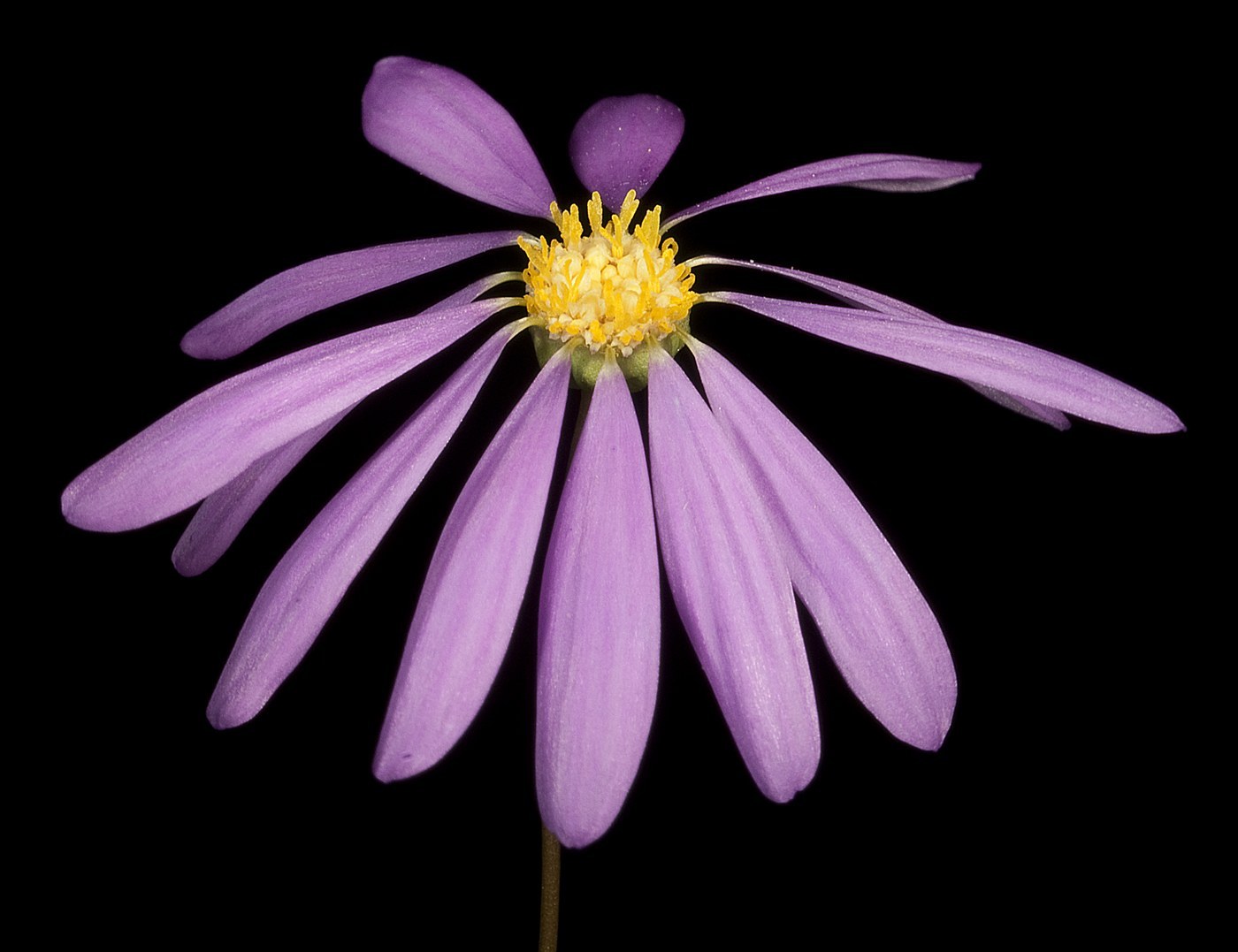
Swan River Daisy is a delicate, free-flowering annual that smothers itself in masses of small, fragrant daisy flowers in shades of blue, violet, pink, and white with contrasting centers. Fast and easy from seed, it forms low, feathery mounds that are ideal for edging, containers, and hanging baskets.
Light
Grow Swan River Daisy in full sun for the most abundant flowering and compact, sturdy growth. At least six hours of direct sun keeps the mounds dense and covered in bloom. In very hot summer regions, a little afternoon shade helps prevent the plants from fading or fizzling out prematurely, but too much shade leads to leggy, sparse-flowering plants.
Water
Provide regular, moderate watering to keep the soil lightly and evenly moist, especially during warm, dry spells. This annual has a shallow root system and dislikes drying out completely, which can trigger early decline. At the same time, it resents soggy soil, so let the surface dry slightly between waterings and ensure good drainage. Container plants need closer attention as they dry faster.
Soil & Potting
Plant in light, fertile, well-drained soil. Swan River Daisy is not fussy but performs best in a loose loam enriched with a little compost. In pots and baskets use a quality free-draining potting mix. Good drainage is essential, since heavy, wet soil quickly leads to rot in these fine-rooted plants.
Humidity & Temperature
This is a warm-season annual that thrives in mild to warm temperatures and dislikes cold. Plant out only after the danger of frost has passed. It prefers moderate conditions and can struggle in prolonged intense heat and high humidity, where flowering may pause until cooler weather returns. Good air circulation helps it stay healthy.
Feeding
Feed lightly for continuous bloom. A slow-release fertilizer at planting, or a diluted balanced liquid feed every few weeks through the growing season, keeps flowers coming without pushing excessive soft foliage. Avoid heavy nitrogen, which produces leaves at the expense of flowers. Container plantings benefit from slightly more regular feeding as nutrients leach out.
Propagation
Swan River Daisy is easily grown from seed. Sow indoors several weeks before the last frost or direct-sow once the soil has warmed, barely covering the fine seed. Germination is quick in warmth. Successional sowings every few weeks extend the display, since individual plants are relatively short-lived. Softwood cuttings of named forms also root readily.
Repotting / Pruning
As an annual, it is not repotted long term, but nursery seedlings transplant easily into their final spot or container. Pinch young plants once or twice to encourage bushy, branching growth. Shearing the plants back lightly after the first heavy flush of bloom rejuvenates them and often triggers a fresh wave of flowers.
Common Problems & Pests
Swan River Daisy is generally trouble-free. Aphids may cluster on soft new growth and can be rinsed off or treated with insecticidal soap. Slugs and snails sometimes nibble young seedlings. The most common issues are cultural: root rot from overwatering or poor drainage, and legginess with poor bloom from insufficient light. Good drainage and full sun prevent most problems.
Seasonal Care Tips
Start or plant out after frost for summer-long color. Deadhead or shear spent flowers to keep the display going and prevent premature exhaustion. In hot climates, refresh tired mid-summer plants with a light trim and feed, or sow a fresh batch for fall bloom. Since it is frost-tender, expect plants to finish with the first hard frost and plan replacements each spring.
Frequently asked questions
Is Swan River Daisy a perennial or annual?
It is usually grown as a warm-season annual. It is frost-tender and relatively short-lived, so most gardeners sow it fresh each spring, sometimes in successive batches to keep the flowering going all season.
How do I keep Swan River Daisy blooming all summer?
Grow it in full sun, deadhead or shear spent flowers, and feed lightly. Shearing the plant back after the first heavy flush and sowing successive batches both help maintain continuous bloom through the season.
Why is my Swan River Daisy leggy with few flowers?
Legginess and sparse bloom almost always mean too little light or too much nitrogen fertilizer. Move it to full sun, pinch it to encourage branching, and ease off high-nitrogen feed to favor flowers over foliage.
Can Swan River Daisy grow in hanging baskets?
Yes, its low, mounding-to-trailing habit is excellent for baskets and containers. Use a free-draining mix, keep it in full sun, water regularly since baskets dry quickly, and feed lightly for a long display.