
Swan River Daisy Identification Guide
Identify Swan River daisy (Brachyscome iberidifolia) by its fine ferny foliage and small fragrant blue, violet, or white daisies with yellow or dark centers.
Read the full Swan River Daisy encyclopedia entry →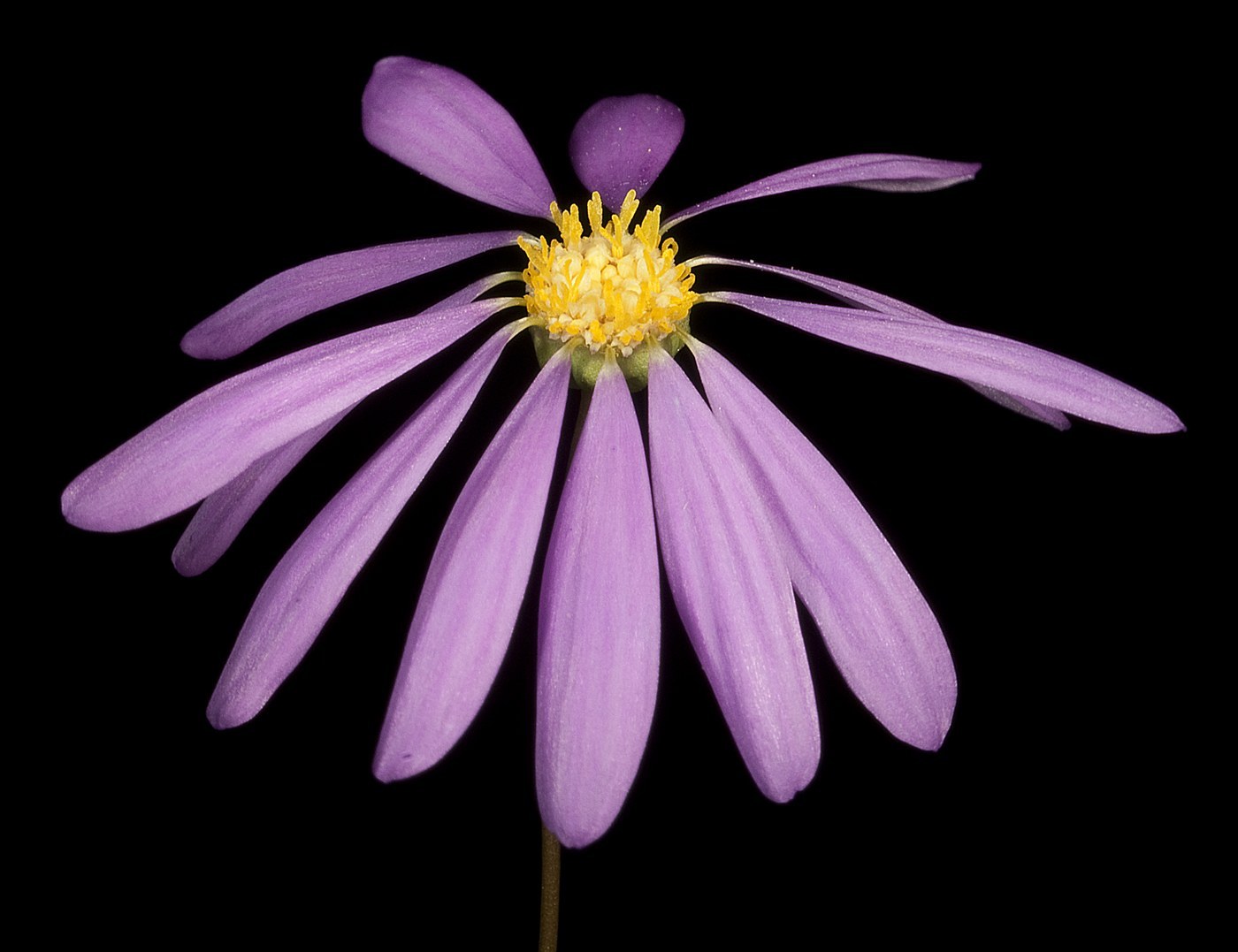
Key Identifying Features
Swan River daisy (Brachyscome iberidifolia, also spelled Brachycome) is a dainty, mounding annual from Australia in the aster family. It is recognized by its fine, deeply divided ferny foliage topped with masses of small (about 1 inch) daisy flowers in blue, violet, mauve, pink, or white, each centered with a yellow or dark disk. The blooms are often lightly fragrant and the airy plant forms a soft cushion 8–18 inches tall and wide.
- Low, mounding, airy annual
- Finely divided, ferny, narrow-segmented leaves
- Small daisies in blue, violet, pink, or white
- Yellow or dark center; light fragrance
Leaves & Stems
Leaves are alternate and pinnately divided into narrow, thread-like segments, giving a delicate, lacy texture. The foliage is soft green and forms a fine mound. Stems are slender, branching, and somewhat weak, so the plant tends to flop gracefully and works well spilling from containers and baskets. The fine leaf shape is a quick distinguishing feature among small daisies.
Flowers & Fruit
Flower heads are borne singly on thin stalks above the foliage. Each has a single ring of slender ray florets (blue, violet, mauve, pink, or white) around a small central disk that is yellow, brown, or near-black. Bloom is profuse in cool conditions and the flowers often carry a faint sweet scent. Small dry seeds (achenes) follow. Flowering peaks in spring and again in fall, slowing in peak heat.
How to Tell It Apart from Look-Alikes
- Felicia (blue daisy) has broader, simple leaves and clear sky-blue flowers; Swan River daisy has ferny, divided foliage.
- Asters and erigeron are larger and coarser; Brachyscome stays small and fine-textured.
- Bacopa and lobelia lack the daisy form entirely.
- The lacy foliage plus small color-ringed daisies is the giveaway.
Where You'll Find It
Swan River daisy is grown as a cool-season bedding, edging, and basket plant in full sun to light shade with well-drained soil. Native to western Australia, it thrives in mild temperatures and is often used for spring and fall color. It may self-sow in suitable climates but is generally replanted each year.
Quick ID Checklist
- Low, airy mounding annual
- Ferny, finely divided narrow leaves
- Small daisies in blue, violet, pink, or white
- Yellow or dark central disk; faint fragrance
- Best bloom in cool spring and fall weather
A soft mound of lacy foliage dotted with small fragrant blue-to-white daisies is the Swan River daisy.
Frequently asked questions
How do I tell Swan River daisy from a blue felicia daisy?
Swan River daisy has fine, deeply divided ferny leaves, while felicia (blue marguerite) has broader, simple, undivided leaves; both can have blue daisy flowers.
What colors do the flowers come in?
Flowers appear in blue, violet, mauve, pink, and white, each with a small central disk that may be yellow, brown, or nearly black.
Why did flowering slow in summer?
Swan River daisy is a cool-season plant that blooms best in spring and fall and tends to slow or pause during the hottest part of summer.
Is it fragrant?
Yes, the small daisy flowers are often lightly and sweetly fragrant, an extra clue alongside the ferny foliage.