
How to Care for Sweet Corn
How to grow Sweet Corn (Zea mays): full sun, rich soil, block planting for pollination, and steady water during tasseling and ear fill.
Read the full Sweet Corn encyclopedia entry →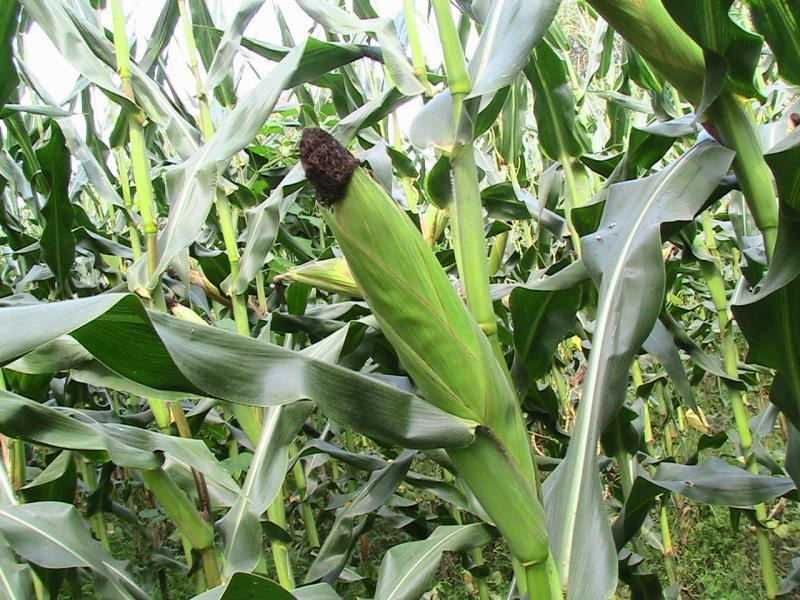
Sweet Corn (Zea mays) is a tall, warm-season annual grass grown in bold, upright stands. It is straightforward to grow given heat, sun, rich soil, and consistent moisture, and its statuesque form makes a striking seasonal feature in any sunny plot.
Light
Sweet Corn demands full sun, a minimum of six to eight hours of direct light, and more is better. Sun drives the vigorous, tall growth and strong stalks the plant needs. Any significant shade weakens the stalks, delays development, and reduces the size of the ears.
Water
Water regularly to keep the soil consistently moist, as corn is a thirsty plant with a high demand for water. Moisture is most critical during tasseling and ear fill, when a shortage causes poor pollination and underdeveloped ears. Deep, even watering, roughly an inch or more per week and more in heat, is far better than frequent shallow sprinkling. Mulch helps conserve soil moisture.
Soil & Potting
Grow Sweet Corn in deep, fertile, well-drained soil rich in organic matter. Work in plenty of compost or well-rotted manure before planting, since corn is a heavy feeder. The soil should hold moisture yet drain freely. Corn is generally a ground or raised-bed plant rather than a container subject because of its size and root demands, though very large tubs can work for a few plants.
Humidity & Temperature
Corn is a heat-loving plant that will not tolerate frost. Seeds need warm soil to germinate, so wait until the soil has warmed in late spring. Growth accelerates in warm, sunny weather. It handles a wide range of humidity but needs steady soil moisture in hot, dry spells to keep developing.
Feeding
Feed generously. Prepare the bed with rich compost, then side-dress with a nitrogen-rich fertilizer when plants are knee-high and again as the tassels form. Yellowing lower leaves often signal a nitrogen shortage. Consistent feeding supports the fast, tall growth and good ear development that corn is capable of.
Propagation
Sweet Corn is grown from seed sown directly where it is to grow, after frost danger has passed and soil is warm. Sow in blocks of short rows rather than one long single row, because corn is wind-pollinated and block planting ensures pollen reaches the silks for well-filled ears. Thin seedlings to the recommended spacing to avoid competition.
Repotting / Pruning
As a fast annual, corn is not repotted or pruned in the usual sense. Do not remove healthy leaves. Side shoots, or tillers, that form at the base can be left in place, as removing them offers no benefit and may stress the plant. Hilling loose soil around the stem bases helps anchor the tall stalks against wind.
Common Problems & Pests
Poorly filled ears with gappy kernels almost always mean incomplete pollination, usually from planting in a single row or from heat and drought during tasseling, so plant in blocks and water well. Corn earworm and European corn borer are common pests that tunnel into stalks and ears. Aphids may cluster on tassels. Fungal rusts and smut can appear in humid conditions. Strong wind can flatten tall plants, so shelter or hill them.
Seasonal Care Tips
Sow directly in late spring once soil is warm, in blocks for good pollination. Feed at planting and side-dress as plants grow. Water deeply and consistently through summer, prioritizing the tasseling and ear-fill stages. Watch for earworm and borers in mid to late season. Clear spent stalks at season's end, as corn completes its life cycle in a single year.
Frequently asked questions
Why should I plant Sweet Corn in blocks instead of rows?
Corn is wind-pollinated. Planting in a block of several short rows helps pollen from the tassels reach the silks on nearby plants, giving fully filled ears instead of gappy ones.
How much water does Sweet Corn need?
A lot. Keep the soil consistently moist with deep watering of about an inch or more per week. Moisture is most critical during tasseling and ear fill, when shortages ruin pollination.
When should I plant Sweet Corn?
Sow seed directly in late spring after all frost danger has passed and the soil has warmed. Corn is frost-tender and needs warm soil to germinate and grow vigorously.
Why are my corn ears poorly filled?
Almost always incomplete pollination, caused by planting in a single row or by heat and drought stress during tasseling. Plant in blocks and keep the soil evenly moist to fix it.
Does Sweet Corn need a lot of fertilizer?
Yes, it is a heavy feeder. Enrich the bed with compost before planting, then side-dress with a nitrogen-rich fertilizer when plants are knee-high and again as the tassels form.