How to Care for Sweet Pea
Grow fragrant, ruffled Sweet Pea vines with this guide to sowing, cool-season timing, trellising, and keeping the blooms coming.
Read the full Sweet Pea encyclopedia entry →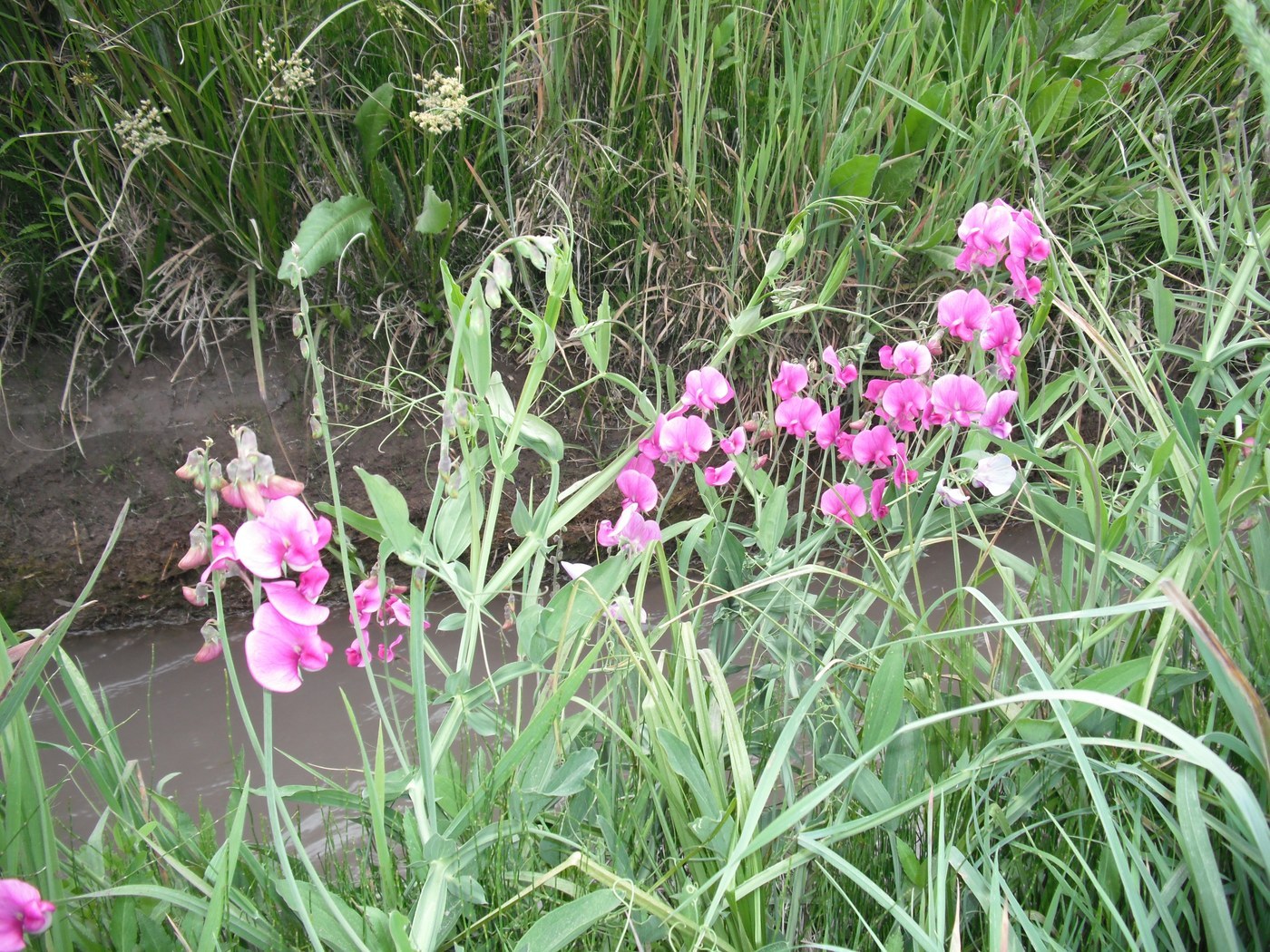
Sweet Pea (Lathyrus odoratus) is a climbing annual beloved for its intensely fragrant, ruffled flowers in a huge range of pastels and jewel tones. It is a cool-season plant that rewards good timing and steady moisture with weeks of cutting-garden blooms.
Light
Give Sweet Peas full sun to light shade. In cool climates full sun produces the strongest vines and most flowers. Where springs turn hot quickly, a spot with morning sun and light afternoon shade helps extend the bloom season by keeping roots cooler.
Water
Keep the soil consistently moist but never waterlogged. Sweet Peas have deep roots and dislike drying out, which causes bud drop and shortens the display. Water deeply at the base a few times a week, more in warm or windy weather, and mulch to conserve moisture and keep roots cool.
Soil & Potting
They are hungry, thirsty plants that love rich, deep, well-drained soil high in organic matter. Dig in plenty of compost or well-rotted manure before planting. A slightly alkaline to neutral pH is ideal. For containers choose a deep pot and a rich, moisture-retentive potting mix, since shallow roots dry out fast.
Humidity & Temperature
This is a cool-weather grower. Seedlings tolerate light frost and grow best in the mild days of spring and early summer. Flowering fades once sustained heat arrives. In mild-winter regions sow in autumn for early spring bloom; in cold regions sow in late winter or very early spring.
Feeding
Feed regularly for the best show. Work in compost at planting, then apply a balanced or slightly potassium-rich liquid feed every couple of weeks once buds form. Avoid excess nitrogen, which yields leafy vines and few flowers.
Propagation
Sweet Peas are grown from seed. Nick or soak the hard seed coat overnight to speed germination, then sow in deep pots or root-trainers, or direct into prepared ground. Pinch seedlings above the second or third leaf pair to encourage bushy, multi-stemmed plants that climb strongly.
Repotting / Pruning
Provide support early: netting, twiggy branches, a trellis, or strings for the tendrils to grasp. Tie in and guide young vines. The single most important task is to keep cutting or deadheading; once seed pods form the plant stops flowering, so pick blooms often to keep new buds coming.
Common Problems & Pests
Bud drop from heat, drought, or sudden cold is the most common frustration. Aphids cluster on new shoots and can spread viruses, so control them early with a strong water spray or insecticidal soap. Powdery mildew appears late in the season in warm, crowded conditions; improve airflow and water at the base. Slugs and snails target young seedlings.
Seasonal Care Tips
Start seeds in late winter or autumn depending on climate, and harden off before planting out. Get plants established while the weather is cool, keep them well watered and picked through spring, and expect them to wind down as summer heat sets in. Compost spent vines at season's end and start fresh each year.
Frequently asked questions
When should I plant Sweet Peas?
Sow in autumn in mild-winter areas for early spring flowers, or in late winter to early spring in colder regions. They thrive in cool weather and fade once summer heat arrives.
Why are my Sweet Pea buds falling off?
Bud drop is usually caused by heat stress, dry soil, or a sudden cold snap. Keep the soil evenly moist, mulch the roots, and provide light afternoon shade in warm climates.
How do I keep Sweet Peas blooming longer?
Pick or deadhead flowers constantly. If seed pods are allowed to form, the plant stops producing new blooms, so frequent cutting is the key to a long season.
Do Sweet Peas need support?
Yes. They climb by tendrils and need netting, a trellis, strings, or twiggy sticks to grip. Provide support early and guide the young vines onto it.
Sweet Pea identified by the community
Recent Sweet Pea specimens identified with Plant Identifier.