
How to Care for Threadleaf False Cypress
Grow Chamaecyparis pisifera 'Filifera' with full sun, evenly moist soil, and minimal pruning for cascading golden threadlike foliage.
Read the full Threadleaf False Cypress encyclopedia entry →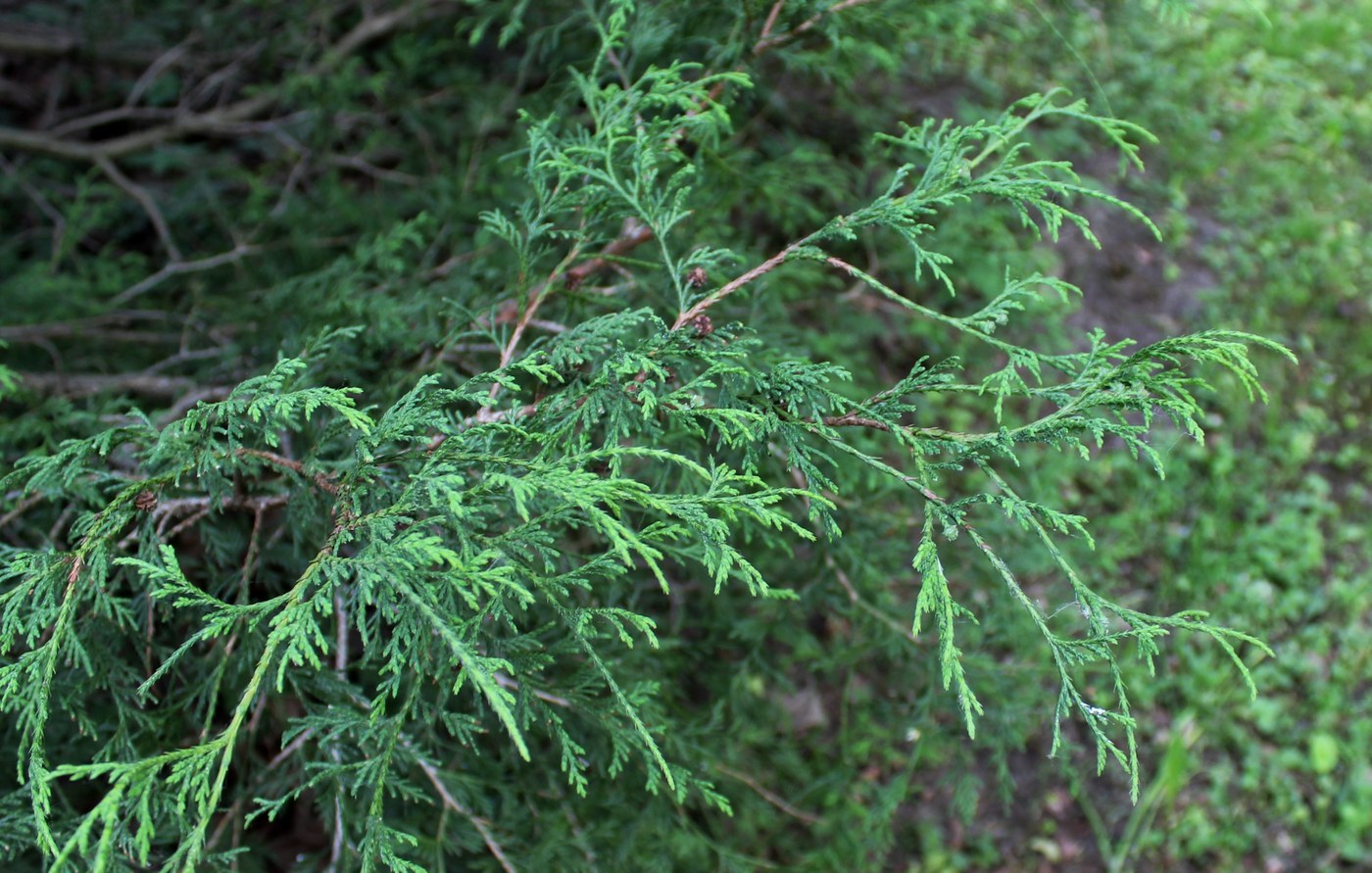
Threadleaf false cypress (Chamaecyparis pisifera 'Filifera') is an elegant evergreen conifer known for its graceful, cascading strands of thread-like foliage. Slow-growing and low-maintenance, it forms a soft mounding or weeping specimen prized for texture and year-round color.
Light
Plant in full sun to part shade. Full sun brings out the richest color, particularly in golden-foliaged forms, and keeps growth dense. In hot climates, some afternoon shade prevents foliage bronzing. Too much shade thins the plant and dulls its color.
Water
Keep soil evenly moist, especially for the first two to three years while roots establish. Water deeply when the top inch or two of soil dries. Mature plants tolerate occasional dry spells but perform best with consistent moisture. Avoid both drought stress and standing water.
Soil & Potting
This conifer prefers moist, well-drained, slightly acidic soil rich in organic matter. Amend poor or heavy soils with compost to improve structure and moisture retention. It dislikes soggy, poorly drained sites. Mulching over the root zone conserves moisture and keeps roots cool.
Humidity & Temperature
A hardy, cold-tolerant conifer that handles a wide range of temperate climates. It appreciates moderate humidity and can suffer in prolonged hot, dry, windy conditions, which desiccate the fine foliage. Shelter from harsh drying winds helps maintain lush growth.
Feeding
Feed lightly in early spring with a slow-release fertilizer formulated for evergreens or conifers. A layer of compost or acidic mulch also supplies gentle nutrition. Avoid overfeeding, which forces weak, sparse growth. Established plants in good soil often need little supplemental feeding.
Propagation
Propagate from semi-hardwood cuttings taken in late summer or fall, rooted in a moist, well-drained medium under humid conditions. Rooting can be slow, so patience and consistent moisture are key. Named cultivars are propagated vegetatively to preserve their form and color.
Repotting / Pruning
This shrub needs little pruning. Trim lightly in spring to shape or remove any dead, damaged, or wayward growth, always cutting back to green foliage rather than into bare old wood, which resprouts poorly. For container specimens, repot every few years into a slightly larger pot with fresh, well-draining mix.
Common Problems & Pests
Generally trouble-free. Watch for spider mites in hot, dry conditions, which cause stippling and interior browning; a strong water spray helps. Bagworms and scale can occasionally appear. Root rot develops in waterlogged soil, and interior needle browning is often natural shedding of old foliage.
Seasonal Care Tips
In spring, apply a slow-release feed, refresh mulch, and do light shaping. Water consistently through summer heat, especially for young plants. In fall, take cuttings if propagating. In winter, protect newly planted specimens from drying winds and heavy snow load, which can splay the branches.
Frequently asked questions
Why is my false cypress turning brown inside?
Some interior browning is natural as old foliage sheds. Persistent browning may signal drought stress, spider mites, or waterlogged roots, so check moisture levels and inspect for pests.
How much should I prune threadleaf false cypress?
Very little. Trim lightly in spring to shape and remove dead growth, always cutting within green foliage. It does not resprout from bare old wood, so avoid hard pruning.
How fast does it grow?
It is a slow-growing conifer, adding only a few inches per year. Its measured pace makes it easy to keep in scale and a good choice for smaller gardens and containers.
Can I grow it in a container?
Yes. Use a well-draining, slightly acidic mix, keep soil evenly moist, and repot every few years. Its cascading foliage makes it an attractive patio or terrace specimen.