
How to Care for Toadshade
Grow Trillium sessile, a woodland wildflower, in partial to full shade with rich, evenly moist, well-drained humus and patient long-term care.
Read the full Toadshade encyclopedia entry →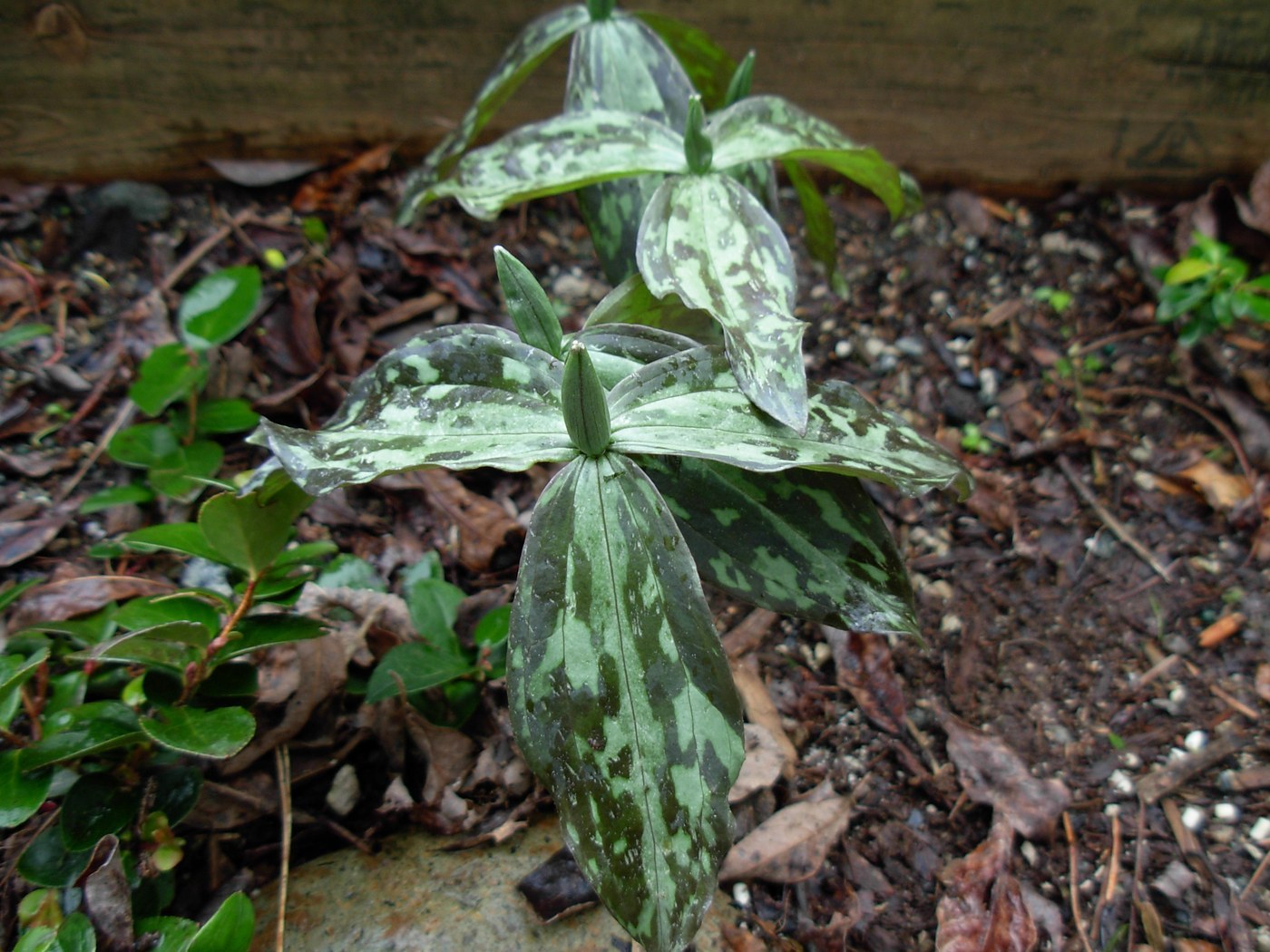
Toadshade (Trillium sessile) is a spring-blooming woodland wildflower with three mottled leaves and a stalkless, upright maroon flower nestled at their center. A slow, long-lived shade perennial, it rewards patience with a distinctive display and is best grown in a naturalistic, woodland-style planting.
Light
Toadshade is a woodland plant that needs partial to full shade. It naturally grows on the forest floor beneath deciduous trees, catching bright light in early spring before the canopy leafs out, then resting in cool shade through summer. Site it where it receives dappled light or shade for most of the day; avoid hot, direct afternoon sun, which stresses the foliage and dries the soil too quickly.
Water
Keep the soil evenly moist but well-drained, mimicking a rich forest floor. Water is especially important through spring while the plant is in leaf and flower. Never let the plant sit in soggy, stagnant ground, which rots the rhizome, but do not let it dry out completely during active growth either. After the foliage naturally dies back in summer the dormant rhizome needs far less water, though the soil should not bake bone dry.
Soil & Potting
Provide deep, rich, humus-laden, well-drained soil that stays cool and slightly moist, ideally on the neutral to slightly acidic side. Amend planting areas generously with leaf mold and compost to recreate woodland conditions. A layer of leaf-litter mulch conserves moisture, keeps the roots cool, and slowly feeds the soil as it breaks down. Plant the rhizome at the correct depth, a couple of inches below the surface, in a spot it can occupy undisturbed for years.
Humidity & Temperature
As a temperate woodland perennial, toadshade is adapted to cool, humid spring conditions and to cold winter dormancy, during which the rhizome rests underground. It needs a genuine cold season to cycle properly and does not tolerate hot, dry exposures. Ambient outdoor humidity in a shaded, sheltered planting is ideal; the key is keeping the root zone cool rather than adjusting air humidity directly.
Feeding
Toadshade is a light feeder that gets most of what it needs from rich, humusy soil and decomposing leaf litter. An annual top-dressing of compost or leaf mold in fall or early spring is the best and gentlest way to feed it. Avoid strong chemical fertilizers, which this slow woodland plant does not need and can be harmed by. Let organic matter do the work.
Propagation
Toadshade is famously slow to propagate. It can be grown from seed, but germination is complex and erratic, often requiring multiple cold and warm cycles over more than a year, and seedlings take several years to reach flowering size. Established clumps can occasionally be divided by carefully splitting the rhizome after the foliage dies back, though the plant resents disturbance and recovers slowly. Patience is essential. Never dig plants from the wild; start with nursery-propagated stock.
Repotting / Pruning
Toadshade is best treated as a permanent garden resident rather than a plant to be moved or repotted, since it dislikes root disturbance and takes years to settle. No pruning is required; simply allow the foliage to yellow and die back naturally after flowering, as the plant is drawing energy back into the rhizome for next year. Remove spent leaves only once they have fully withered.
Common Problems & Pests
Toadshade is generally trouble-free when sited correctly, and most problems stem from poor placement. Too much sun or dry soil causes scorched, prematurely collapsing foliage. Soggy, poorly drained ground leads to rhizome rot. Slugs and snails may nibble the emerging spring foliage and can be managed around new growth. The biggest challenge is simply providing the cool, rich, shaded, undisturbed conditions the plant demands.
Seasonal Care Tips
In early spring, the plant emerges and blooms while light is plentiful; keep the soil evenly moist and enjoy the display. Through late spring and summer the foliage yellows and dies back naturally, entering dormancy, so reduce watering and leave the rhizome undisturbed. In fall, top-dress with compost or leaf mold and refresh the leaf-litter mulch. In winter, the dormant rhizome rests underground through the cold it requires.
Frequently asked questions
Why did my toadshade disappear in summer?
This is normal. Trillium sessile is a spring ephemeral whose foliage naturally yellows and dies back after flowering as the plant stores energy in its underground rhizome. Mark its spot, keep the soil from baking dry, and it will re-emerge the following spring.
How much shade does toadshade need?
It needs partial to full shade, ideally the dappled light of a woodland floor. It catches bright light in early spring before trees leaf out, then rests in cool shade through summer. Avoid hot, direct afternoon sun, which stresses the plant.
Why is my toadshade so slow to spread?
Toadshade is naturally very slow-growing. Seeds require complex cold-and-warm cycling over more than a year to germinate, and seedlings take several years to reach flowering size. Give established plants rich, cool, undisturbed woodland conditions and be patient.
Can I dig toadshade from the wild?
No. Wild trilliums are slow to recover and are protected or at risk in many areas, and they transplant poorly. Always start with nursery-propagated stock and plant it in a permanent, undisturbed woodland-style spot.