
How to Care for Torrey Pine
Torrey pine is a rare coastal conifer that thrives in full sun, sandy fast-draining soil, and needs minimal water once established.
Read the full Torrey Pine encyclopedia entry →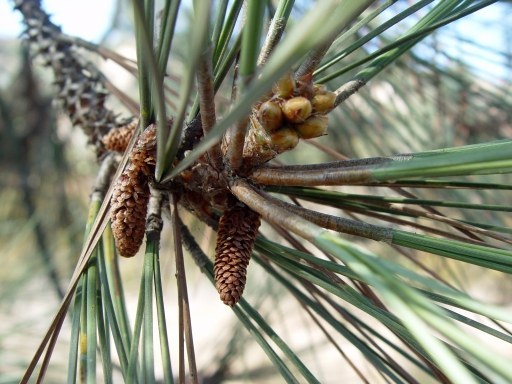
Torrey pine (Pinus torreyana) is a rare, wind-sculpted coastal conifer native to a small stretch of Southern California. Grown as a specimen tree, it develops a picturesque, open form and long needles in bundles of five, thriving in sunny, sandy, low-water conditions.
Light
Torrey pine demands full sun. It is a sun-loving pioneer of exposed coastal bluffs and will not thrive in shade. Give it an open, unobstructed position where it receives direct sun all day for the healthiest, most balanced growth.
Water
Water regularly during the first two to three years to establish a deep root system. Once established, Torrey pine is markedly drought-tolerant and needs only low to moderate water, relying largely on natural rainfall. Avoid frequent shallow irrigation and never let it sit in soggy soil, which it strongly resents.
Soil & Potting
Sharp drainage is critical. Torrey pine is adapted to sandy, fast-draining, nutrient-poor coastal soils and tolerates rocky ground. Heavy clay that holds water is the biggest hazard. Plant on a slope or amend with grit to ensure water moves through freely. Young trees can be grown in deep containers before transplanting.
Humidity & Temperature
This is a mild-climate conifer, comfortable in the moderate temperatures and coastal fog of its native range. It tolerates wind, salt spray, and heat but is only moderately frost-hardy and dislikes prolonged hard freezes. Coastal humidity and fog drip actually benefit it.
Feeding
Torrey pine is adapted to lean soils and needs little feeding. If growth is sluggish, a light application of a slow-release conifer or balanced fertilizer in early spring suffices. Avoid heavy nitrogen, which pushes weak, overly fast growth prone to breakage.
Propagation
Propagation is chiefly by seed extracted from the large cones. Seeds benefit from a period of cold, moist stratification before sowing in deep, well-drained containers. Germination and early growth can be slow, and seedlings resent root disturbance, so pot on carefully and plant out while young.
Repotting / Pruning
Container-grown young trees need repotting into progressively deeper pots to accommodate the taproot, then planting out before they become pot-bound. Pruning should be minimal: remove only dead, damaged, or crossing branches to preserve the tree's natural open silhouette. Avoid heavy shaping, which conifers do not readily regrow.
Common Problems & Pests
The most common issues stem from overwatering and poor drainage, leading to root rot. Bark beetles and pine scale can affect stressed trees, so keep the tree vigorous and unstressed. Fungal needle blights appear in overly wet conditions. Good drainage and full sun prevent most trouble.
Seasonal Care Tips
Plant in autumn or early spring so roots establish before summer heat. Water new trees through their first dry seasons, then taper off. In summer, mature trees need little supplemental water. Protect young trees from hard frost in colder microclimates, and avoid pruning during active spring growth flushes.
Frequently asked questions
How much water does an established Torrey pine need?
Very little. Once established after two to three years, it is drought-tolerant and relies mostly on rainfall. Deep, infrequent watering during extended droughts is plenty; frequent watering risks root rot.
What soil does Torrey pine need?
Sandy, fast-draining, even nutrient-poor soil suits it best, mirroring its native coastal bluffs. Avoid heavy, water-holding clay. Plant on a slope or amend with grit for sharp drainage.
Can Torrey pine tolerate frost?
It is only moderately cold-hardy and dislikes prolonged hard freezes, reflecting its mild coastal origin. Protect young trees during cold snaps and site them in a sheltered, sunny spot in borderline climates.
Should I prune my Torrey pine?
Only lightly. Remove dead, damaged, or crossing branches to keep it healthy, but avoid heavy shaping. Conifers don't regrow from old wood, so preserve the natural open form.