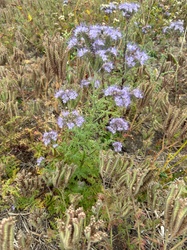
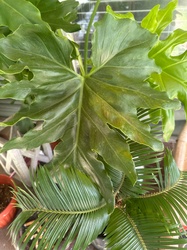
How to Care for Tree Philodendron
Care for Thaumatophyllum bipinnatifidum, a bold tropical with huge deeply lobed leaves, using this easy indoor and outdoor growing guide.
Read the full Tree Philodendron encyclopedia entry →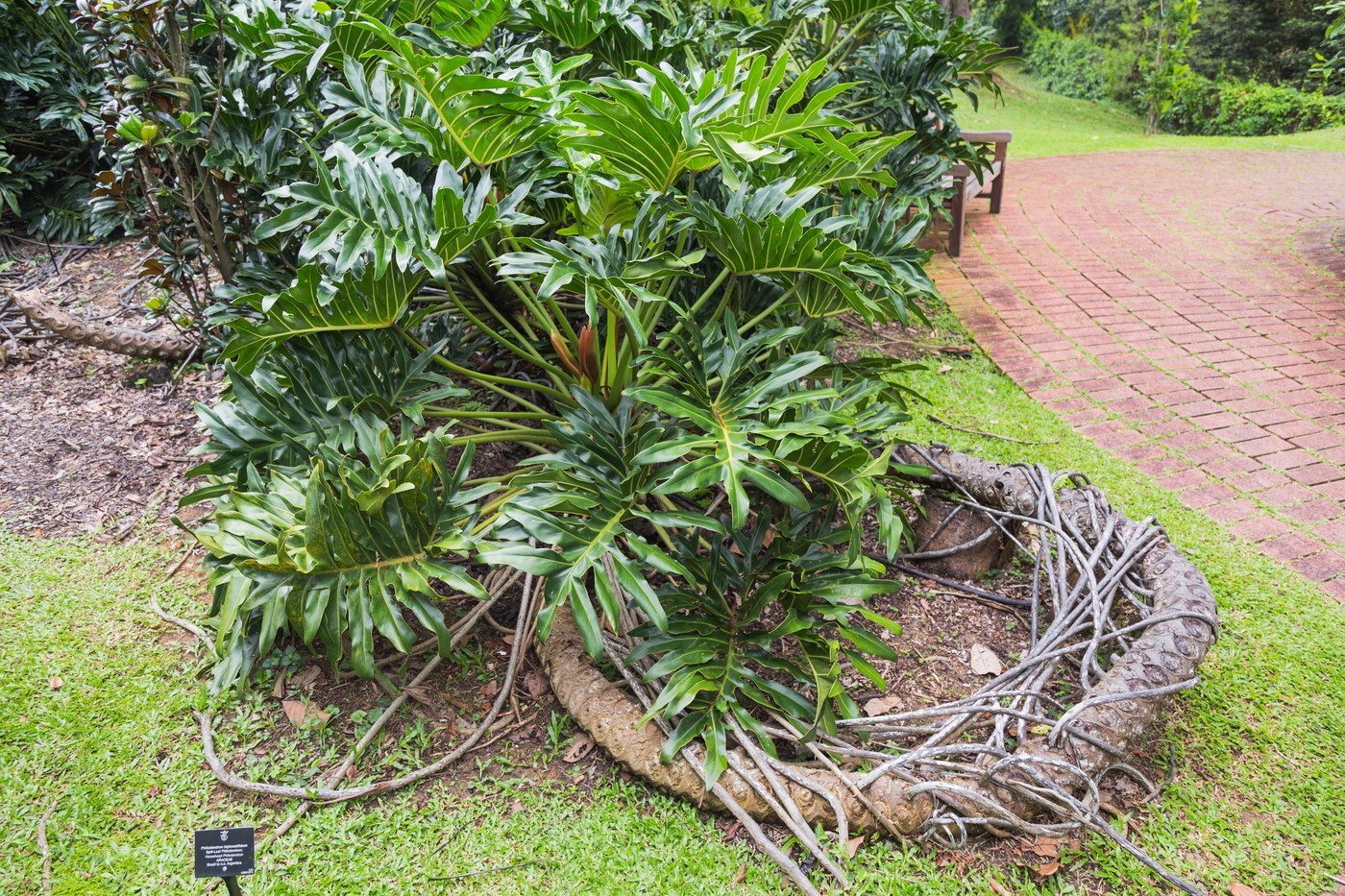
Tree philodendron (Thaumatophyllum bipinnatifidum, formerly Philodendron selloum) is a dramatic tropical from South America grown for its enormous, deeply lobed, glossy green leaves. It forms a bold, sculptural clump that makes a striking houseplant or, in warm climates, a lush landscape specimen.
Light
Give it bright, indirect light for the fullest, most compact growth. It tolerates some direct morning sun and, when grown outdoors in the tropics, part shade to filtered sun. In too little light it becomes leggy with smaller leaves and long, stretching stems reaching for brightness.
Water
Water when the top inch of soil dries, keeping the mix lightly moist but never waterlogged. This tropical enjoys regular moisture during active growth but must not sit in soggy soil, which invites root rot. Ease off in winter when growth slows and the plant uses less water.
Soil & Potting
Use a rich, well-draining aroid-style mix with plenty of organic matter, such as potting soil blended with bark, perlite, and compost. Good drainage holes are essential. A large, sturdy pot supports its substantial size and spreading, aerial-rooting habit.
Humidity & Temperature
Being tropical, it loves warmth and high humidity. Keep it above about 60 degrees Fahrenheit and protect it from cold drafts and frost, which damage the foliage. Average room humidity is tolerated, but higher humidity from a pebble tray, grouping, or a humid room produces lusher, larger leaves.
Feeding
Feed regularly during the spring and summer growing season with a balanced liquid fertilizer roughly monthly, or use a slow-release feed. This large, fast grower is a fairly hungry plant. Reduce or stop feeding in fall and winter when growth naturally slows.
Propagation
Propagate by stem cuttings, offsets, or division. Cuttings with a node and ideally an aerial root can be rooted in water or moist mix. Mature clumps often produce basal offshoots that can be separated and potted up. Sections of stem bearing nodes and aerial roots will also establish readily in warm, humid conditions.
Repotting / Pruning
Repot every couple of years in spring, moving up one pot size when roots fill the container, and use a heavy pot to counterbalance the top-heavy growth. Prune away old, yellowing, or damaged lower leaves at the base to keep the plant tidy. Its abundant aerial roots can be tucked into the soil or trimmed for appearance.
Common Problems & Pests
Overwatering is the main danger, causing yellowing leaves and root rot; let the top inch dry between waterings. Low light leads to leggy growth and small leaves, while dry air and underwatering cause brown leaf tips and edges. Watch for spider mites, mealybugs, scale, and aphids, and wipe the large leaves periodically to keep them clean and pest-free.
Seasonal Care Tips
In spring and summer, keep it warm, humid, and evenly moist, feed regularly, and repot if needed. Wipe the big leaves to remove dust and let them photosynthesize efficiently. In fall and winter, reduce watering and feeding as growth slows, keep it away from cold windows and heating drafts, and maintain humidity against dry indoor air.
Frequently asked questions
How much light does a tree philodendron need?
Bright, indirect light is best for full, compact growth. It handles some morning sun but becomes leggy with small leaves if the light is too low.
How often should I water it?
Water when the top inch of soil dries out, keeping the mix lightly moist but never soggy. Reduce watering in winter when growth slows.
Why are the lower leaves turning yellow?
Occasional yellowing of old lower leaves is normal, but widespread yellowing usually signals overwatering. Let the top inch of soil dry and check that the pot drains freely.
How big does it get?
It is a large, spreading plant with leaves that can grow several feet long, forming a bold clump. Give it a roomy spot and a heavy pot to stay stable.
What are the aerial roots for?
The thick aerial roots help anchor and support the plant and absorb moisture. You can tuck them into the soil or trim them for a tidier look.
Tree Philodendron identified by the community
Recent Tree Philodendron specimens identified with Plant Identifier.