
How to Care for Tricolor Beech
A dazzling specimen tree with pink, cream, and purple variegated leaves. Give it rich moist soil, wind shelter, and patience for slow, elegant growth.
Read the full Tricolor Beech encyclopedia entry →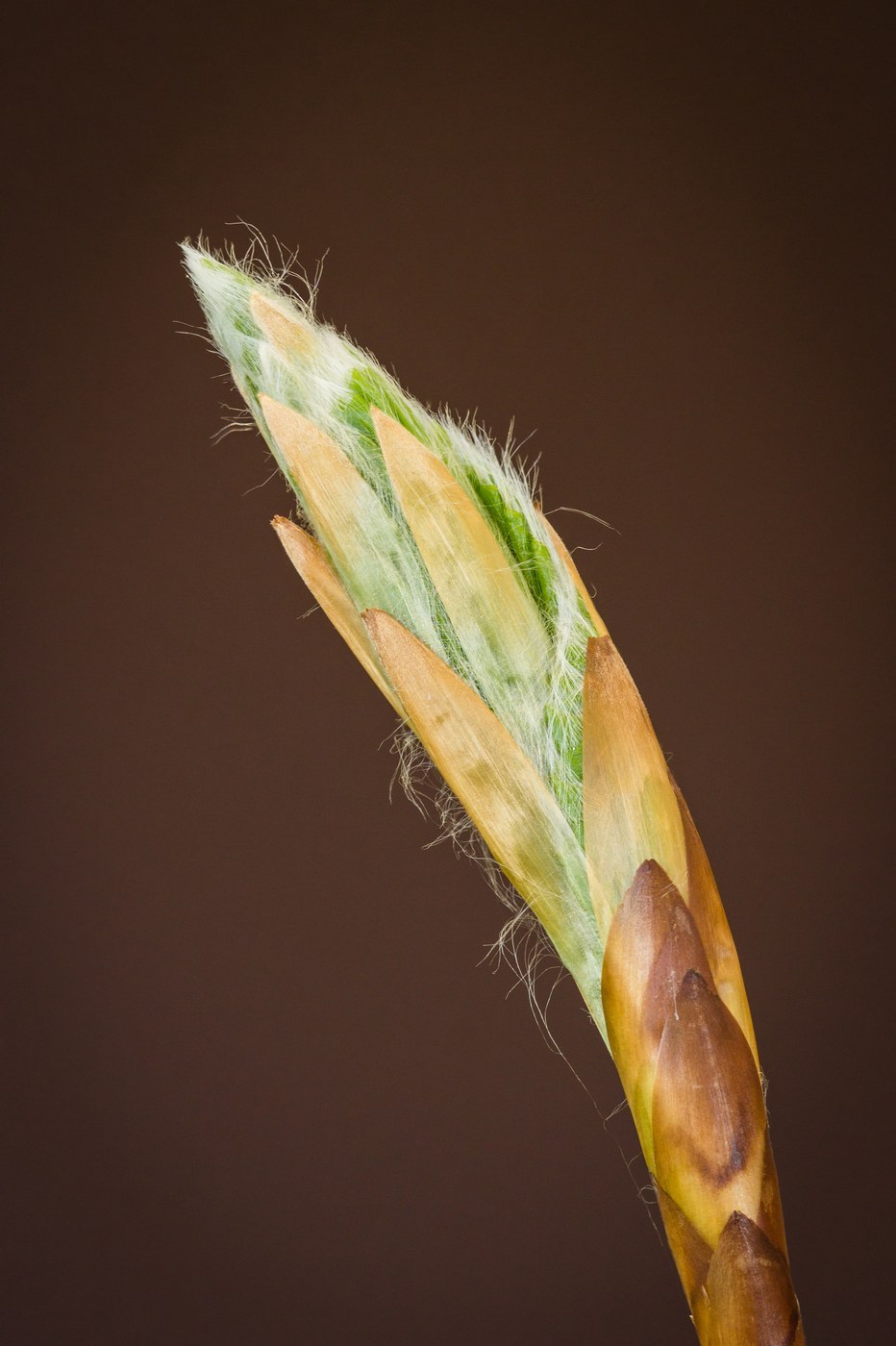
Tricolor Beech (Fagus sylvatica 'Roseomarginata') is a striking slow-growing specimen tree whose purple-green leaves are irregularly margined in rose-pink and cream, creating a shimmering, painterly canopy. It is a moderate-care tree that rewards a well-chosen, sheltered site with decades of distinctive beauty.
Light
Tricolor Beech grows in full sun to part shade, but its delicate variegation makes siting important. Some direct sun is needed to bring out the pink tones, yet intense afternoon sun in hot climates can scorch the pale leaf margins. The ideal spot offers morning sun with light afternoon shade or gentle dappling.
Water
Provide consistent moisture with weekly deep watering, especially while the tree establishes over the first several years. Beeches have relatively shallow root systems and dislike both drought and waterlogging, so aim for evenly moist, never soggy soil. Mulch generously to conserve moisture and moderate soil temperature.
Soil & Potting
Plant in deep, fertile, well-drained soil that stays evenly moist. Slightly acidic to neutral loam is ideal; beeches struggle in heavy compacted clay and in poorly drained sites. Maintain a wide mulch ring over the shallow roots — kept away from the trunk — and avoid disturbing or compacting the soil beneath the canopy.
Humidity & Temperature
Hardy in USDA zones 4–7, this European beech cultivar prefers temperate climates with cool to moderate summers. It is less happy in hot, humid regions, where leaf scorch and stress are more likely. Shelter from strong drying winds, which can tatter the tender variegated foliage.
Feeding
Feed modestly. A balanced slow-release fertilizer in early spring supports young trees; established beeches in good soil generally need only annual mulching with organic matter. Avoid excessive nitrogen, which can push weak growth and dull the variegation.
Propagation
Because variegation does not come true from seed, Tricolor Beech is propagated by grafting or budding onto European beech (Fagus sylvatica) rootstock — a task best left to specialist nurseries. Home propagation from cuttings is notoriously difficult and rarely successful.
Repotting / Pruning
Prune sparingly, in late summer or during dormancy, to remove dead, damaged, or reverting all-green shoots (cut reverting growth back promptly so it does not overtake the variegation). The tree has a naturally graceful form and needs little shaping; heavy pruning is best avoided. Protect the smooth, thin bark from mechanical injury and sunscald.
Common Problems & Pests
Leaf scorch from sun, wind, or drought is the most common complaint, showing as browned leaf margins. Watch for aphids, beech scale, and occasional cankers, and guard the smooth bark against trimmer wounds. Good drainage prevents root rot. Remove any green-reverting branches to preserve the tricolor effect.
Seasonal Care Tips
Plant in spring or fall in a sheltered spot. Foliage emerges most vividly pink in spring, softening to purple-and-cream through summer. Keep it well watered and mulched through hot spells, shield young trees from harsh sun and wind, and prune out reversions as noticed. In winter the tree is fully dormant and hardy; little protection is required beyond guarding the bark.
Frequently asked questions
Why is my Tricolor Beech's variegation fading or turning green?
Individual branches can revert to plain green. Prune those reverting shoots out promptly, and ensure the tree gets enough light to maintain the pink and cream coloring.
How fast does Tricolor Beech grow?
It is a slow grower, typically adding under a foot per year and maturing at a modest 25–40 feet, which makes it a manageable specimen tree.
Why are the leaf edges browning in summer?
The pale variegated margins scorch easily from intense afternoon sun, drying wind, or dry soil. Provide light afternoon shade, wind shelter, and consistent moisture.
Can I grow Tricolor Beech from seed?
No — the variegation does not come true from seed. It is propagated by grafting onto European beech rootstock, usually by specialist nurseries.