
How to Care for Turnip
Grow Turnip (Brassica rapa) as a fast, cool-season crop with full sun, even moisture, and loose, fertile soil.
Read the full Turnip encyclopedia entry →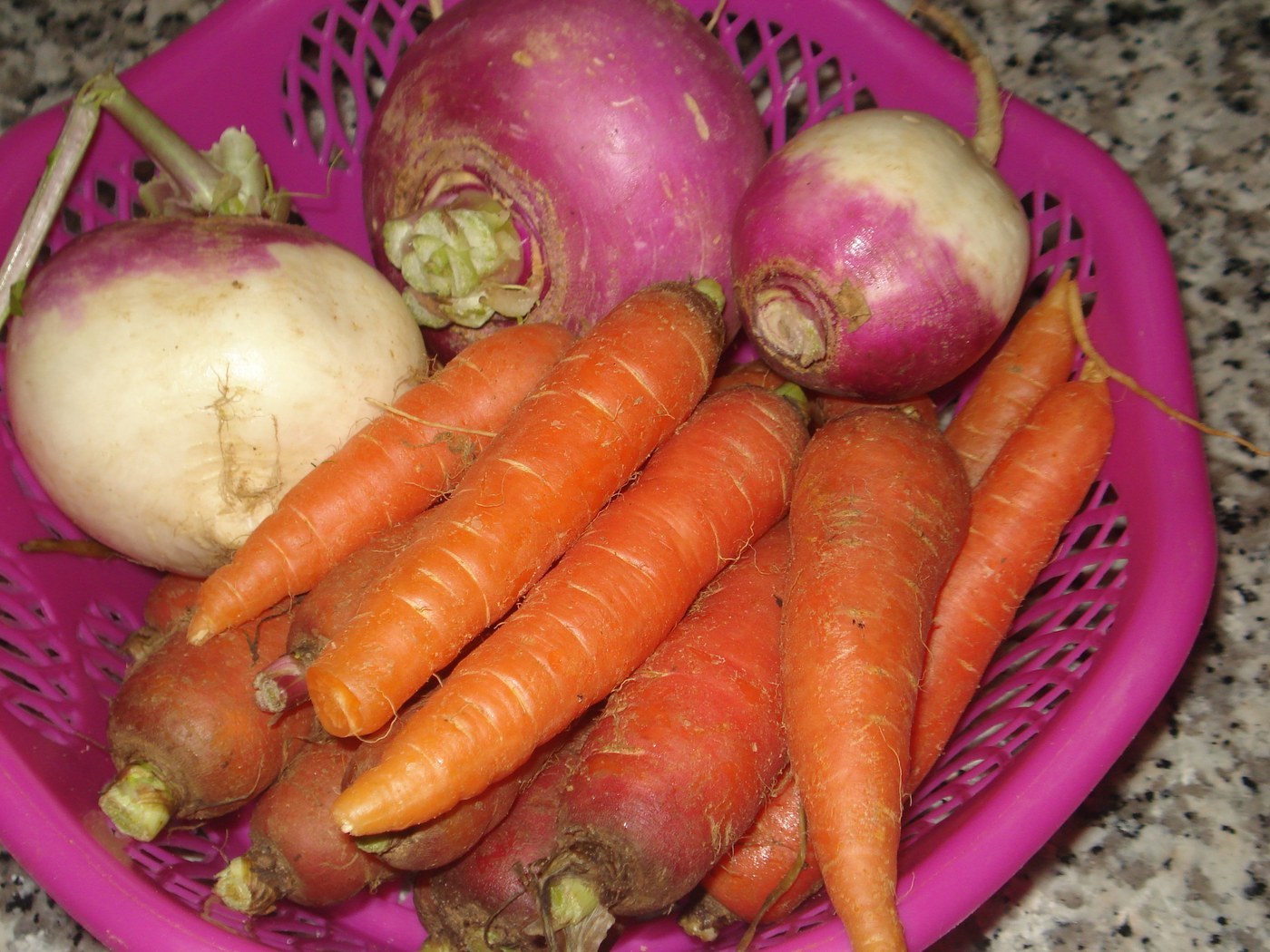
Turnip (Brassica rapa subsp. rapa) is a fast-growing, cool-season root vegetable that is one of the easiest crops for a productive plot. Quick to mature and forgiving, it thrives in the cooler ends of the year when many other crops struggle.
Light
Grow turnips in full sun for the best root development, aiming for at least six hours of direct light. They tolerate light shade and can even be grown for leafy tops in shadier spots, but strong roots need good sun.
Water
Provide steady, even moisture throughout growth. Consistent watering is the single most important factor in tender, well-shaped roots; irregular watering causes woody, cracked, or split roots. Never let the soil dry out and then flood it. Aim for about an inch of water per week, more in hot, dry weather.
Soil & Potting
Use loose, fertile, well-drained soil free of stones and clods, which cause forked or misshapen roots. A neutral to slightly acidic pH suits them. Work in compost before sowing, but avoid fresh manure that can distort roots. Deeply dug, crumbly soil produces the smoothest turnips.
Humidity & Temperature
Turnips are a cool-season crop, growing best in the mild temperatures of spring and fall. They tolerate light frost, which can even sweeten the roots, but bolt and turn bitter in summer heat. Time plantings to avoid the hottest weather for the best quality.
Feeding
Turnips are light to moderate feeders. Rich soil prepared with compost usually supplies enough nutrition. Avoid heavy nitrogen, which pushes leafy top growth at the expense of the root. A balanced feed at sowing is generally all that is needed.
Propagation
Grow turnips directly from seed sown where they are to mature, as they dislike transplanting. Sow thinly about half an inch deep in rows, then thin seedlings to give each root a few inches of space. Succession-sow every few weeks for a continuous supply.
Repotting / Pruning
Root crops are not repotted, but thinning is essential; crowded seedlings produce small, distorted roots, so thin early to proper spacing. In containers, use a deep pot with loose mix and thin the same way. Keep the bed weed-free so roots swell without competition.
Common Problems & Pests
Flea beetles pepper the leaves with tiny holes, especially on young plants; floating row covers give good protection. Cabbage root fly maggots and clubroot are the main soil problems for this brassica, so practice crop rotation. Aphids and cabbage caterpillars also target the foliage. Splitting and woodiness stem from uneven watering or overly mature roots.
Seasonal Care Tips
Sow in early spring for an early crop and again in late summer for a fall harvest, avoiding the heat of midsummer. Keep moisture even and thin promptly. Fall crops handle light frosts well; harvest roots while young and tender rather than letting them grow oversized and woody.
Frequently asked questions
Why are my turnip roots cracked or woody?
Uneven watering is the usual cause, along with letting roots grow too large or mature. Keep soil evenly moist and harvest while roots are young and tender.
When is the best time to grow turnips?
In the cool of spring and fall. They tolerate light frost but bolt and turn bitter in summer heat, so avoid sowing into the hottest weather.
Do turnips transplant well?
No. They dislike root disturbance, so sow seed directly where they are to grow and thin the seedlings rather than starting them for transplant.
What is making tiny holes in my turnip leaves?
Flea beetles chew small shot-holes in the foliage, especially on young plants. Cover seedlings with a floating row cover to protect them.