
How to Care for Warneckii Dracaena
Grow-along guide to Warneckii Dracaena: bright indirect light, sparing watering, and the steady care that keeps its striped, sword-like leaves crisp.
Read the full Warneckii Dracaena encyclopedia entry →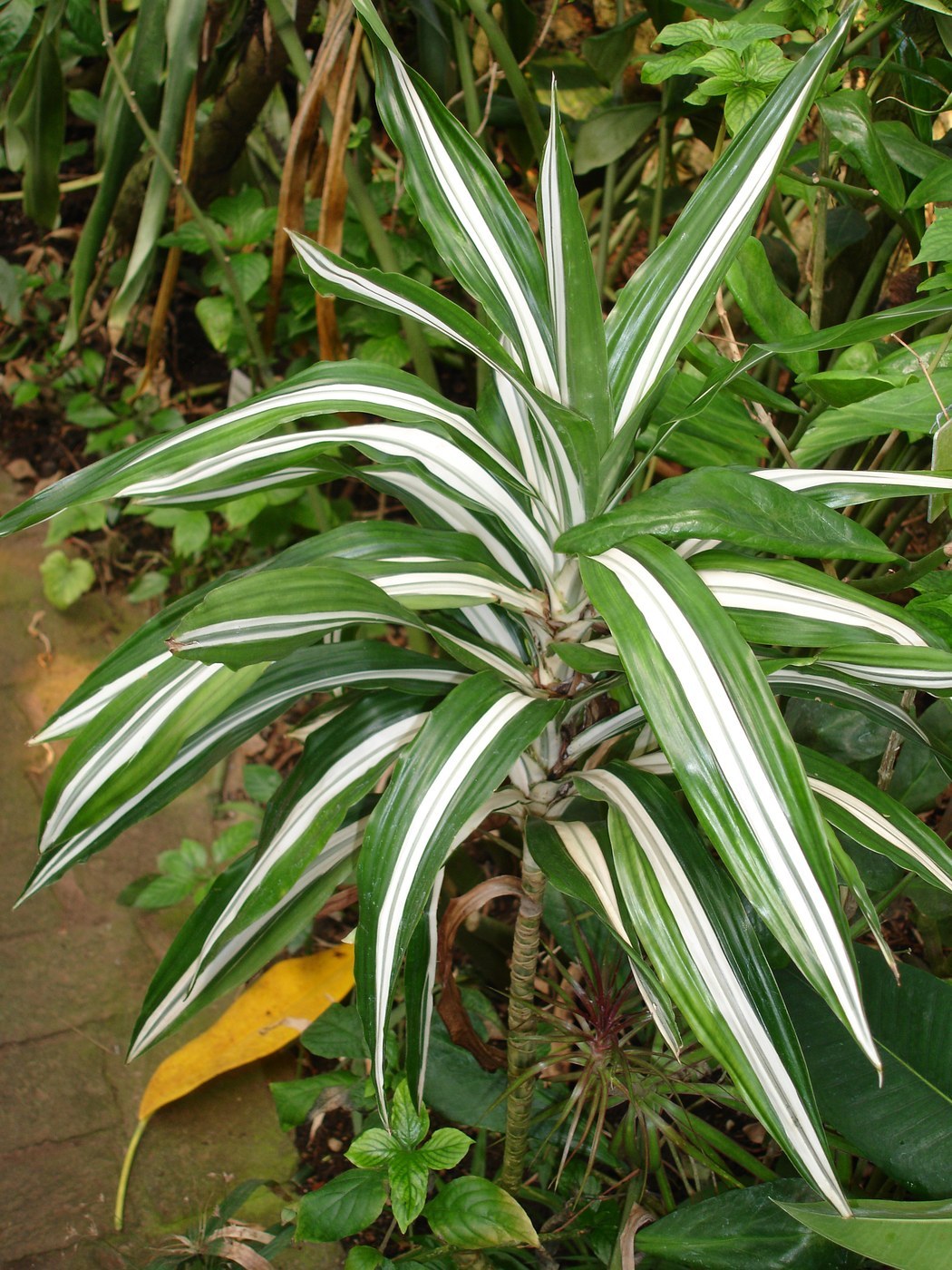
Warneckii Dracaena (Dracaena fragrans 'Warneckii') is a slow, upright foliage plant prized for its narrow, sword-shaped leaves streaked in white, cream, and gray-green. It forms tidy rosettes on woody canes and is one of the more forgiving houseplants, tolerating neglect far better than overwatering.
Light
Give Warneckii bright, indirect light for the strongest variegation and steadiest growth. It also adapts to medium light, though the striping fades and growth slows in dim corners. Keep it out of harsh direct midday sun, which scorches and bleaches the foliage. An east window, or a few feet back from a brighter south or west window, is ideal. Rotate the pot a quarter-turn every week or two so the cane grows evenly rather than leaning toward the light.
Water
Water sparingly. Let the top third of the soil dry out before watering again, then water thoroughly until it drains from the bottom and empty the saucer. This plant is far more likely to suffer from overwatering than from being too dry; soggy soil quickly causes root rot and yellowing. In lower light and cooler months, stretch the interval between waterings considerably. Warneckii is sensitive to fluoride and salts in tap water, which can cause brown leaf tips and margins, so use filtered, distilled, or rainwater when you can, and let tap water sit out overnight before using.
Soil & Potting
Use a loose, well-draining potting mix. A general houseplant mix amended with perlite, bark, or coarse sand improves aeration and drainage. Always plant in a container with drainage holes. Choose a pot only slightly larger than the root ball, since an oversized pot holds excess moisture around the roots.
Humidity & Temperature
Average household humidity suits Warneckii, though it appreciates a bit more; brown tips often signal dry air combined with water-quality issues. Grouping plants or setting the pot on a pebble tray helps. Keep it in the range of about 65-80F (18-27C). Protect it from cold drafts, air-conditioning blasts, and heating vents, and never let it sit below roughly 55F (13C).
Feeding
Feed lightly. Apply a balanced, diluted liquid houseplant fertilizer once a month during spring and summer, and stop feeding in fall and winter. This is a slow grower that needs little; over-fertilizing builds up salts that worsen leaf-tip burn. Flushing the soil with plain water every couple of months helps rinse out accumulated salts.
Propagation
Warneckii is easy to propagate from stem or cane cuttings. Cut a healthy section of cane, let the cut end callus briefly, then root it in water or directly in moist, well-draining mix. Tip cuttings with a rosette of leaves root readily. A pruned parent cane will usually resprout new growth from just below the cut, so you gain new plants and a bushier original.
Repotting / Pruning
Repot only every 2-3 years, or when roots crowd the pot; this plant likes being a little snug. Refresh the top layer of soil in the years between. To control height or rejuvenate a leggy plant, cut the cane back to any height in spring; new shoots emerge below the cut. Remove any yellowing or spent lower leaves as they age, and trim brown tips with clean scissors, following the natural leaf shape.
Common Problems & Pests
Brown leaf tips and margins are the most common complaint, usually from fluoride or salts in water, low humidity, or underwatering. Yellowing lower leaves point to overwatering or normal aging. Watch for spider mites (fine webbing, stippled leaves) in dry conditions, plus mealybugs and scale; wipe leaves and treat with insecticidal soap as needed. Keep foliage dust-free by wiping with a damp cloth so leaves can breathe and photosynthesize.
Seasonal Care Tips
In spring and summer, growth picks up: water a bit more often, resume monthly feeding, and do any major pruning or propagation. In fall and winter, growth slows, so cut back on water, stop fertilizing, and keep the plant away from cold windows and heat sources. Move it toward brighter light in the dark months to maintain good variegation.
Frequently asked questions
Why does my Warneckii Dracaena have brown leaf tips?
Brown tips are most often caused by fluoride and salts in tap water, and worsened by dry air or inconsistent watering. Switch to filtered, distilled, or rainwater, keep humidity up, and flush the soil periodically to reduce salt buildup.
How often should I water a Warneckii Dracaena?
Let the top third of the soil dry before watering, which often means every 1-2 weeks in the growing season and less in winter. It tolerates dryness far better than soggy soil, so err on the side of underwatering.
Why are the lower leaves turning yellow?
Some yellowing of the oldest lower leaves is normal aging. Widespread yellowing usually signals overwatering or poor drainage, so check that the soil is drying between waterings and the pot drains freely.
How do I make my Warneckii bushier?
Cut the cane back at your desired height in spring. New shoots will sprout from just below the cut, and you can root the removed top as a cutting for an extra plant.