
How to Care for Watercress
Grow lush watercress in constantly wet soil or running water with full sun to part shade and cool conditions.
Read the full Watercress encyclopedia entry →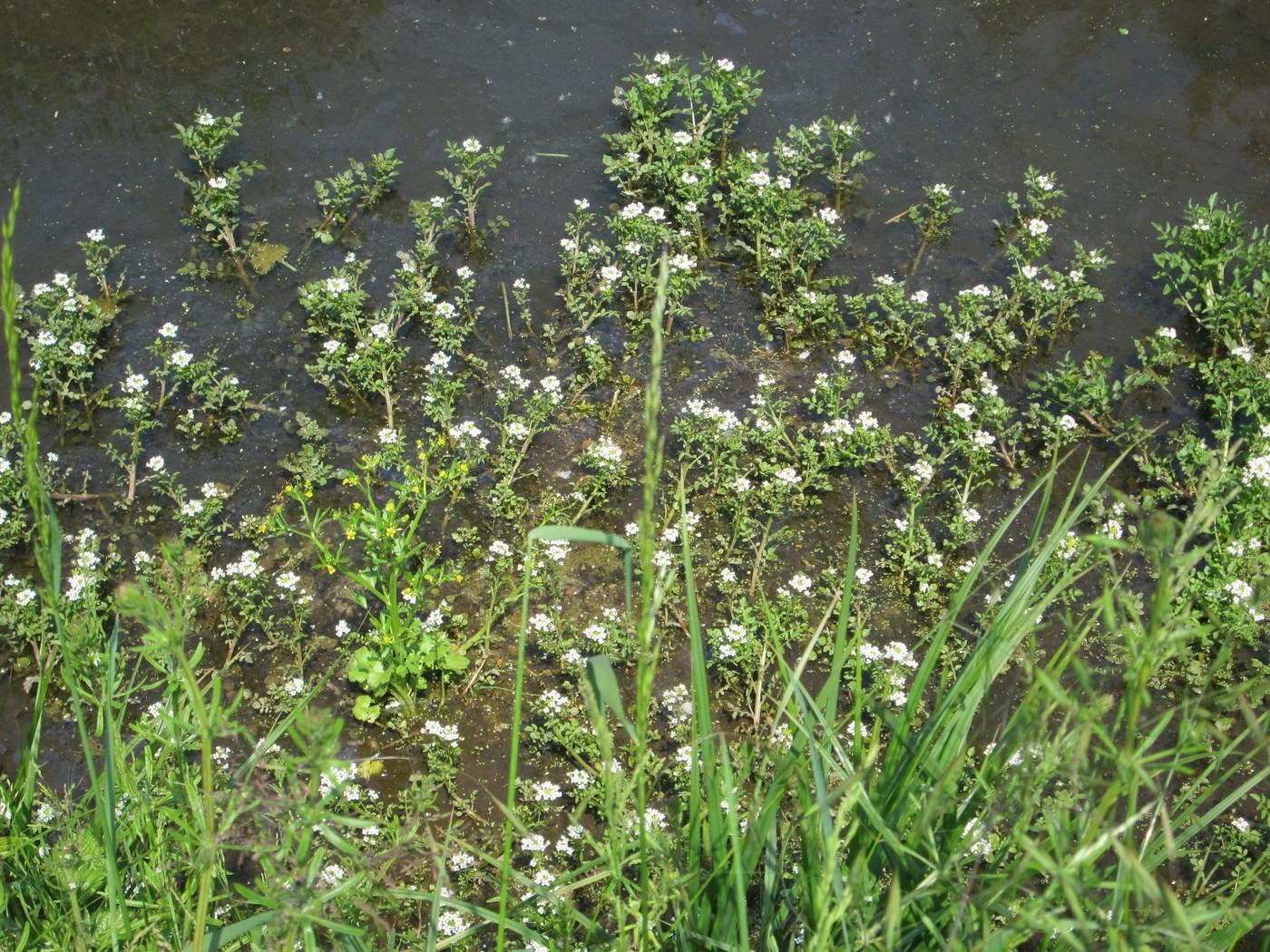
Watercress (Nasturtium officinale) is a vigorous, semi-aquatic perennial that naturally grows along cool, clean streams and springs. It forms sprawling mats of round, deep-green leaves and is one of the easiest plants to grow if you can keep its roots consistently wet.
Light
Watercress grows best in full sun to part shade. In cooler climates full sun produces the most compact, leafy growth, while in hot regions light afternoon shade helps prevent stress and premature bolting. Aim for at least 4-6 hours of light daily.
Water
This plant demands constant moisture and will not tolerate drying out. It thrives in shallow running water or in soil kept permanently saturated. A common approach is to stand the pot in a tray of water that you refresh frequently to keep it clean and cool. Stagnant, warm water encourages algae and rot, so change it regularly.
Soil & Potting
Use a rich, loamy, moisture-retentive mix with plenty of organic matter. A pot without drainage (or set into a water tray) suits its bog-loving nature. Keeping the growing medium cool and constantly wet is the single most important factor for healthy watercress.
Humidity & Temperature
Watercress prefers cool conditions, roughly 10-20 C, and high ambient moisture. It slows and can bolt in summer heat. It is hardy and can survive light frost, often overwintering in mild climates near flowing water.
Feeding
Because it grows fast, watercress benefits from modest, regular feeding with a balanced liquid fertilizer during active growth. Avoid heavy doses, which can foul the water. Fresh, mineral-rich water often supplies much of what the plant needs.
Propagation
Watercress propagates extremely easily. Stem cuttings placed in water root within days, and established mats spread on their own by rooting at the nodes wherever stems touch wet soil. You can also start it from seed sprinkled on wet medium.
Repotting / Pruning
Trim the plant regularly to keep it bushy and prevent it from becoming leggy or flowering too soon. Divide crowded mats and replant vigorous sections. Refresh the growing container periodically to keep the water clean.
Common Problems & Pests
The main challenges are warm, stagnant water leading to rot or algae, and premature bolting in heat. Aphids and whiteflies can appear; rinse them off with water or treat with insecticidal soap. Keep water cool, clean, and moving to avoid most problems.
Seasonal Care Tips
Spring and autumn are peak seasons for watercress thanks to cool temperatures. In summer, provide shade and refresh water often to slow bolting. In winter it may go semi-dormant but often survives in mild, flowing-water settings, resuming growth as temperatures rise.
Frequently asked questions
Can I grow watercress without a stream?
Yes. Stand a pot of rich soil in a tray of clean water and refresh the water often. The key is keeping the roots constantly wet and the water cool, which mimics its natural streamside habitat.
Why is my watercress flowering and getting bitter-looking?
It is bolting, usually from heat. Provide afternoon shade, keep the water cool, and harvest or trim regularly to delay flowering and keep growth leafy.
How do I propagate watercress?
Place stem cuttings in water and they will root within days, or let established stems root at the nodes in wet soil. It can also be grown from seed on constantly moist medium.
Why is my watercress water turning green and slimy?
Warm, stagnant water breeds algae. Change the water frequently, keep it cool, and provide gentle flow or aeration to keep it clean.