
How to Care for Weeping Nootka Cypress
Grow the graceful weeping Nootka cypress as an evergreen accent tree in sun to part shade with steady moisture.
Read the full Weeping Nootka Cypress encyclopedia entry →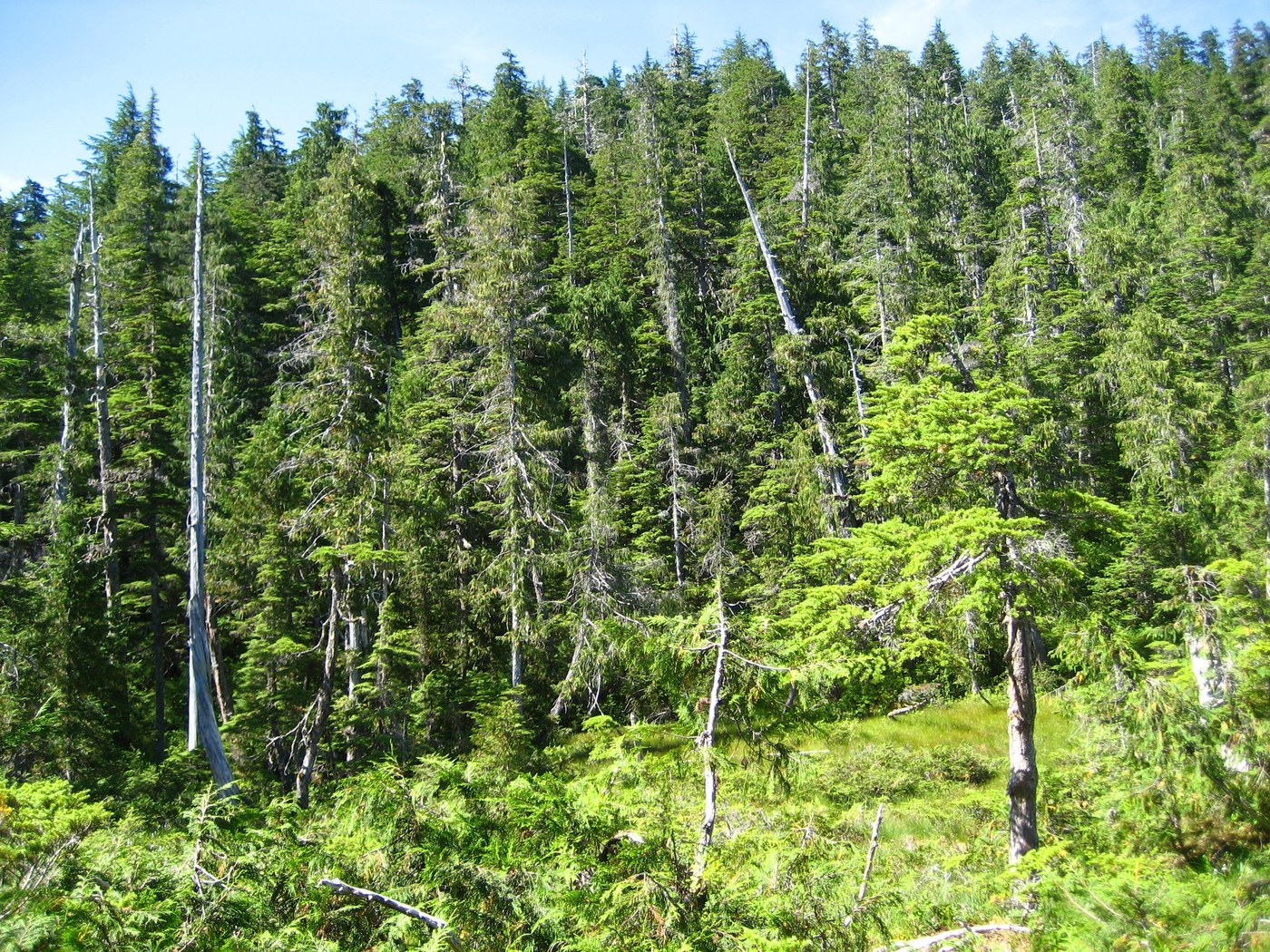
Weeping Nootka Cypress (Cupressus nootkatensis, also known as Alaska cedar) is a graceful evergreen conifer prized for its distinctive weeping habit, with drooping sprays of blue-green foliage cascading from arching branches. It makes a dramatic vertical accent or living sculpture in the landscape and is an easy, hardy tree once established.
Light
Weeping Nootka cypress grows well in full sun to part shade. Full sun produces the densest, most sculptural form and strongest weeping habit, while it tolerates light shade with a somewhat looser silhouette. Avoid deep shade, which thins the foliage. In hot regions a little afternoon shade helps prevent stress, but generally the more light, the better the shape.
Water
Provide moderate, consistent moisture in well-drained soil, especially during the first few years while the tree establishes its root system. It appreciates steady moisture and dislikes prolonged drought, which can brown the foliage. Once established it becomes more resilient, but deep, regular watering during dry spells keeps the weeping sprays lush. Mulch over the root zone conserves moisture and moderates soil temperature.
Soil & Potting
This conifer prefers moist, fertile, well-drained soil and adapts to a range of textures from loam to sandier ground. A slightly acidic to neutral pH is ideal. Good drainage is essential, as it dislikes waterlogged roots. Amend heavy clay with organic matter and grit to improve percolation. A cool, evenly moist but never soggy root zone suits it best.
Humidity & Temperature
Native to the cool, moist coastal Pacific Northwest, weeping Nootka cypress is very cold-hardy and thrives in temperate climates with cool summers and ample atmospheric moisture. It handles frost and snow well, its flexible weeping branches shedding snow load. It is less happy in hot, dry, low-humidity conditions, where foliage may brown; siting it where summers stay relatively cool and moist yields the healthiest tree.
Feeding
Weeping Nootka cypress is a light feeder. An annual spring application of a balanced or slow-release conifer fertilizer supports steady growth, particularly in poorer soils. A yearly mulch of compost also renews nutrients gradually. Avoid heavy nitrogen feeding, which can force weak, floppy growth. Established trees in decent soil often need no supplemental feeding at all.
Propagation
Weeping Nootka cypress is usually propagated from semi-hardwood cuttings taken in late summer to fall, rooted under humid conditions, though conifer cuttings can be slow and root unevenly. Named weeping selections are often grafted onto seedling rootstock to preserve their exact form and vigor. Home propagation from cuttings is possible but requires patience and consistent humidity.
Repotting / Pruning
This tree needs little pruning and is best left to develop its natural cascading form. Remove any dead, damaged, or crossing branches as needed, and you may lightly shape the leader or trim errant growth to enhance the sculptural silhouette. Some growers stake and train the leader to control height and direct the weeping effect. Avoid heavy shearing, which spoils the graceful habit. Container specimens should be repotted every few years into fresh, well-drained mix.
Common Problems & Pests
Weeping Nootka cypress is relatively trouble-free. Root rot is the main risk in poorly drained or waterlogged soil, so drainage is key. Foliage browning usually stems from drought stress, extreme heat, or drying winds. Occasional pests such as spider mites, scale, or bagworms may appear but are seldom serious. Cankers can affect stressed trees, making good siting and consistent moisture the best defense.
Seasonal Care Tips
Plant in spring or fall so roots establish in cool, moist conditions. Water deeply and regularly through the first few summers and mulch to keep roots cool. In hot, dry spells, provide extra water to prevent foliage browning. Little winter protection is needed given its cold hardiness, though shaking heavy snow from the branches prevents bending. Do any light shaping in late winter before the spring flush of growth.
Frequently asked questions
Why is my weeping Nootka cypress turning brown?
Browning foliage usually results from drought stress, intense heat, or drying winds. Water deeply and regularly, especially in the first few years and during dry spells, and mulch to keep the root zone cool and moist.
Does weeping Nootka cypress need pruning?
Very little. Remove dead or crossing branches and optionally train the leader for shape, but otherwise let it develop its natural cascading form. Heavy shearing ruins the graceful weeping silhouette.
How much sun does it need?
Full sun to part shade. Full sun gives the densest foliage and strongest weeping habit, while light shade is tolerated. Avoid deep shade, which thins the branches and weakens the form.
Is weeping Nootka cypress cold-hardy?
Yes, it is very cold-hardy, native to the cool coastal Pacific Northwest, and handles frost and snow well. Its flexible weeping branches shed snow load, though shaking off heavy accumulations prevents bending.