
Weeping Nootka Cypress Identification Guide
Identify Weeping Nootka Cypress (Xanthocyparis nootkatensis 'Pendula') by its drooping curtain-like foliage sprays, hanging branchlets, and narrow weeping silhouette.
Read the full Weeping Nootka Cypress encyclopedia entry →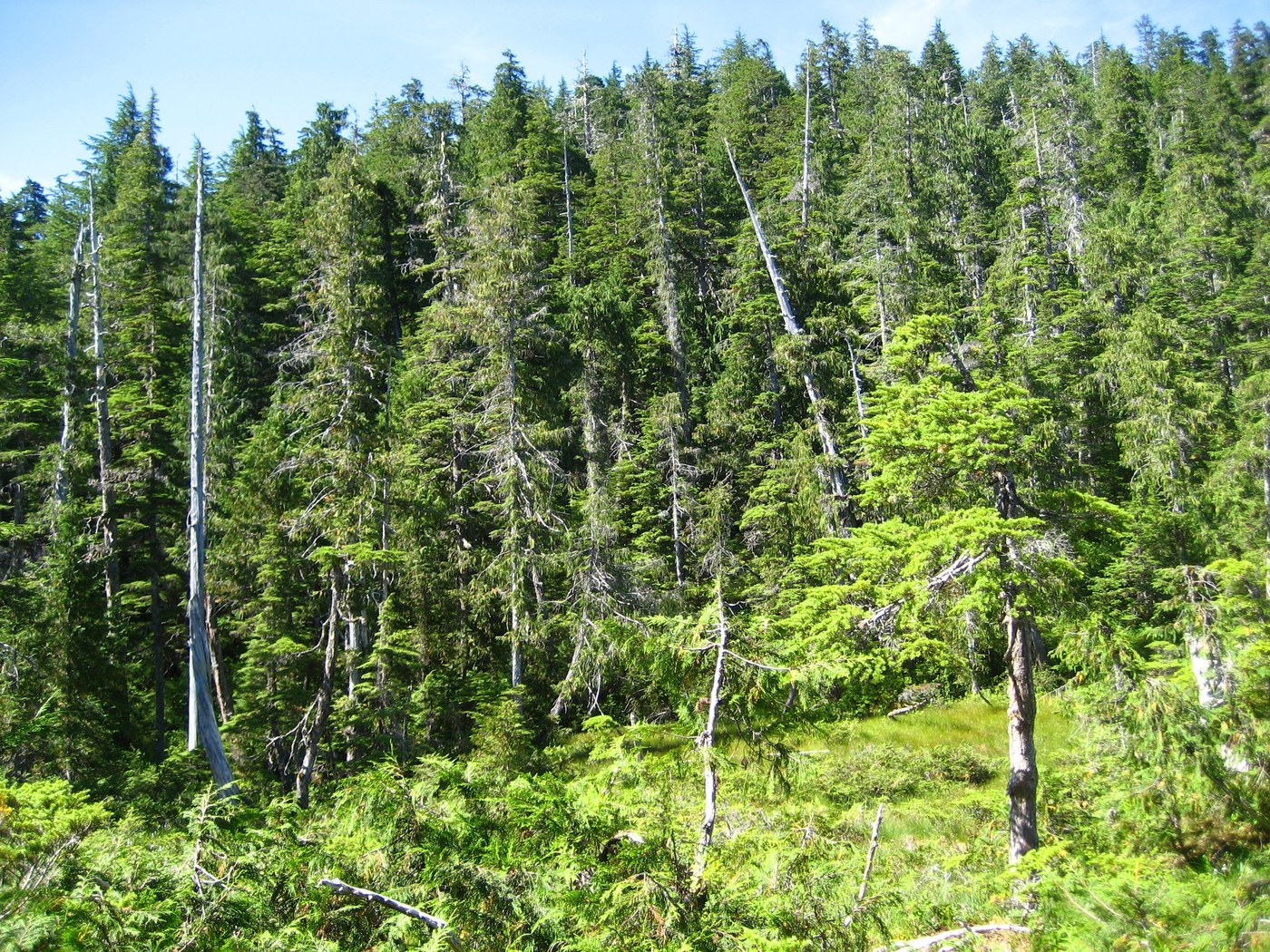
Key Identifying Features
Weeping Nootka Cypress is the popular pendulous cultivar 'Pendula' of Nootka Cypress / Alaska Cedar (Xanthocyparis nootkatensis, formerly Chamaecyparis nootkatensis). It is unmistakable for its strongly weeping habit: foliage hangs in long curtain-like vertical sprays from upswept or arching branches, giving a narrow, dramatic, somewhat shaggy silhouette.
- Pronounced weeping, drooping foliage curtains
- Narrow, upright to pyramidal overall form with sweeping branches
- Dull green to blue-green flattened sprays that hang straight down
- Foliage with an unpleasant, sharp scent when crushed
Leaves & Stems
Leaves are scale-like leaves in opposite pairs forming flattened sprays, but unlike Lawson Cypress these sprays hang limply and the undersides lack bright white X-markings (or show only faint marks). The foliage feels slightly prickly/harsh to the touch because the scale tips spread a little, and crushing it releases a distinctive disagreeable, resinous odor (sometimes likened to raw potato or cat odor) — a strong field clue. Color is matte green to gray-green. On 'Pendula', the branchlets droop in long pendant strings.
Flowers & Fruit
The species bears small yellowish pollen cones and round seed cones about 0.4-0.5 inch across. Notably, Nootka Cypress cones take two years to mature and each scale has a pointed central boss; young cones are fleshy and bluish with a waxy bloom. Cultivated weeping specimens may cone sparsely.
How to Tell It Apart from Look-Alikes
- Weeping Blue Atlas Cedar: a true cedar with needle clusters, not scale foliage — very different up close.
- Lawson Cypress cultivars: flat sprays but with white X-marks beneath and a parsley scent; Nootka lacks clear white marks and smells unpleasant.
- Leyland Cypress 'weeping' forms: coarser, faster, and without the harsh Nootka odor.
- Weeping Norway Spruce: needles on pegs, not scale leaves.
Drooping scale-foliage curtains, harsh prickly texture, and an unpleasant crushed-foliage smell confirm Weeping Nootka Cypress.
Where You'll Find It
The wild species is native to the Pacific Northwest coast from Alaska to Oregon, in cool, moist montane and coastal forests. The weeping cultivar is one of the most widely planted specimen and accent conifers in temperate gardens worldwide, valued for its sculptural, cascading form. It prefers moist, well-drained soil and cool conditions.
Quick ID Checklist
- Strongly weeping, curtain-like hanging foliage
- Narrow upright form with arching branches
- Flat scale sprays WITHOUT bright white X-marks beneath
- Harsh, prickly feel and unpleasant smell when crushed
- Small round two-year cones
Cascading curtains of scale foliage with a harsh feel and unpleasant scent identify Weeping Nootka Cypress.
Frequently asked questions
How is Weeping Nootka Cypress different from Lawson Cypress?
Both have flat scale foliage, but Lawson Cypress shows bright white X-marks beneath and smells of parsley, while Nootka lacks clear white marks, feels prickly, and has an unpleasant crushed-foliage odor. Nootka 'Pendula' also has a dramatic weeping form.
Is it a true cedar?
No. Despite the name Alaska Cedar, it is a cypress relative (Xanthocyparis nootkatensis), not a true cedar (Cedrus). It bears scale leaves and small round cones.
Why does the foliage smell bad?
Crushed Nootka Cypress foliage releases a sharp, disagreeable resinous odor, often compared to raw potato. This smell is a useful identification cue.
Why does this tree have such a drooping shape?
The widely planted 'Pendula' cultivar was selected for its pronounced weeping habit, with foliage hanging in long vertical curtains from sweeping branches.