
How to Care for Wild Columbine
Wild columbine (Aquilegia canadensis) is an easy woodland-edge perennial with nodding red-and-yellow flowers for part shade.
Read the full Wild Columbine encyclopedia entry →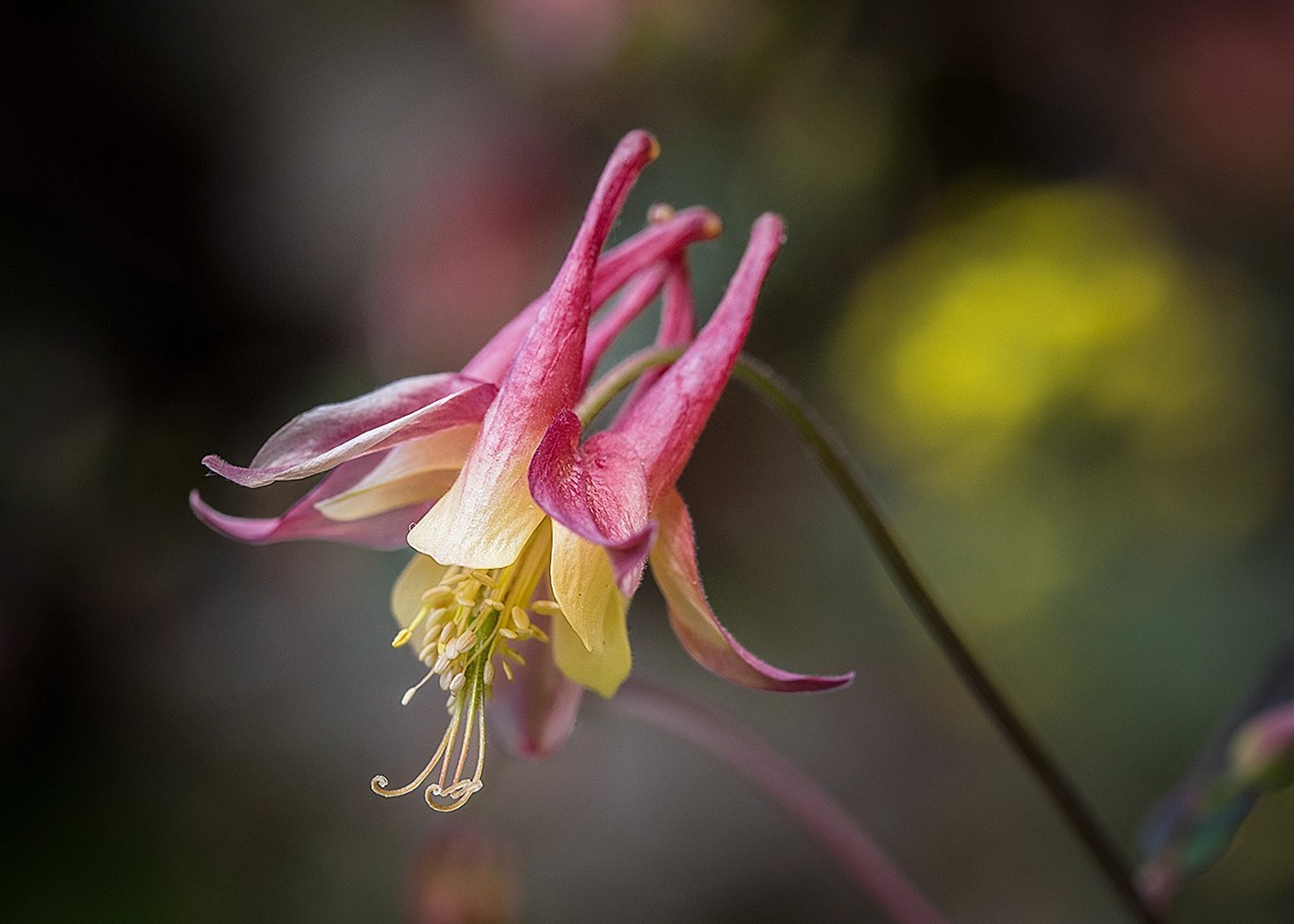
Wild columbine (Aquilegia canadensis) is a graceful native perennial of woodland edges and rocky slopes, prized for its nodding red-and-yellow spurred flowers that draw hummingbirds in spring. It is easy to grow, self-sows freely, and thrives in the dappled light and well-drained soils that mimic its natural habitat.
Light
Wild columbine grows best in part shade to dappled sun, much like the woodland edges it comes from. It tolerates full sun in cooler climates and where soil stays evenly moist, but in hot regions afternoon shade keeps the foliage fresh and extends the bloom. Deep shade reduces flowering and produces floppy, sparse plants.
Water
Provide moderate, even moisture in well-drained soil. Water regularly during the first season to establish the roots, then this columbine becomes fairly drought tolerant, especially in shadier spots. Avoid waterlogged ground, which rots the crown. In its natural rocky habitat it endures lean, quick-draining conditions, so it is better to err slightly dry than soggy.
Soil & Potting
Grow it in well-drained soil of average fertility; it is notably tolerant of rocky, gravelly, and sandy ground and even grows in rock crevices in the wild. Rich, heavy, or constantly wet soil shortens its life. A near-neutral to slightly acidic soil is ideal. If growing in containers, use a free-draining mix and a deep pot to accommodate the taproot.
Humidity & Temperature
This is a hardy temperate perennial that needs cold winters to cycle through dormancy. It has no special humidity needs and handles a wide range of temperatures. It naturally goes dormant or looks tired in the heat of mid to late summer, which is normal.
Feeding
Wild columbine needs little feeding and actually flowers well in lean soils. A light topdressing of compost in spring is usually plenty. Avoid heavy nitrogen fertilizer, which encourages soft, floppy foliage at the expense of flowers.
Propagation
The easiest method is by seed, which it produces and self-sows abundantly. Sow fresh seed in autumn or cold-stratify it before spring sowing, and simply press it onto the soil surface since it needs light to germinate. Because columbines hybridize and resent root disturbance, division is difficult; instead let volunteer seedlings fill in and move them while small if desired.
Repotting / Pruning
Columbine is short-lived but perpetuates itself through self-seeding. After flowering, you can deadhead spent blooms to tidy the plant, but leaving some seed heads allows it to reseed. If the foliage becomes ragged or shows leaf miner damage in summer, cut it back to the base and fresh new leaves often flush out. Divide or transplant only when necessary, as the taproot dislikes disturbance.
Common Problems & Pests
The most common cosmetic issue is leaf miner, which leaves pale winding trails on the leaves; it rarely harms the plant, and cutting back affected foliage produces clean regrowth. Powdery mildew can appear in humid, crowded conditions, so ensure good air circulation. Aphids may cluster on new growth. Crown rot occurs in poorly drained soil, which is the main thing to avoid.
Seasonal Care Tips
In spring, enjoy the peak bloom and let hummingbirds visit; topdress with compost if desired. In early summer, deadhead for tidiness or leave seed heads to self-sow. In mid to late summer, cut back tired or leaf-mined foliage; the plant may rest. In autumn, allow seed to scatter and leave the crown in place. In winter, the plant is fully hardy and needs no special protection.
Frequently asked questions
Why does my wild columbine look ragged by midsummer?
This is normal. Wild columbine often goes semi-dormant in summer heat and can be marred by leaf miners. Simply cut the tired foliage back to the base, and fresh clean leaves usually flush out.
Does wild columbine come back every year?
Individual plants are relatively short-lived, but the species is a prolific self-seeder, so a planting sustains itself by dropping seed and producing volunteer seedlings year after year. Leave some seed heads to keep the colony going.
Can I grow it from seed?
Yes, seed is the easiest method. Sow fresh seed in fall or cold-stratify it before spring sowing, and press it onto the soil surface without covering, since it needs light to germinate.
How much sun does it need?
Part shade to dappled sun is ideal, mimicking its woodland-edge habitat. It tolerates full sun where summers are cool and soil stays moist, but appreciates afternoon shade in hot climates.