How to Care for Wild Garlic
Wild Garlic (Allium vineale) is an easy, vigorous ornamental allium for naturalized plantings, thriving in sun to part shade and moist soil.
Read the full Wild Garlic encyclopedia entry →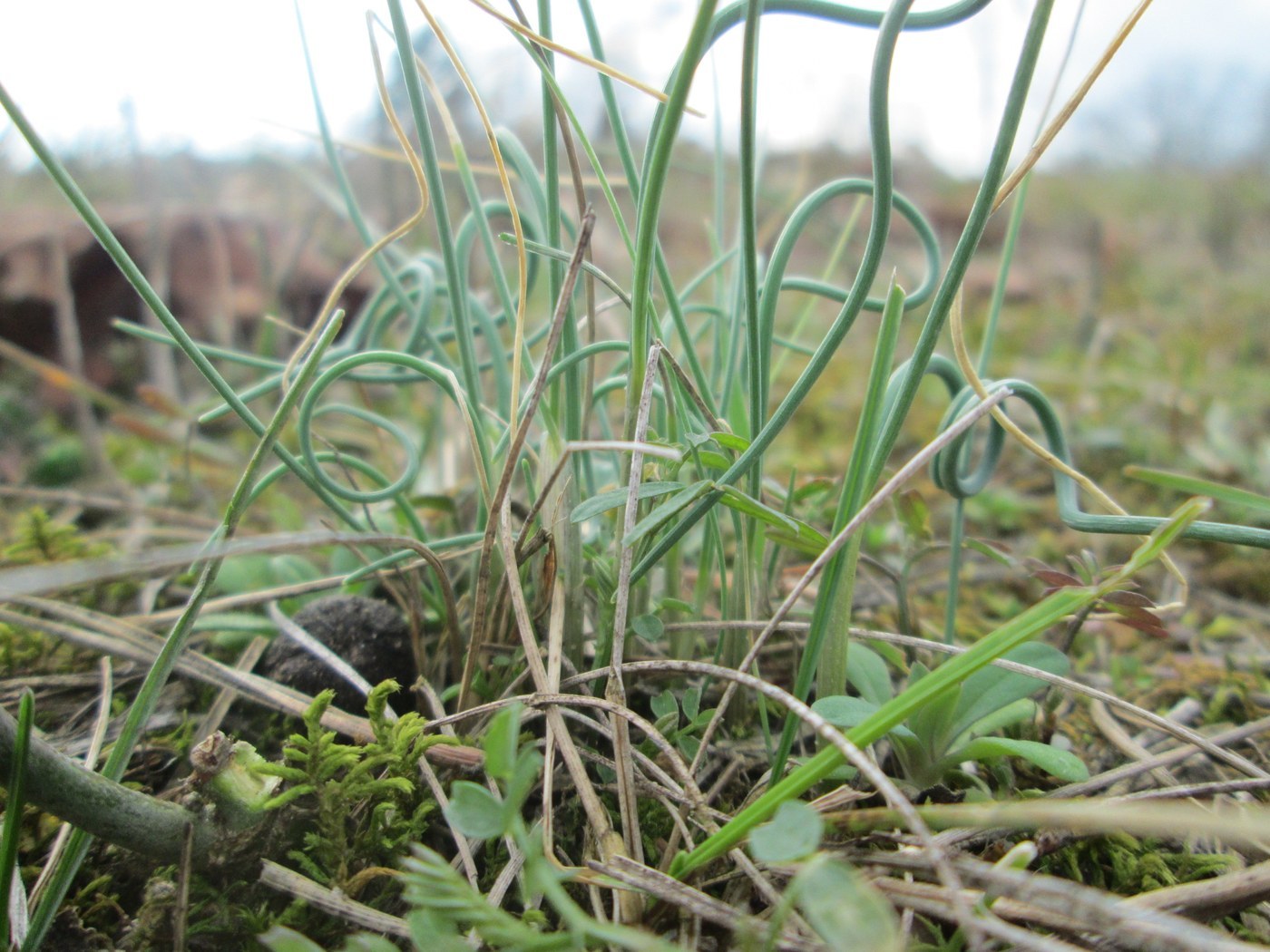
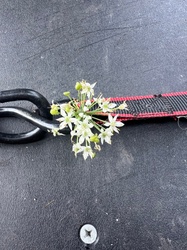
Wild Garlic (Allium vineale) is a hardy, grass-like bulbous perennial grown as a tough ornamental for naturalized beds, meadow plantings, and informal borders. It is exceptionally easy to grow, spreads readily, and forms slender upright clumps of hollow, cylindrical leaves topped by rounded flower heads.
Light
Wild Garlic thrives in full sun to partial shade. The strongest, most upright growth and best flowering come in full sun, but it tolerates dappled shade beneath open trees and along woodland edges without complaint.
Water
This is a tolerant, adaptable plant that thrives in moist soil yet withstands both damp ground and dry spells once established. Keep young plantings watered while they settle in; afterward, natural rainfall usually suffices except in prolonged drought, when occasional watering keeps foliage fresh.
Soil & Potting
It is unfussy about soil and grows in clay, loam, or sandy ground across a wide pH range. It prefers soil that holds some moisture but must not sit in stagnant water. No special amendment is needed; this is a plant that colonizes ordinary and even poor ground with ease. In containers, use a general-purpose potting mix with added grit for drainage.
Humidity & Temperature
Wild Garlic is very cold-hardy and thrives across temperate climates. It requires no special humidity and shrugs off frost. In hot climates the foliage may die back and go dormant during the heat of summer, re-emerging when cooler, moister conditions return.
Feeding
Feeding is rarely necessary. In poor soil, a light application of balanced general fertilizer in spring encourages fuller clumps, but overly rich conditions simply push lush leafy growth. For most gardeners no feeding at all produces perfectly healthy plants.
Propagation
Wild Garlic spreads readily by offset bulbs, by tiny bulbils that form in the flower heads, and by seed. To multiply it deliberately, lift and divide established clumps in autumn and replant the small bulbs. Because it self-propagates aggressively, many growers thin it rather than encourage it.
Repotting / Pruning
Divide crowded clumps every few years in autumn to keep them vigorous and contain their spread. Deadhead the flower heads before the bulbils mature if you want to limit self-seeding. Container plants can be lifted and split when they fill their pot. Trim tired foliage after it yellows.
Common Problems & Pests
Wild Garlic is remarkably trouble-free and largely ignored by pests. Its main drawback is vigor: it can spread quickly and become weedy in beds if left unchecked, so plant it where its enthusiasm is welcome or in a contained area. Bulbs sitting in waterlogged winter soil may rot, so ensure drainage. Onion-family rust or downy mildew occasionally spots leaves in wet seasons.
Seasonal Care Tips
Expect fresh growth from autumn through spring in mild climates, with flowering in early summer. Divide and replant in autumn. Deadhead in summer to control spread. Let clumps go dormant naturally in hot, dry weather and they will return with cooler conditions.
Frequently asked questions
Is Wild Garlic hard to grow?
Not at all. It is one of the easiest ornamental alliums, tolerating a wide range of soils, sun to part shade, and both moist and dry conditions once established.
How do I stop Wild Garlic from spreading too much?
Deadhead the flower heads before the tiny bulbils mature, lift and thin crowded clumps in autumn, and plant it in a contained area where its vigorous spread is welcome.
Why did my Wild Garlic disappear in summer?
In hot, dry climates the foliage naturally dies back and the bulbs go dormant through summer heat, re-sprouting when cooler, moister autumn conditions arrive.
Can I grow Wild Garlic in a pot?
Yes. Use a general-purpose mix with added grit for drainage, keep it in sun to part shade, and divide when the bulbs fill the container.
Wild Garlic identified by the community
Recent Wild Garlic specimens identified with Plant Identifier.