
How to Care for Wild Geranium
Grow Wild Geranium (Geranium maculatum), an easy woodland perennial with lavender-pink flowers for shady borders.
Read the full Wild Geranium encyclopedia entry →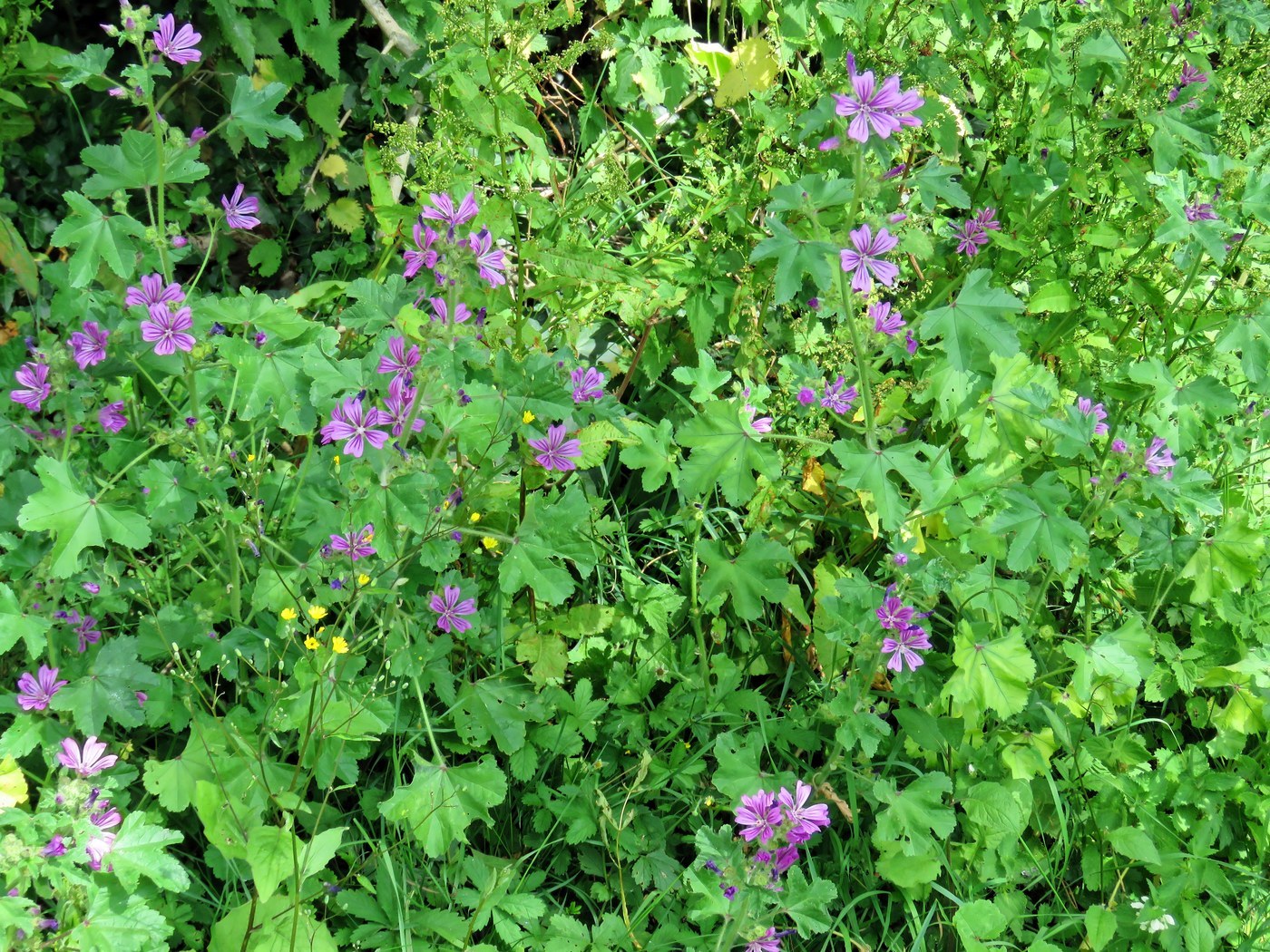
Wild Geranium (Geranium maculatum) is a clump-forming woodland perennial grown for its dainty lavender-pink spring flowers and deeply lobed, attractive foliage. It is an easy, low-fuss native-style plant ideal for shady borders and naturalized plantings.
Light
Grow in part shade. It is happiest with morning sun and afternoon shade or bright dappled light beneath trees. It tolerates fuller sun where the soil stays reliably moist, but hot, dry, sunny sites cause the foliage to scorch and go dormant early.
Water
Water moderately to keep the soil evenly moist, especially during spring bloom and in dry spells. It is not a bog plant, but consistent moisture keeps the foliage fresh through summer. In dry shade it may go semi-dormant, which is harmless.
Soil & Potting
Provide humus-rich, well-drained soil. Woodland conditions with plenty of leaf mold or compost suit it best. It adapts to a range of soils and pH but resents heavy waterlogging. Mulch with leaf litter to mimic its natural forest-floor habitat.
Humidity & Temperature
Cold-hardy and adaptable to temperate climates, tolerating cold winters well. It prefers cool, moist conditions and can struggle in prolonged hot, dry heat. Ambient humidity is not a special concern.
Feeding
Feeding needs are low. An annual spring mulch of compost or leaf mold generally provides enough nutrition. A light application of balanced fertilizer in spring can boost growth in poor soils, but heavy feeding is unnecessary.
Propagation
Propagate by division in early spring or fall, lifting and splitting the clumps. It also self-sows readily from seed in favorable conditions, and seed can be sown after a period of cold stratification.
Repotting / Pruning
Cut back tired or scorched foliage after flowering to encourage a flush of fresh leaves. Deadheading tidies the plant and limits self-seeding if desired. Divide crowded clumps every few years to maintain vigor. It transplants easily while dormant or in cool weather.
Common Problems & Pests
Wild Geranium is largely trouble-free. In damp, crowded conditions it can develop powdery mildew, rust, or leaf spot; improve air flow and thin as needed. Slugs and snails may nibble new growth. Foliage that browns in summer heat is usually drought-driven dormancy rather than disease.
Seasonal Care Tips
In spring, refresh the mulch and enjoy the bloom. In early summer, cut back spent foliage if it looks tired to prompt fresh growth. Through hot spells, keep the soil moist to prevent early dormancy. In autumn, divide crowded clumps and top-dress with leaf mold.
Frequently asked questions
How much sun does Wild Geranium need?
It grows best in part shade, especially morning sun with afternoon shade or bright dappled light. It can take more sun where the soil stays consistently moist.
Why did my Wild Geranium's leaves brown in summer?
In hot, dry conditions it often goes semi-dormant, which browns the foliage. This is harmless. Keep the soil moist to prolong the leaves, or cut back tired growth for a fresh flush.
How do I propagate Wild Geranium?
Divide the clumps in early spring or fall, or let it self-sow. Seed can also be sown after cold stratification.
Does Wild Geranium need much feeding?
No. An annual spring mulch of compost or leaf mold usually provides all the nutrition it needs. Heavy feeding is unnecessary.