
How to Care for Wild Onion
Grow wild onion as an easy ornamental allium: adaptable sun, average moisture, and cheerful naturalizing blooms.
Read the full Wild Onion encyclopedia entry →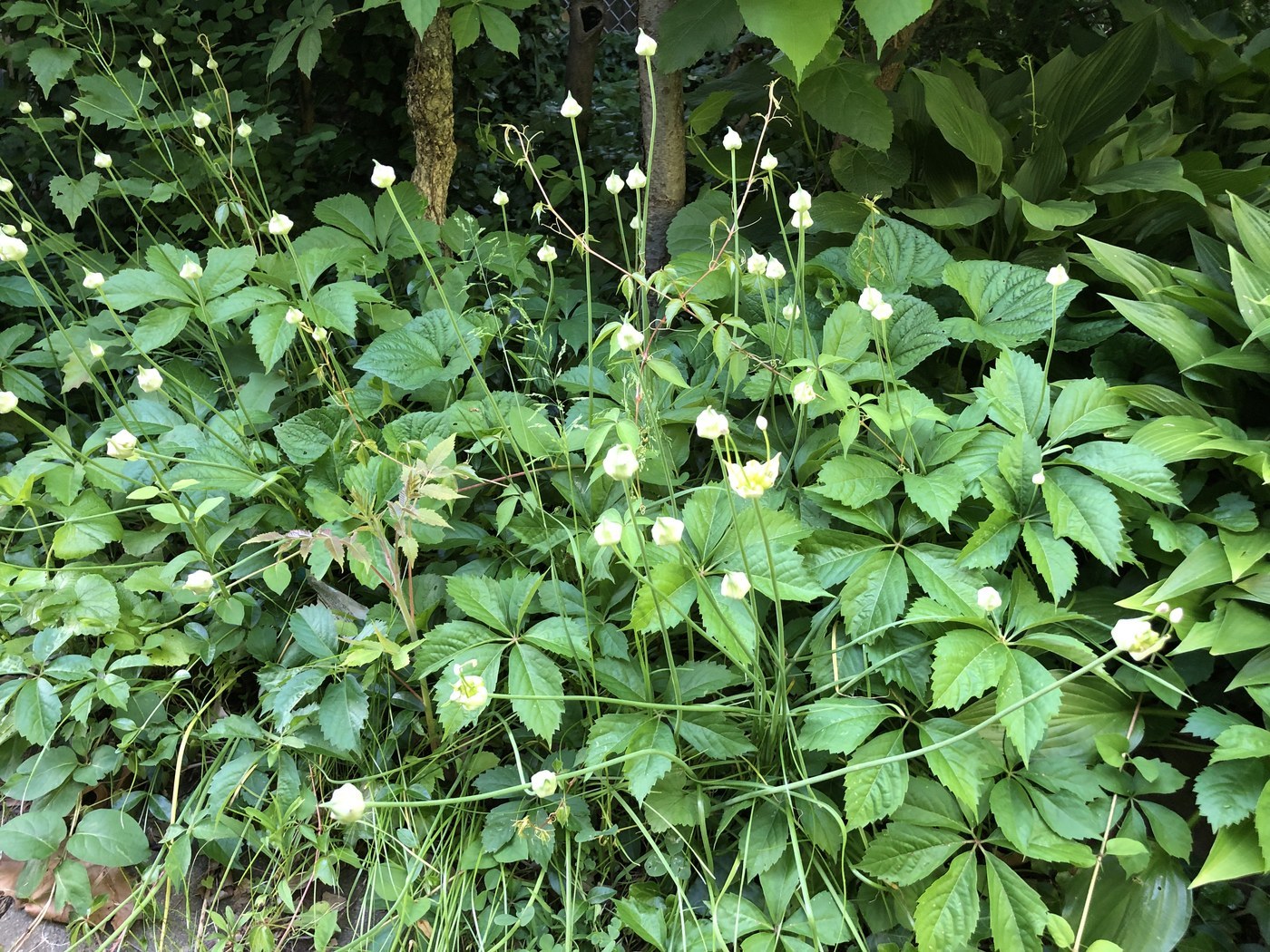
Wild onion (Allium canadense) is a hardy, adaptable native member of the ornamental allium group, grown for its grassy foliage and dainty clusters of pink to white star-shaped flowers. Easy and undemanding, it naturalizes well in meadow gardens and informal borders.
Light
Wild onion is flexible, growing in full sun to partial shade. It flowers most abundantly and stays most compact in full sun, but tolerates light shade with slightly looser growth. For the best display of blooms, choose a bright, open location.
Water
Provide average moisture. This adaptable plant tolerates a range of conditions, from moderately dry to moist soils, and even handles occasional wet spots better than many bulbs. Once established it is fairly drought tolerant, needing supplemental water mainly during prolonged dry weather.
Soil & Potting
Wild onion is unfussy about soil and grows in a wide range from sandy to clay, provided drainage is reasonable. Average garden loam is ideal. It naturalizes readily and is not demanding about fertility, thriving in ordinary, unimproved ground.
Humidity & Temperature
As a widespread native, wild onion is cold-hardy and adaptable to a broad range of temperate climates. It needs no special humidity care in the garden. It tolerates both summer heat and winter cold well, going dormant and returning reliably each year.
Feeding
Wild onion needs little feeding and thrives on lean soils. A light top-dressing of compost in spring is more than enough. Avoid heavy fertilization, which encourages floppy leaf growth at the expense of flowers and can promote aggressive spreading.
Propagation
It propagates readily from the small offset bulbs that form around the base, and from bulbils that develop in the flower heads. Divide clumps in fall or early spring and replant the bulbs a couple of inches deep. It self-sows and multiplies freely, so plant where spread is welcome.
Repotting / Pruning
In the garden, lift and divide crowded clumps every few years to keep them vigorous. Deadhead spent flower heads before bulbils scatter if you want to limit its enthusiastic self-seeding. Let foliage die back naturally after flowering so the bulbs can recharge.
Common Problems & Pests
Wild onion is remarkably trouble-free and largely ignored by pests. Its main drawback is vigorous spreading, as it can naturalize aggressively through bulbils and seed. Onion thrips or fungal leaf spots occasionally appear but rarely cause serious harm in an ornamental setting.
Seasonal Care Tips
Expect fresh grassy growth in spring followed by early-summer blooms. Deadhead after flowering to control self-seeding, and allow foliage to yellow and die back naturally. Divide overcrowded clumps in fall, and enjoy its reliable return each spring with minimal intervention.
Frequently asked questions
Does wild onion need full sun?
It grows in full sun to partial shade, but full sun gives the most abundant flowers and the most compact, upright growth.
How do I keep wild onion from spreading too much?
Deadhead the flower heads before the bulbils scatter, and divide or thin clumps periodically. Plant it where some naturalizing is welcome, since it multiplies freely.
How is wild onion propagated?
It multiplies from offset bulbs at the base and from bulbils in the flower heads. Divide clumps in fall or early spring and replant the bulbs a couple of inches deep.
Is wild onion hard to grow?
No, it is very easy and adaptable. It tolerates varied soils and moisture, needs little feeding, is largely pest-free, and returns reliably each year.