
Wild Onion Identification Guide
Identify wild onion by its flat, solid, onion-scented leaves and clusters of star-shaped flowers. Includes how to separate it from wild garlic and grassy look-alikes.
Read the full Wild Onion encyclopedia entry →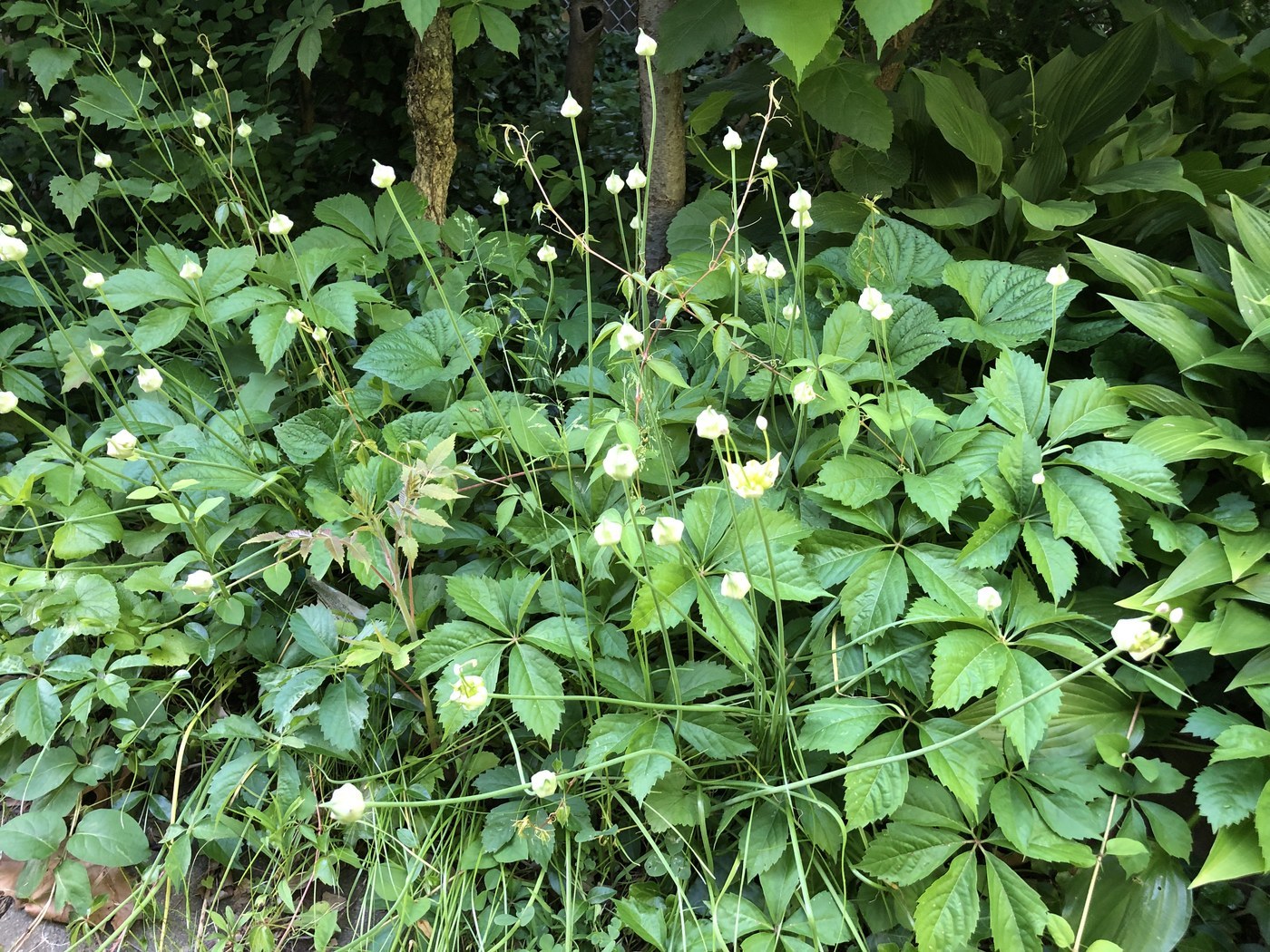
Key Identifying Features
Wild onion (Allium canadense and related species) is a native North American perennial that grows from an underground bulb and gives off a clear onion smell when crushed. The defining contrast with wild garlic is its leaf shape: wild onion has flat, solid leaves, not the hollow round tubes of wild garlic. As with all members of the genus Allium, the onion odor is the non-negotiable confirmation that you have the right plant.
- Distinct onion smell when any part is crushed
- Flat, solid, grass-like leaves (not hollow)
- Grows from a small bulb wrapped in a fibrous or membranous coat
- Clusters of small star-shaped pink-to-white flowers in late spring/summer
Leaves & Stems
The leaves are long, narrow, and flat in cross-section — if you press a leaf flat between your fingers it stays solid rather than collapsing like a tube. They are usually a soft green, arising mostly from the base of the plant. A single smooth flowering stem rises from the center. This flat-leaf trait is the quickest field separator from wild garlic.
Flowers & Fruit
In late spring and summer, wild onion produces an umbel — a rounded cluster of small, six-petaled, star-shaped flowers ranging from white to pale pink. Allium canadense often mixes flowers with small aerial bulblets in the same head, while some species produce flowers alone. After flowering, small dry seed capsules form. The flower cluster sits atop a leafless stalk and is surrounded by a thin papery sheath when young.
How to Tell It Apart from Look-Alikes
- Wild garlic (Allium vineale): Has hollow, round leaves and usually a dense head of bulbils with tails. Wild onion's leaves are flat and solid.
- Grasses: No onion smell, and leaves have a distinct midrib and ligule. The crush test ends the debate.
- Star-of-Bethlehem and Death Camas: Superficially similar grassy leaves but no onion odor. Never rely on looks alone — do the smell test first.
Where You'll Find It
Wild onion grows in meadows, open woods, prairies, lawns, roadsides, and disturbed ground throughout much of eastern and central North America. It tolerates a range of soils and often appears in clumps in lawns where it greens up early in the season.
Quick ID Checklist
- Clear onion smell when crushed
- Leaves flat and solid, not hollow
- Grows from a small bulb
- Umbel of star-shaped pink/white flowers (sometimes with bulblets)
- Single smooth, leafless flowering stalk
Meeting all five points confirms wild onion. No onion smell means it is a different plant entirely.
Frequently asked questions
How do I tell wild onion from wild garlic?
Check the leaves. Wild onion has flat, solid leaves, while wild garlic has hollow, round, tube-like leaves. Both smell of onion, but wild garlic usually forms a tight cluster of tailed bulbils at the top of its stalk.
How do I recognize wild onion's leaves?
They are long, narrow, and flat in cross-section, staying solid when pressed rather than collapsing like a tube, and they arise mostly from the base of the plant.
What do the flowers look like?
Wild onion produces a rounded cluster (umbel) of small, six-petaled, star-shaped flowers that are white to pale pink, blooming in late spring and summer. Some plants also produce tiny aerial bulblets mixed in with the flowers.
Why does wild onion keep coming back in my lawn?
It is a perennial that regrows each year from underground bulbs and bulblets. Mowing alone does not kill it because the bulbs survive below the soil surface and resprout.