
How to Care for Wishbone Flower
Grow lush Wishbone Flower (Torenia fournieri) with shade-loving color all season: light, watering, feeding and pinching tips.
Read the full Wishbone Flower encyclopedia entry →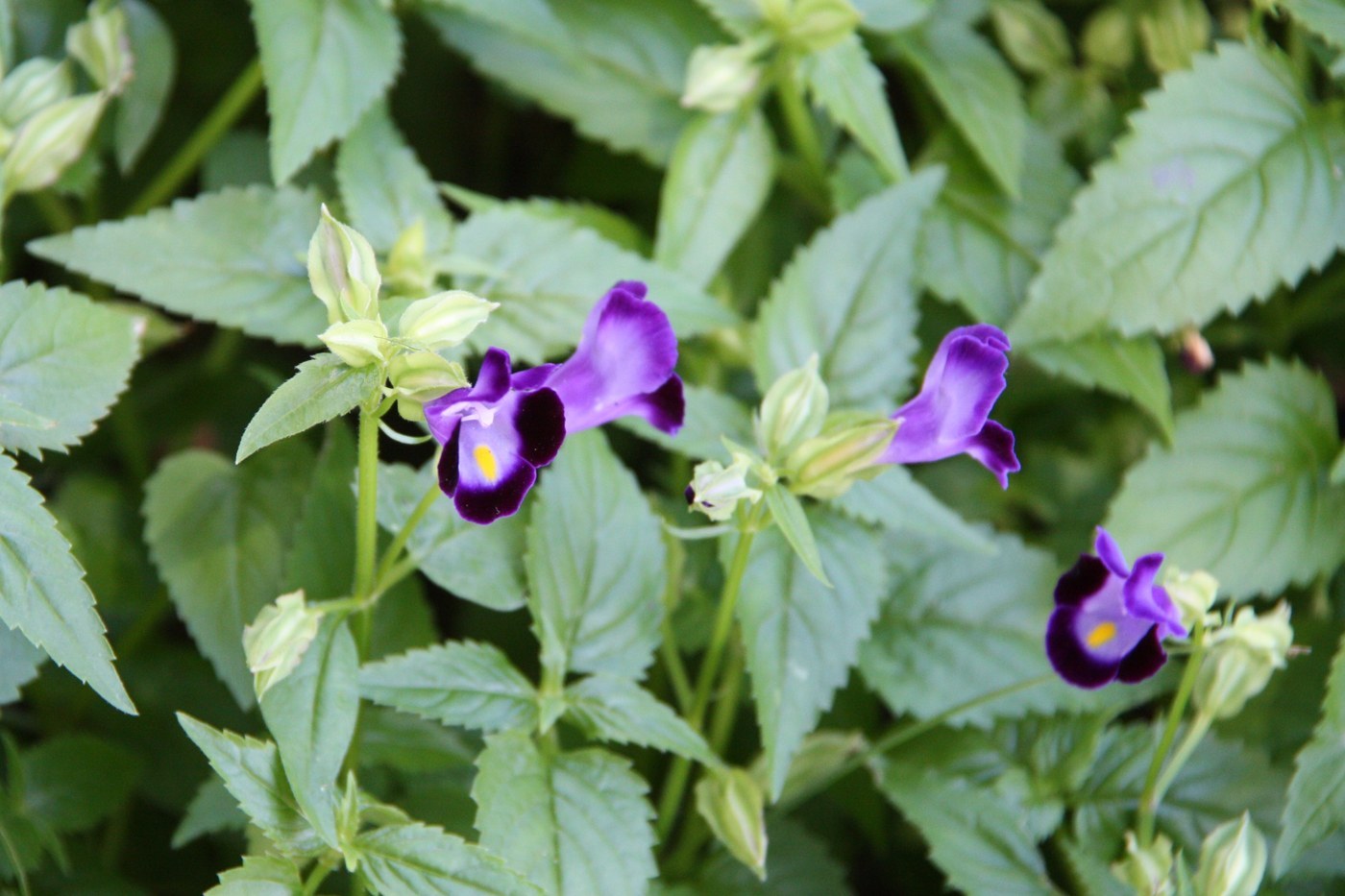
Wishbone Flower (Torenia fournieri) is a cheerful, mounding annual prized for its snapdragon-like blooms marked with a tiny stamen "wishbone" inside each throat. It is one of the few reliably colorful annuals for shade, making it an easy, rewarding grower for beds, borders and containers.
Light
Unlike most flowering annuals, Torenia performs best in part shade to shade. Give it morning sun with protection from harsh afternoon rays, or bright dappled light all day. In cool climates it tolerates more sun as long as the soil stays moist, but hot direct sun will scorch foliage and shorten bloom.
Water
Keep the soil evenly moist at all times — this is a plant that resents drying out. Water whenever the top inch of soil begins to feel dry, and never let container-grown plants wilt, as they recover slowly. Consistent moisture is the single biggest factor in a long, heavy bloom season.
Soil & Potting
Use a rich, well-drained soil high in organic matter. In beds, work in compost before planting; in pots, a quality peat- or coir-based potting mix holds the steady moisture Torenia craves. Ensure containers have drainage holes so roots stay damp but never waterlogged.
Humidity & Temperature
Torenia loves warmth and humidity, thriving in the 60–80°F (16–27°C) range. It is a tender annual with no frost tolerance, so plant out only after all danger of frost has passed. Ambient garden humidity is usually plenty; container plants appreciate not being placed in dry, windy spots.
Feeding
Because it blooms continuously, Wishbone Flower is a moderate feeder. Mix a slow-release fertilizer into the soil at planting, then supplement container plants with a balanced liquid feed every two to three weeks through the growing season to keep foliage green and flowers coming.
Propagation
Grow easily from seed started indoors 8–10 weeks before the last frost; press the tiny seeds onto the surface as they need light to germinate. Stem cuttings also root readily in moist mix, a quick way to bulk up favorite plants or overwinter them indoors.
Repotting / Pruning
As an annual, Torenia rarely needs repotting within a season — just start in an appropriately sized container. Pinch young plants once or twice to encourage branching, and lightly shear if growth gets leggy in midsummer to spark a fresh flush of blooms. It is largely self-cleaning, so deadheading is optional.
Common Problems & Pests
Root rot and stem collapse follow soggy, poorly drained soil, so balance constant moisture with good drainage. Powdery mildew and botrytis can appear in stagnant, overly humid air — space plants for airflow. Watch for aphids and whiteflies on tender new growth, rinsing them off or treating with insecticidal soap.
Seasonal Care Tips
Set out plants after frost and they will bloom from early summer to first frost. In peak heat, mulch beds to conserve moisture and consider a light midseason trim. Torenia is grown as an annual in most climates; in frost-free regions it may persist, but it is easiest simply replaced each spring.
Frequently asked questions
Why is my Wishbone Flower not blooming well?
The most common cause is too much sun or dry soil. Move it to part shade, keep the soil evenly moist, and feed lightly — stressed plants slow their bloom.
Can I grow Wishbone Flower in full shade?
Yes, it is one of the best annuals for shade. It flowers best in bright, dappled shade or morning sun; deep, dark shade will reduce blooming somewhat but plants still perform.
Does Wishbone Flower come back every year?
It is a tender annual and dies with frost in most climates. It can self-sow or persist in frost-free areas, but gardeners typically replant it each spring.
Should I deadhead Wishbone Flower?
It is largely self-cleaning, so deadheading isn't required. A light shearing in midsummer, however, tidies leggy plants and encourages a fresh flush of flowers.